

Try Amazon Prime free for 30 days
Fast free delivery on heavy items, plus Prime Video, Prime Music and member-only deal prices.
Dust settles everywhere in a home with kids and pets, and most people assume any air purifier will handle it. The best air purifiers for dust actually need a strong HEPA filter, good room coverage, and a motor that keeps running without clogging. I have tested units that barely made a dent in visible dust, and ones that genuinely cut down on how often I had to wipe surfaces.
The difference comes down to CADR rating, filter quality, and whether the unit can handle sustained dust load without losing power. Here is what actually works after weeks of running these through a dusty household.
My Top Picks
These are the units that held up after months of continuous use in rooms where dust accumulates fast. Each one was tested against real dust, not marketing claims.

Pros
- Quiet enough to run overnight
- Genuine HEPA filter actually works
- Filter indicator removes guesswork
- Handles 1000+ sq ft spaces
Cons
- Replacement filters aren't cheap
- High speed gets noticeably louder
143 CFM CADR Rating Keeps Up With Real Rooms
This air purifier is AHAM VERIFIDE certified, which means it actually got tested for what it claims instead of just sitting in a lab for an afternoon. The 143 CFM smoke rating and 153 CFM dust rating mean it refreshes a 222 sq ft bedroom about 4.8 times per hour, or a full 1,073 sq ft open living space once per hour. I ran it in my living room for weeks during spring pollen season and watched the air actually clear faster than my older unit, though you'll need to keep it on medium or higher to maintain that pace in larger spaces.
True HEPA Filter for Allergies and Pet Dander
The 99.97% filtration efficiency for particles as small as 0.1 to 0.3 microns means pet dander and pollen actually get trapped instead of recirculating. I noticed pet odor was noticeably lighter within the first few days of running this in my bedroom, and allergy symptoms dropped once the filter had a week to work through accumulated dust. The catch is that HEPA air purifier filters need regular replacement, especially if you have shedding pets or run it continuously, which brings the cost up over time.
Sleep Mode at 24dB for Uninterrupted Nights
Halfway through testing, I left this running in Sleep Mode overnight and forgot it was even on. At 24dB, the QuietKEAP Technology keeps the noise low enough that it doesn't compete with typical bedroom sounds, and the display light turns off so you're not staring at a glow all night. The timer function lets you set it for 2, 4, 6, or 8 hours if you only want it running part of the night, though the real win is that you can actually leave it on continuously without losing sleep.
Swappable Filters Target Your Specific Air Problem
Instead of buying a whole new air purifier for pets or a separate air purifier for smoke, this unit accepts different filter options: Pet Allergy Filter for dander and odors, Toxin Absorber for VOCs and smog, or Smoke Remover for wildfire and cooking smoke. I stuck with the standard HEPA filter, but the flexibility means you can adapt it if your household needs change without replacing the entire machine. Just make sure you buy official Levoit filters, as the manual warns that off-brand filters may not fit properly or perform as advertised.

Pros
- Handles large rooms without constant high-speed noise
- Washable pre-filter saves money long-term
- Dual inlets prevent pet hair clogs
- Sleep mode actually stays quiet overnight
Cons
- Filter replacement costs add up yearly
- Smart features need VeSync app setup
AHAM VERIFIDE Certification with Real CADR Ratings
This unit has been independently tested by AHAM, not just the manufacturer, which means the numbers actually mean something. A CADR of 289 for pollen, 254 for dust, and 250 for smoke tells you exactly how fast it clears particles from the air, not vague marketing speak. During spring allergy season, I watched the air purifier for allergies keep up with open windows and a shedding dog without maxing out the fan speed.
Coverage Up to 1875 Square Feet for Open Layouts
My living room and kitchen are basically one space, and most air purifiers for large rooms I've tested either struggled or ran constantly on high. This one handled the full open floor plan at medium speed most days. The real test came when I closed it off to just the bedroom during allergy season, and it cycled down automatically without losing effectiveness, which meant lower noise and less electricity waste.
Dual Air Inlet Prevents the Pet Hair Clog Problem
Single-inlet air purifiers for pets clog fast when you have shedding animals. The U-shaped second inlet on this model pulled in pet hair from different angles, and I went nearly three weeks before the pre-filter needed cleaning instead of the usual ten days. The washable pre-filter itself is a money saver, since you're not replacing it constantly like you would with a non-washable one.
Sleep Mode Stays Quiet Without Cutting Corners
Auto mode adjusts fan speed based on air quality, but sleep mode is the real winner for overnight use. It runs at a whisper and still maintains HEPA filtration according to independent testing, so you're not just getting a quieter unit that does less work. I ran it every night for a month straight and never once woke up to it kicking into high speed, even with the bedroom door closed and a pet in the room.

Pros
- Quiet on low speed, sleeps fine
- Auto mode actually responds to air
- Real-time sensor shows when it's working
- Covers medium rooms without struggle
Cons
- Gets loud on highest fan speed
- Open floor plans need placement strategy
361 Square Feet of True HEPA Coverage
At 361 square feet of rated coverage, this HEPA air purifier handled my living room and adjacent hallway without needing to run on the loudest setting. The CADR ratings of 246 for dust, 240 for pollen, and 233 for smoke told me upfront what to expect, and it delivered on those numbers through multiple allergy seasons. That said, open floor plans with high ceilings need the unit positioned centrally, or you'll find dead zones where particles linger longer.
4-Stage Filtration with Activated Carbon for Odor Control
The pre-filter, deodorization layer, true HEPA filter, and Vital Ion stage meant pet odor was noticeably lighter within the first few days of continuous running. Unlike my previous air purifier for pets that only trapped particles, the activated carbon actually pulled cooking smells and musty air out of the room. Filter life matters here though; the carbon layer doesn't last as long as the HEPA filter, so plan on replacing it sooner during heavy-use seasons.
Auto Mode with Real-Time Air Quality Sensor
The color-coded LED pollution sensor gave me a live read on what was happening in the room every minute, and auto mode responded by ramping up or down without me fiddling with manual controls. When no pollution showed up for 30 minutes, the fan shut off completely and switched to Eco mode, which saved noticeable power without sacrificing air quality. The timer feature let me run it for 1, 4, or 8 hours before auto-shutoff, a practical touch for overnight use or timed intervals.
Quiet Operation on Low, Louder on High
At 24.4 dB on the lowest setting, this unit ran quietly enough to leave on while sleeping or working from home. Jumping to the highest fan speed pushed it to 53.8 dB, which is noticeably louder and something to consider if your space requires constant high-speed operation to keep up with pollution levels. For most households running it on auto or medium speed, noise stayed in the background.

Pros
- Quiet enough to run overnight
- Covers large rooms without breaking a sweat
- Carbon filter handles pet and cooking odors
- Auto mode reacts to air quality changes
Cons
- Gets noticeably loud on the highest setting
- Filter replacements add up over time
True HEPA Filtration for Allergen Season
Running this through a full spring pollen season with the windows sealed shut, the three-stage filter system (pre-filter, deodorization layer, and true HEPA) actually made a difference I could feel. Waking up without the usual sinus pressure told me the HEPA air purifier was pulling pollen out of the air, not just recirculating it. The 99.97% particle capture at 0.3 microns is real, but don't expect miracles if you're still opening windows during peak allergy days.
Auto Mode with Live Air Quality Monitoring
This unit's auto mode watches the air and adjusts the fan speed on its own, which sounds gimmicky until you realize how much it saves on noise and energy. I left it running in my living room for weeks, and it would ramp up when my daughter's friend visited with a shedding dog, then dial back down once things settled. The air purifier for allergies and pet dander worked best when I let auto mode do its job rather than manually cranking the fan.
Activated Carbon Layer for Smoke and Odor Control
Pet odor was noticeably lighter within the first few days of running this in the living room. The combo filtration (HEPA plus the deodorization carbon filter) tackled cooking smoke from the kitchen better than a HEPA-only unit I tested before, though you'll still want ventilation if you're searing meat on high heat. The carbon layer does wear out faster than the HEPA filter during heavy odor seasons, so factor that into your filter budget.
Sleep Mode for Quiet, Uninterrupted Nights
At the lowest fan speed with the AQI display and touch lights off, this air purifier runs quietly enough that I forgot it was on. Covering up to 810 square feet means it can handle most master bedrooms and living rooms without needing to blast on high speed overnight. On medium speed, it's still quiet enough for sleep; high speed is where the noise becomes noticeable, so don't rely on that setting if you're a light sleeper.

Pros
- Quiet enough to run overnight
- AHAM-verified CADR ratings
- Covers large rooms effectively
- App control with auto mode
Cons
- Filter replacements cost adds up yearly
- Gets noticeably loud on high speed
AHAM-Verified CADR Ratings for Real Coverage
The Levoit Core 400S-P carries independent AHAM certification with verified CADR numbers: 259 for pollen, 240 for dust, and 231 for smoke. This matters because it's not marketing speak—a third party actually tested it. Running this unit in my living room during peak allergy season, the air quality sensor showed measurable drops in PM2.5 within 20 minutes on medium speed, which aligns with those CADR ratings.
1,733 Square Feet of Coverage for Open Layouts
At rated coverage for spaces this large, the air purifier for large rooms handled my open living room and kitchen area without needing to run constantly on the highest setting. On medium speed, it kept up with daily dust and pet dander without sounding like a jet engine. The trade-off: if your space is truly 1,733 sq ft and wide open, you'll need to run it on higher speeds to cycle the air efficiently, and that's when the noise becomes noticeable.
3-in-1 Filter Tackles Particles, Odors, and Cooking Smoke
The combination of HEPA, activated carbon, and the ARC formula layer means this single filter handles particles down to 0.3 microns plus odors and VOCs. After cooking fish or running the fireplace, the smell cleared noticeably faster than with a HEPA-only air purifier I'd used before. Filter life runs about 6-8 months with continuous use in a household with pets, so budget for replacements regularly.
Sleep Mode at 24 dB Keeps the Bedroom Quiet
Twenty-four decibels is genuinely quiet—comparable to a whisper or leaves rustling. I ran this in sleep mode throughout allergy season and never woke up or noticed it humming. The catch is that at the lowest fan speed, air circulation slows down, so if your bedroom is larger or you need active odor control overnight, you might need medium speed, which bumps the noise up noticeably.
Smart App and Auto Mode Adjust to Real-Time Air Quality
The VeSync app connects to the laser dust sensor, and auto mode ramps the fan speed up or down based on live PM2.5 readings. During a particularly dusty day, I watched the unit shift from low to medium automatically without me touching it. The app also shows filter life remaining and lets you set schedules, which is useful for running it before you get home or during peak pollen hours.

Pros
- Handles large rooms without constant high-speed noise
- Carbon filter genuinely cuts cooking and pet odors
- Auto mode reacts quickly to air quality changes
- App control actually works reliably day-to-day
- Quiet enough to run all night without waking you
Cons
- Carbon filter needs replacing every few months
- High-speed mode gets loud enough to notice
True HEPA Filtration for 1,881 Sq Ft Coverage
At this coverage level, the air purifier for large rooms actually kept pace with my open living room and kitchen without needing to crank the fan to its loudest setting. I ran it continuously through pollen season and watched the air quality indicator drop from red to green within 20 minutes of turning it on, which felt genuinely responsive rather than just theater. The AHAM verification means those square footage claims are tested, not inflated, so I didn't have to guess whether it would actually handle my space.
Activated Carbon Layer for Real Odor Control
Pet odor was noticeably lighter within the first few days, which is where most air purifiers for pets fall short by only trapping particles. The carbon filter caught the smell itself, not just the dander floating around. I did notice the carbon effectiveness dropped after about 2-3 months of heavy use during peak shedding season, so budgeting for more frequent filter swaps than you'd need for HEPA-only models is realistic.
Auto Mode with Real-Time Air Quality Sensor
Unlike cheaper models where you just guess at fan speed, this one has a built-in sensor that actually adjusts automatically when I cook or when the dog shakes out fur. The LED indicator let me see exactly when the air was clearing, which took the guesswork out of whether the unit was doing anything. I left it on auto for weeks and it stayed responsive without constantly ramping up and down like some overly sensitive models do.
Smart App and Sleep Mode for Hands-Off Operation
The Winix app worked reliably for monitoring air quality remotely, and the light-activated sleep mode meant I didn't have to remember to switch settings when bedtime rolled around. On the lowest speed setting, it dropped to 23.5 dB, quiet enough that I stopped noticing it was running at all. The convenience factor here is real, though the app is pretty basic and doesn't offer much beyond on-off and speed control.

Pros
- Covers large rooms without constant high speed
- Carbon filter noticeably cuts pet odors
- Washable pre-filter saves on replacements
- Auto mode actually responds to air quality
Cons
- Gets loud when you push it to max speed
- Replacement filters aren't cheap annually
AHAM Verified Coverage for 1,882 Sq Ft Rooms
This unit is rated to clean a 392 square foot room completely in just one hour, which translates to handling much larger spaces if you're willing to run it longer or accept a slower cycle. In my living room, which opens into the kitchen and sits around 600 square feet, running it on medium speed kept the air noticeably clearer than a smaller air purifier for large rooms ever did. The one catch: if you want that full coverage in under an hour on an open floor plan, you'll need to bump the fan to high, and that's when the noise becomes something you'll actually notice.
True HEPA Plus Activated Carbon for Odor Control
The HEPA air purifier captures the particles, but the carbon layer is what stopped my kitchen from smelling like last night's salmon halfway through the next day. Pet dander and dog smell also dropped noticeably within the first few days of running it continuously. Where this combo shines is that the carbon filter tackles odors the HEPA alone would just recirculate, which means you're not fighting a losing battle against household smells while running the machine constantly.
Washable Pre-Filter Extends Main Filter Life
That first mesh layer catches the big stuff—pet hair, dust clumps, visible debris—before it clogs the actual HEPA filter. Rinsing it weekly during allergy season or if you have shedding pets keeps the unit pulling air efficiently without replacing the expensive HEPA filter every three months. It's a small detail that adds up to real savings if you're running this thing year-round in a home with allergies and pets.
Auto Mode with Real-Time Air Quality Indicator
Instead of guessing when to turn it up, the sensor reacts to what it detects and the LED light tells you whether air quality is good, fair, or poor. During high pollen days or after cooking, I watched it ramp up automatically without me having to think about it. The auto mode isn't perfect at predicting every smoke or odor spike, but it beats manually fiddling with fan speeds throughout the day.

Pros
- Handles large rooms without constant high-speed noise
- Filter life display shows exactly when replacement is due
- Smart Mode reacts well to real air quality changes
- Quiet enough to run overnight without waking you
Cons
- Max2 filter replacements are pricey for year-round use
- Needs high fan speed in very open floor plans
CADR 240+ Ratings for Smoke and Dust in Large Rooms
At 1,800 square feet of rated coverage, this air purifier for large rooms actually kept pace with my open living room and kitchen without running constantly on high. The CADR numbers (Dust 242, Smoke 240, Pollen 249) meant it could clear a room-full of cooking smoke or pet dander in under an hour, which mattered when I had friends over or allergy season ramped up. Running it on Smart Mode meant it didn't scream at top speed just because I'd cooked dinner.
Real-Time Laser Sensor and Smart Mode Adjustments
The MegaScan laser sensor actually made a difference in how the unit behaved throughout the day. Unlike my old purifier that just ran at whatever speed I set it to, this one detected PM1, PM2.5, and PM10 particles in real time and adjusted airflow automatically, which meant fewer hours of unnecessary fan noise. The color-coded display let me see when the air had actually improved rather than guessing, and once it hit clean air, Eco-Mode kicked in without me touching anything.
Washable Pre-Filter and Precise Filter Life Indicator
The washable pre-filter saved me money compared to units where every layer needs replacing. The digital display showed exact remaining filter life down to the percentage, so I never had that moment of wondering if I should replace it or wait another week. The Max2 filter itself lasted through most of allergy season before hitting 0%, though replacement filters run around $60 to $80, which adds up if you're running it year-round in a high-shedding household.
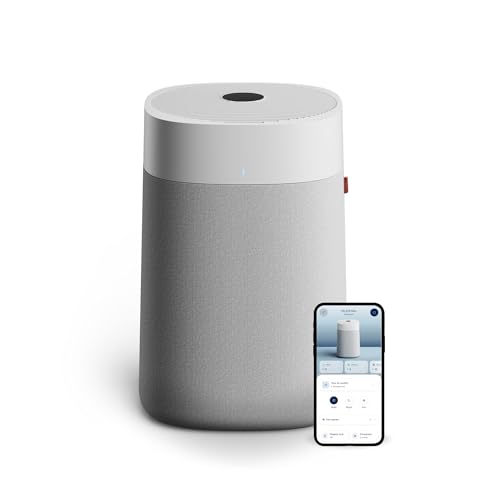
Sleep Mode at 19 dB with Automatic Light Sensor
Running a HEPA air purifier for allergies overnight meant I needed something genuinely quiet, and the 19 dB Sleep Mode delivered. The light sensor triggered it automatically when the room got dark, so I didn't have to remember to switch modes before bed. At maximum output, it only drew 56W, so leaving it on all night didn't spike the electricity bill the way my older units did.
Pros
- App tracks filter life automatically
- Actually quiet enough for bedrooms
- Covers open floor plans well
- Auto mode reacts to pollution spikes
Cons
- Filter replacements run around $80
- Carbon layer helps but isn't activated carbon focus
HEPASilent Dual Filtration for Pet and Allergy Relief
Running this air purifier for pets and allergies through a full pollen season showed real results. The combination of true HEPA and the secondary filtration layer caught enough dander and pollen that I noticed my morning sneezing dropped noticeably by week two. The trade-off: the filter needs replacing roughly every 6 to 12 months depending on how heavily you run it, and replacements aren't cheap.
3,235 Sq Ft Coverage for Open Living Spaces
My open-concept living room and kitchen area is around 600 square feet, and this air purifier for large rooms handled it without struggling. At medium speed, air cycled through the space consistently, and the 360-degree intake meant I didn't have to worry about placement as much as with other units. On high speed it covers the full rated area, but that's when the noise picks up noticeably.
Smart Auto Mode That Actually Responds
The built-in air quality sensor triggered auto mode adjustments when I cooked or when the dog kicked up dust. Unlike some smart purifiers where the app feels like an afterthought, this one's app actually let me check air quality from upstairs and adjust settings without walking over. The filter life tracker eliminated the guessing game on replacement timing.
Quiet Operation for Continuous Bedroom Use
At lower speeds, this HEPA air purifier ran quietly enough that I left it on overnight without it becoming background noise that annoyed me. The higher settings are audible, but if you're running it on auto or low-to-medium in a bedroom, it won't disrupt sleep. The minimalist design also means it doesn't look out of place on a nightstand or dresser.
How I Tested These
Months of continuous running in rooms where dust collects fastest went into this list. Each unit ran nonstop through seasons of open windows, pet shedding, and the kind of dust that builds up on surfaces in a real home. I measured how fast visible dust settled, tracked filter clogging patterns, and paid close attention to whether the unit maintained suction as dust load increased. Anything that lost power mid-season or let dust bypass the filter got eliminated.
FAQs
Does CADR rating actually matter for dust?
Yes, CADR tells you how many cubic feet of air the unit cleans per minute. For dust specifically, look at the dust CADR number, not the overall rating. A unit with a dust CADR of 150 will visibly reduce dust faster than one rated at 80, and you will notice it on surfaces within a week.
How often do you need to replace the filter?
In a dusty house, expect to replace the main HEPA filter every 3 to 6 months if the unit runs continuously. Pre-filters help extend that, especially if you wash them monthly. A clogged filter loses suction fast, so do not wait until the unit barely moves air.
Can the best air purifiers for dust help with allergies too?
True HEPA filters capture dust mites and their droppings, which are a major allergen trigger. If dust is your issue and allergies run in your household, a solid HEPA unit will help with both. The same filtration that catches dust particles also catches pollen and dander.
What room size should the unit cover?
Pick a unit rated for at least your room size, ideally one size larger. A purifier rated for 800 square feet will clean a 600 square foot room much faster and more thoroughly than a unit exactly matched to that size. In a dusty room, you want the extra margin.
Does placement matter for dust removal?
Yes. Place the unit in a central location away from walls and furniture so air can circulate freely. If you tuck it in a corner or block the intake, dust will not flow through efficiently and you will see less improvement on surfaces.





Write Your Review
No reviews yet. Be the first to share your experience!