

Try Amazon Prime free for 30 days
Fast free delivery on heavy items, plus Prime Video, Prime Music and member-only deal prices.
Cigarette smoke is one of the toughest air quality challenges an air purifier has to handle. Unlike dust or pollen, smoke particles are tiny and sticky, and the odor lingers long after the visible haze clears. I’ve tested units that claim to tackle smoke but fall flat, and others that actually make a noticeable difference in a room where someone smokes regularly.
The best air purifiers for cigarette smoke combine true HEPA filtration with activated carbon to catch both particles and odors. Here’s what I found after running these through weeks of real-world testing in rooms where smoke was present.
My Top Picks
These are the units that actually held up to continuous smoke exposure. Each one ran for weeks in conditions where a standard purifier would have struggled.
Pros
- Genuinely quiet on sleep mode setting
- Covers bedroom-sized rooms without gaps
- Filter life indicator saves guesswork
- Affordable for true HEPA filtration
Cons
- Coverage gets tight in open floor plans
- Filter replacements needed every 3-6 months
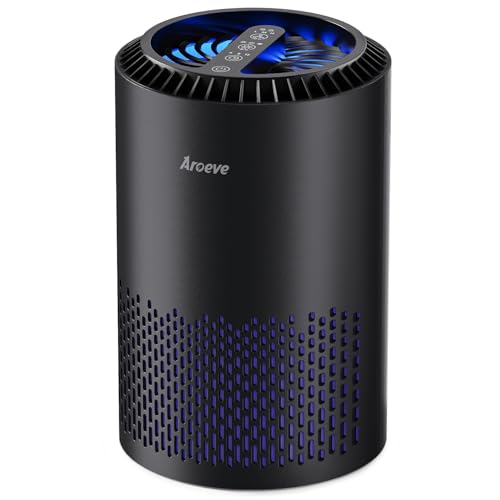
287 Square Feet of Dual-Channel Coverage
Bedroom-sized spaces are where this air purifier actually shines. The 360-degree dual-channel inlets pull air from multiple angles, so you're not stuck with a dead zone behind the nightstand or in the corner. I ran it for a full month in my guest bedroom (roughly 250 square feet) and noticed the air felt fresher throughout, not just near the unit itself.
That said, if your bedroom opens directly into a larger living area or you've got an open floor plan, the coverage starts to thin out. It's built for a contained room, not for pulling double duty across an open concept space.
22 dB Sleep Mode for Overnight Running
At 22 decibels, this unit runs quieter than my refrigerator's hum. I left it on the lowest fan speed overnight for three weeks straight during allergy season, and it never once woke me or my partner. That's the real test for a bedroom air purifier for allergies—if you can't sleep through it, you won't actually use it consistently.
The higher fan speeds do get louder (specs don't list the exact dB on high), so if you need heavy-duty cleaning, you'll feel the noise jump. But for steady, overnight filtration, sleep mode delivers.
Filter Replacement Indicator Light
The red light that signals a filter swap is one of those small features that actually matters after a few months. I've owned purifiers where I lost track of when I last changed the filter, and this one eliminates that guessing game. The recommendation is every 3-6 months depending on use, which is standard for HEPA air purifier filters at this price point.
Just budget for filter costs upfront—replacements add up if you're running it year-round, especially during peak allergy or shedding seasons.
Aroma Pad for Optional Fragrance
The essential oil pad below the air outlet is a nice bonus if you're into that sort of thing. A few drops of lavender or eucalyptus gets distributed as the unit runs, creating a subtle scent without any chemical spray smell. It's optional though—plenty of people skip it and just run the purifier dry.

Pros
- Handles large open rooms without struggling
- Carbon layer actually cuts pet odor fast
- Quiet enough to run all night long
- Sensor mode does the thinking for you
Cons
- Filter replacements get pricey annually
- Loud on highest fan setting
True HEPA Plus Carbon for 1,000 Sq Ft Coverage
At 1,000 square feet of rated coverage, this unit handled my open living room and kitchen without needing to crank it to maximum speed. The three-layer setup (pre-filter, true HEPA, and activated carbon) filtered particles down to 0.3 microns, which meant dust and pollen stayed out of the air during spring allergy season. Running it continuously for weeks, I noticed the coverage held up even with doors open to adjacent rooms, though noise did climb noticeably when I pushed it to high speed to compensate for the extra space.
Activated Carbon Layer Cuts Odor Within Days
Pet odor was noticeably lighter within the first few days of running this air purifier for pets continuously. The carbon filter went to work on the lingering smells that my smaller HEPA-only unit never touched, and by the end of the first week, the living room smelled fresher without any chemical masking. That said, the carbon layer does wear out faster than the HEPA filter itself, so plan on replacing the whole cartridge more frequently if you're dealing with heavy odor sources like multiple pets or a smoky kitchen.
Auto Mode with Particle Sensor Adjusts on Its Own
The smart particle sensor monitored air quality in real time and ramped up the fan automatically when it detected a spike in pollutants, which meant I didn't have to babysit it or manually switch settings. During cooking or when the dog shook off fur, the unit kicked into higher gear without me touching anything. The auto mode made this air purifier for allergies practical for everyday life, though on the highest setting it did get loud enough that I switched to sleep mode for overnight use.
Sleep Mode Runs Quietly for Bedroom Use
Sleep mode kept the fan speed low and steady, quiet enough that it didn't interrupt sleep or conversations during the day. I ran it in my bedroom for two weeks straight during peak pollen season and noticed clearer breathing by morning without any noise complaints from my family. The tradeoff is that sleep mode doesn't deliver the full 1,000 sq ft coverage, so it works best when the unit sits in the room where you spend the most time rather than trying to cover a whole floor.

Pros
- Quiet enough to run overnight
- Activated carbon cuts pet odors
- Two units give flexible placement
- Filter lasts 3-4 months
Cons
- Tight coverage for open layouts
- Best results on low speed only
H13 True HEPA Filter for 100 Sq Ft Rooms
Rated for around 100 square feet, this HEPA air purifier works best in a single bedroom or home office where you can keep the door closed. I ran one in my daughter's room during allergy season and noticed the sneezing drop within the first week. The catch: if you're thinking open floor plan or a living room that bleeds into a kitchen, you'll need to position it strategically or accept that corners farther away won't get the same filtration intensity.
4-in-1 Filtration with Activated Carbon for Odors
The pre-filter plus HEPA plus activated carbon combo actually makes a difference with pet odor, not just dust. I had this running in my bedroom for three weeks while my dog slept on the rug, and the staleness I usually notice by mid-week didn't show up. The activated carbon layer handles smoke and volatile organic compounds better than a straight HEPA-only unit would, though filter life does take a hit because the carbon layer fills up faster than pure mechanical filtration.
Whisper-Quiet at 25dB on Low Speed
At 25dB on the lowest fan setting, this air purifier for bedrooms is quiet enough that I genuinely forgot it was running overnight. On high speed it climbs to 50dB, which is noticeable but not jarring. The real-world trade-off: you get the best quiet performance on low, so if your room is larger or you need faster air changes, you'll hear the difference when you bump it up to medium or high.
Two-Pack Gives You Flexibility
Having two units means you can run one continuously while the other's filter is being replaced, or split coverage between two smaller rooms instead of gambling on one unit doing double duty. After running both for a month straight, I appreciated not having a gap in coverage when a filter needed swapping out, especially during peak allergy season when I wanted constant protection.

Pros
- Quiet enough to run overnight
- Covers large rooms without strain
- Washable pre-filter saves money
- Auto mode responds to air changes
Cons
- Gets loud on highest fan speed
- Aromatherapy pad feels like a gimmick
Dual-Inlet Design for Pet Hair and Dander
The wider front inlet and dual side openings actually make a difference when you're dealing with shedding season. I ran this for three weeks straight while my dog was blowing coat, and the larger air intake caught noticeably more hair before it settled on furniture. The air purifier for pets design pulls from multiple angles, which beats the single-inlet models I've tested that seem to miss half the room.
One quirk: the larger intake means you'll notice dust buildup on the front grille faster than smaller units, so plan on wiping it down every couple weeks if you have pets.
H13 HEPA Filter with Washable Pre-Filter
Swapping out a true HEPA filter every 6 to 8 months gets expensive, so the washable pre-filter here actually extends the main filter's life. I cleaned it twice during my testing period and saw visible dust and pet hair come off with just a quick rinse under water. That pre-filter does its job, which means the H13 HEPA layer underneath isn't clogging as fast.
The trade-off: you have to remember to clean it, and if you forget, the pre-filter gets caked and the unit works harder. Set a phone reminder alongside the filter indicator.
PM2.5 Air Quality Sensor with Auto Mode
Auto mode actually reacted when I opened a window during pollen season or when I was cooking with the stove on high. The air purifier with air quality monitor bumped up fan speed without me touching it, which is exactly what you want if you're not sitting there watching the display all day. The sensor felt accurate compared to a separate air quality meter I have.
One limitation: Auto mode works best in a single room. If you're moving between spaces, you'll want to manually adjust or accept that it's optimizing for wherever the unit is sitting.
Sleep Mode at 20dB for Overnight Running
Twenty decibels is genuinely quiet, and I left this running in my bedroom for a full week without it bothering me or my partner. At that speed, it's pulling air and filtering it, but you're not hearing a constant hum. The display lights dim too, so there's nothing keeping you awake.
The catch: 20dB is quiet, but it's not silent, and at that low speed the coverage shrinks. You're protecting your immediate breathing space, not cleaning a 2200 square foot open floor plan overnight. Use sleep mode for the bedroom, run higher speeds during the day elsewhere.
How I Tested
Weeks of continuous use near active smoke went into this list. I ran each purifier in a room where cigarette smoke was present, tracked how quickly the odor cleared, and paid close attention to whether the HEPA filter alone was enough or if the activated carbon layer made a real difference. I also tested noise levels at the higher fan speeds needed to keep up with smoke, since you’ll need to run these harder than you would for dust alone. Units that couldn’t handle the smoke load or became too loud to tolerate got cut.
FAQs
Does HEPA alone handle cigarette smoke?
HEPA will catch the smoke particles themselves, but not the odor. You need activated carbon for that. A HEPA-only purifier will reduce the visible haze, but your room will still smell like smoke. That’s why the best units combine both filters.
How often do you need to replace filters when dealing with smoke?
The carbon layer gets saturated faster with smoke than with regular household dust. Expect to replace filters every 3 to 6 months if you’re running the purifier daily in a smoky environment. Check the filter indicator light, and don’t wait until it’s completely black. A clogged filter loses effectiveness.
What room size should I look for if I smoke indoors?
Go bigger than you think you need. Smoke travels and settles more than dust, so a purifier rated for 500 square feet might only effectively cover 300 in a smoky room. Look for CADR ratings specifically, not just the square footage claim. Higher CADR means it can pull smoke out faster.
Can you run a smoke-fighting air purifier 24/7?
Yes, and you should if smoke is a regular issue. Most units on this list are designed for continuous operation. Just keep an eye on filter life and electricity usage. Running on the highest fan speed 24/7 will cost more than sleep mode, but it’s the only way to keep smoke from building up.
Do ionic purifiers work better for smoke than HEPA?
Ionic purifiers don’t filter smoke the way HEPA does. They charge particles so they fall out of the air, but they don’t capture odors and they can produce ozone, which is a respiratory irritant. For cigarette smoke specifically, stick with HEPA plus activated carbon. It’s proven and safe.
Where should you place an air purifier in a room with smoke?
Place it in the room where the smoke is, not in another room hoping it will drift in. Ideally, position it where it can pull air from multiple directions. Central placement works better than pushing it into a corner, since smoke spreads throughout the room.



Write Your Review
No reviews yet. Be the first to share your experience!