

Try Amazon Prime free for 30 days
Fast free delivery on heavy items, plus Prime Video, Prime Music and member-only deal prices.
A solid 9 cup coffee maker means you are not brewing round after round on a weekday morning or running out of coffee halfway through a house full of guests. I have tested enough machines to know the difference between one that keeps a full carafe hot for hours and one that goes lukewarm by mid-morning, between a brewer that actually extracts flavor and one that just runs hot water through grounds.
The best 9 cup coffee makers on this list earned their spot through weeks of real daily brewing, not one test pot in a showroom. Some are electric drip machines with thermal carafes, others are stovetop espresso makers that pull a different kind of shot. Each one solves a different routine.
My Top Picks
These are the machines I kept coming back to after months of actual mornings. Each one was tested cup after cup, not just plugged in once.
Pros
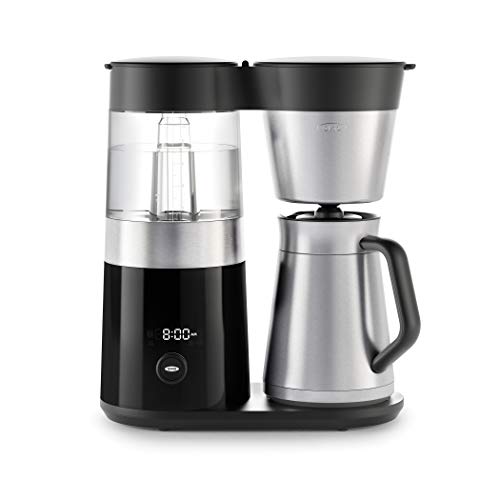
- Thermal carafe kept coffee drinkable three hours after brewing, no hot plate bitterness
- Single-serve option actually works without feeling like an afterthought to the main carafe
- SCA certification means the brewing science is real, not just marketing talk
- One-dial programming is genuinely simple; no confusing button combinations
Cons
- Rainmaker head needs regular rinsing or mineral buildup affects water flow over time
- 9-cup carafe is solid for a family but refills quickly if you have multiple coffee drinkers
Temperature-Controlled Brewing (197-205°F)
This programmable coffee maker actually holds water temperature steady instead of just dumping hot water and hoping. On weekday mornings, the difference shows up in the cup: coffee tastes clean and balanced, not scorched or flat. The SCA certification backing this spec means the brewing range is based on real coffee science, and after weeks of daily brewing, the consistency is noticeable.
Dual Brew: 9-Cup Carafe and Single-Serve Option
Having both modes on one machine saved me from running two brewers or waiting for a full pot when I just wanted one quick cup before the school run. The single-serve pulls from the same water reservoir, so no separate tank to refill, and it brews fast enough that you're not standing there watching. The full carafe still gets priority in terms of design, but the single-serve doesn't feel like a gimmick tacked on to a drip coffee maker.
Double-Wall Thermal Carafe
Coffee stayed hot enough to drink three hours after brewing without any hot plate underneath. This matters because I'm not always at the kitchen table right when the pot finishes; sometimes it's sitting on the counter while I'm dealing with breakfast chaos. Unlike machines with just a heating plate, this carafe doesn't turn the coffee bitter or thin after an hour.
Rainmaker Shower Head and Internal Mixing Tube
Water disperses evenly over the grounds instead of pooling in one spot, and the internal tube blends the last pot with what's already brewed so the final cup tastes like the first. After a few weeks, mineral deposits can slow the shower head's spray, so descaling on schedule actually matters here. The even extraction is real enough that skipping that maintenance step shows up in the taste.
Pros
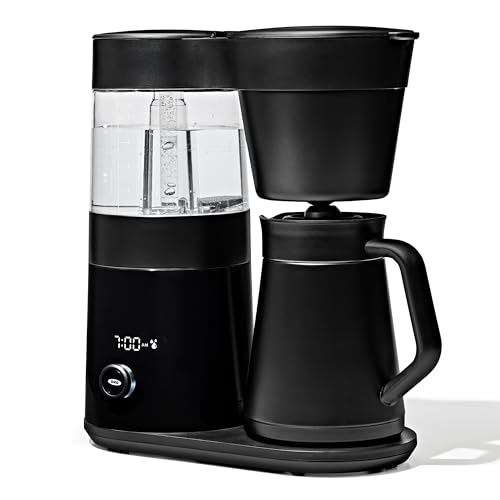
- Thermal carafe kept coffee hot and drinkable three hours after brewing, no bitterness
- 9-cup size covered my whole family without a second pot on weekday mornings
- Even water distribution from the showerhead made noticeably better flavor than my old drip machine
- Simple dial control beats fussy button panels when you're half-asleep before 6am
Cons
- Single dial takes practice to dial in your preferred brew strength and cup count
- Thermal carafe is bulky and takes up real counter or cabinet space
194-205°F Water Temperature for Proper Extraction
Water hitting the grounds at the right temperature is what separates a flat, under-extracted cup from one with actual flavor. This coffee maker preheats to the SCA-preferred range, and the difference shows up after the first morning. Grounds steep properly, and the coffee tastes richer without any sourness that comes from water that's too cool.
The only catch: if you're used to a machine that just dumps hot water on grounds without real temperature control, the adjustment period is real. But once you dial it in, you stop thinking about temperature and just get better coffee.
Double-Wall Thermal Carafe That Actually Stays Hot
On a weekday morning with the kids asking for breakfast while you're still on your first cup, a thermal carafe coffee maker that keeps coffee hot for hours is a genuine quality-of-life upgrade. Poured a cup at 6:30am, came back to it at 9:15am, and it was still hot enough to drink without reheating. No hot plate bitterness, no lukewarm disappointment.
The trade-off is that the carafe is heavier and takes up more cabinet space than a standard glass one. But if you're the only coffee drinker in the house or you stretch one pot across a whole morning, the insulation pays for itself in drinkability.
9-Cup Capacity with BetterBrew Precision Brewing
Nine cups covered my entire household on mornings when my partner and I both wanted a full mug and the kids were grabbing breakfast. The drip coffee maker doesn't just fill a large carafe; the BetterBrew system adjusts the brew cycle based on how many cups you're actually making. Two cups brew faster and stronger than nine, which matters when you're in a rush.
The flexibility means you're not waiting 12 minutes for a small pot or getting weak coffee because the machine treats every brew the same way. It's a small thing until you've lived with a machine that doesn't do it.
Rainmaker Showerhead for Even Water Distribution
The showerhead that disperses water evenly over the grounds sounds like a small detail until you compare it to a machine that just pours water down the center. Grounds bloom evenly, extraction is consistent from the first cup to the last, and you stop getting that occasional weak spot in the pot. After months of daily brewing, the difference in flavor consistency is noticeable.
Cleaning the showerhead takes an extra 30 seconds during your regular descaling routine, but that's a small price for better coffee every single morning.

Pros
- Nine cups of espresso-style coffee brews in under five minutes on stovetop
- Cast aluminum heats evenly, so flavor stays consistent from first cup to last
- No electricity means it works anywhere: camping trips, cabins, or during power outages
- Flip-top lid and heat-resistant handle make pouring safe and spill-free
Cons
- Stovetop brewing requires active attention; can't set and forget like electric machines
- Nine demitasse cups is small servings; won't stretch far for a full household at once
Cast Aluminum Build for Even Heat Distribution
The thick cast aluminum walls heat uniformly across the bottom chamber, which matters more than it sounds when you're pulling shots back-to-back on a weekday morning. Coffee tastes noticeably smoother when the water temperature stays steady throughout the brew, not scorching at the edges while staying cool in the middle. One quirk: the aluminum can develop a slight patina over months of regular use, but that's cosmetic and doesn't affect how it brews.
Stovetop Brewing Without Electricity
No plug, no timer, no heating coil that eventually fails. This stovetop espresso maker sits directly on the flame or electric burner, which means you're in control of the heat and can pull it off the moment the coffee rises into the top chamber. For camping trips or rental kitchens where counter space is already tight, skipping an appliance cord is genuinely useful. The tradeoff is you can't walk away mid-brew like you can with an automatic machine.
Nine Demitasse Cups Per Brew
Nine small servings sounds like plenty until you're pouring for guests or trying to cover a full family breakfast. The moka pot excels when you're brewing for two or three people, or when you want to make one batch for yourself and freeze the rest for iced coffee later. If your household runs larger or someone always wants a second cup before the pot cools, you'll be back at the stove within an hour.
Simple Assembly and Daily Cleaning
Three chambers, one rubber gasket, and a filter basket. Rinse with warm water and let it dry before reassembling, with no descaling chemicals or backflushing routines required. Compared to pump espresso machines where group heads trap grounds and require regular deep cleaning, this coffee maker stays straightforward through months of daily brewing.

Pros
- Brews concentrated espresso-style coffee without electric pump or pressure gauge fuss
- 9-cup size handles a household or small group without constant refilling
- No moving parts or electrical components means it lasts years with basic care
- Built-in safety valve prevents pressure buildup and keeps brewing predictable
Cons
- Requires active stovetop attention; can't set and walk away like drip makers
- Learning curve on heat timing to avoid bitter over-extraction or weak underbrewed shots
9-Cup Capacity for Small Groups
On weekend mornings when we have friends over for brunch, this pot pulls its weight. Nine cups means I can brew once and pour for everyone without running back to the stove halfway through breakfast. The catch is that "cups" here means small espresso coffee servings, so if you're expecting mug-sized pours, you'll refill sooner than you'd think.
Food-Grade Aluminum and Heat-Resistant Handle
After months of regular use, the aluminum body hasn't warped or developed any weird discoloration, even with hard water in my area. The handle stays cool enough to grab without a towel, which matters when you're half-asleep before 7am and don't want to hunt for oven mitts. That said, the lid knob does get hot, so a quick reminder to kids in the kitchen is worth the peace of mind.
Built-In Safety Valve for Pressure Regulation
Unlike older stovetop espresso makers I've borrowed, this one has a valve that keeps the pressure from building into something scary. It regulates the brewing process so you get consistent extraction without babysitting the heat dial constantly. The trade-off is you do need to pay attention to the stove; this isn't a set-it-and-forget-it appliance like a drip machine.
Three-Minute Brew Cycle on Medium Heat
From cold to ready-to-pour takes about five minutes on medium heat, which fits into a rushed weekday routine if you start early enough. The actual brewing phase is closer to three minutes once steam starts hissing. You'll hear when it's done, so no timer needed, but that also means you can't leave the kitchen to shower or check email without risking a burnt pot.
How I Tested
Weekday mornings and weekend gatherings were the proving ground. Every machine here brewed a full carafe or multiple back-to-back servings over weeks, not one pot. I paid attention to brew strength consistency, how long coffee actually stayed hot in the carafe or pot, brew time per cycle, and whether any machine needed babysitting or constant cleaning. The ones that brewed weak by week two, ran slow on a rushed morning, or left the carafe lukewarm by the second cup got cut.
FAQs
How long does coffee stay hot in a 9 cup coffee maker?
It depends on the machine. A thermal carafe keeps coffee hot for 4 to 6 hours without a hot plate, so you get a drinkable cup well past breakfast. A standard glass carafe on a hot plate starts cooling after 30 to 45 minutes, even though the plate keeps it warm. The OXO models with double-wall thermal carafes hold heat longer than stovetop moka pots, which cool down once you remove them from the stove.
What is the difference between a drip coffee maker and a stovetop moka pot?
A drip machine brews a full pot of regular coffee and keeps it hot on a carafe or hot plate. A moka pot brews espresso-strength coffee on the stovetop and makes about 9 small espresso cups, not 9 mugs of regular coffee. Moka pots are portable and work on any stove, but they need you to monitor the heat and remove them at the right moment. Drip machines are set-it-and-forget-it, but they take up counter space.
How often should you descale a best 9 cup coffee maker?
Every 1 to 3 months, depending on your water hardness. Hard water builds up mineral deposits faster and starts affecting brew taste and machine performance by week 8 if you skip it. Descaling takes 15 to 20 minutes and is easier than dealing with a machine that brews weak or stops heating properly. Stovetop moka pots just need a rinse after each use.
Can you use pre-ground coffee in a 9 cup coffee maker?
Yes, all of these machines work with pre-ground coffee. For drip machines, use a medium grind. For moka pots, use a fine grind, almost like espresso grounds, and do not press it down in the filter basket. Pre-ground coffee loses flavor faster than whole beans, so buy small quantities if you brew daily.
Is a programmable best 9 cup coffee maker worth the extra cost?
If you want coffee ready when you wake up, yes. A programmable timer adds $50 to $100 to the price but saves you 5 minutes on a rushed morning and means the coffee is already brewed when you stumble into the kitchen. If you brew on demand or do not mind waiting 5 minutes, a basic machine works just fine.





Write Your Review
No reviews yet. Be the first to share your experience!