

Try Amazon Prime free for 30 days
Fast free delivery on heavy items, plus Prime Video, Prime Music and member-only deal prices.
An 8 qt pressure cooker is built for families and batch cooking, not single pots of rice. I have tested these large-capacity units on tough cuts that needed hours of braising, dried beans straight from the bag with no overnight soak, and full canning weekends where I processed jars back-to-back. The difference between a mediocre 8 qt model and a solid one shows up fast: uneven pressure buildup, sealing rings that hold onto garlic smell for weeks, lids that leak steam where they shouldn’t.
This list covers electric pressure cookers and multi-cookers in the 8 quart size, tested on real meals over weeks of regular use. I eliminated units that couldn’t maintain consistent pressure, felt unsafe during release, or left me scrubbing the sealing ring for days after cooking with garlic.
My Top Picks
These are the pots I keep coming back to. Each one cooked a tough cut tender, handled dried beans without drama, and cleaned up without lingering smells.
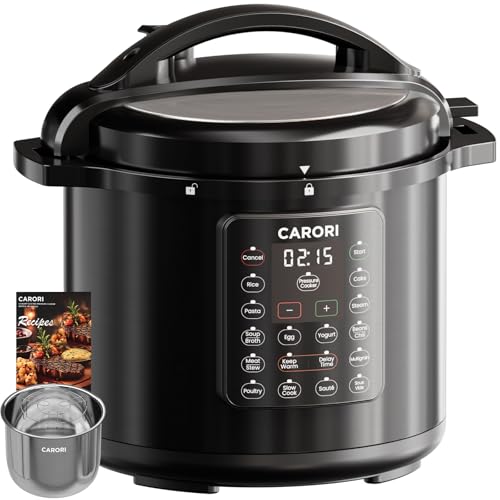
Pros
- 8-quart size fit a whole chicken easily
- Comes to pressure in just a few minutes
- Ceramic pot rinsed clean, no garlic smell
- Saute function actually works for browning
Cons
- Not rated for USDA-approved canning
- Delay timer limits some meal-prep flexibility
70 kPa Pressure for Faster Cooking
At 70 kPa, this electric pressure cooker cuts cook time significantly compared to traditional methods. Dried beans came out fully tender straight from the bag with no overnight soak, and a tough chuck roast turned fall-apart tender in under an hour. The trade-off is that you're locked into preset timing rather than adjusting pressure mid-cook like you can with a stovetop model.
8-Quart Capacity for Family-Sized Batches
The 8-quart size means you can cook for a crowd or batch-prep without running the pot twice. I fit a whole chicken with vegetables, or enough dried beans for two weeks of lunches, and still had room for the liquid. For smaller households, this much capacity can feel like overkill on a Tuesday night when you're cooking for two.
Ceramic Inner Pot Handles Garlic Without Lingering Odor
The ceramic non-stick coating released food cleanly after heavy garlic or curry dishes, and the pot rinsed out without that stubborn smell that sealing rings trap for weeks. Cleanup was straightforward, though the ceramic scratches if you're rough with metal utensils. This matters if you cook pungent ingredients regularly and don't want your multi-cooker smelling like last week's curry.
Saute Function Works Before Pressure Cooking
Browning meat or aromatics in the pot before sealing saved a dish and a cleanup step. The saute mode heated evenly enough to get a decent sear on beef without hot spots, though it won't match a cast-iron skillet's crust. For weeknight cooking when you want to stay in one pot, this function actually earned its place in the preset menu.

Pros
- 8-quart size fit a whole chicken easily
- Saute function browned meat before pressure cooking
- Sealing ring rinsed clean, no lingering smell
- Comes to pressure in a few minutes
Cons
- Not USDA-certified for pressure canning
- Quick release valve can be loud
8-Quart Capacity for Batch Cooking and Large Families
Fitting a whole chicken with vegetables or a 5-pound chuck roast with room to spare changes how you approach weeknight dinner. This size lets me brown a big batch of ground beef for taco filling or cook enough dried beans for two weeks without running the pot twice. The trade-off is counter and cabinet space; if your kitchen is tight, this footprint matters.
Sauté Function Before Pressurizing
Being able to sear a roast or brown onions and garlic without dirtying another pan is exactly how a multi-cooker should work. The stainless steel tri-ply bottom gets hot enough to develop a real crust, not just warm the meat. After sautéing, the pot seals right up without needing to transfer anything, which saves time and cleanup on a busy night.
Quick Pressure Buildup and Easy Release
This electric pressure cooker comes to pressure noticeably faster than the stovetop model I used for years, cutting braise time down significantly. The easy-release steam switch is straightforward, though the quick release does hiss loudly enough to make you jump the first couple of times. Natural release still works if you want it, giving you flexibility depending on what you're cooking.
Sealing Ring That Actually Cleans
After a curry or garlic-heavy meal, the sealing ring can hold onto smell in cheaper pressure cookers, but this one rinses clean without lingering odors taking over your next batch of rice. The ring is also easy to remove and pop in the dishwasher, which I do after anything pungent. Having a spare ring on hand is still smart for any electric pressure cooker, just in case.

Pros
- 8-quart size fit a whole chicken easily
- Comes to pressure in a few minutes
- Extra sealing ring saves time between meals
- Saute function browned meat before pressure cooking
Cons
- Not rated for USDA-approved canning
- Large footprint takes up serious counter space
8-Quart Capacity for Family Meals and Batch Cooking
A whole chicken, two pounds of dried beans, or enough pulled pork to fill three freezer containers all fit comfortably without crowding the pot. For a family of four or anyone who meal preps on weekends, this size means fewer batches and less time standing over the stove. The electric pressure cooker handles volume the way a smaller model never could, though it does demand real counter or cabinet space to live permanently.
Saute Function Lets You Brown Meat Before Pressure Cooking
Browning a chuck roast or beef stew meat directly in the pot before sealing it cuts down on dirty pans and builds real flavor from the start. Unlike older multi-cooker models I've used where the saute function felt like an afterthought, this one actually gets hot enough to get a proper crust on meat. The transition from saute to pressure cooking is seamless, which means fewer steps between raw ingredients and tender dinner.
Comes to Pressure Faster Than Slower Cookers
At 20% faster preheat time compared to slow cooking methods, a pot of tough meat or beans that would take six hours low-and-slow in a crock pot comes to tender in under an hour. This speed matters on nights when dinner planning happened at 4 p.m. instead of 4 a.m. The pressure cooker delivers real time savings without sacrificing the breakdown of connective tissue that makes braised meat actually taste good.
Extra Sealing Ring and Steamer Basket Included
One sealing ring absorbs garlic, curry, and tomato smell no matter how well you wash it, so having a second ring ready means you can swap them out and let the first one air out for a day or two. The stainless-steel steamer basket with handles lets you cook vegetables or fish above the liquid without them getting waterlogged. These extras mean less scrambling to find replacement parts or workarounds when you want to cook something delicate alongside a pressure cooker batch.

Pros
- Large 8-quart size fits whole chickens
- Sauté function browns meat before pressure
- Quiet steam release won't startle you
- Two extra sealing rings included
Cons
- Not USDA-approved for pressure canning
- Sealing ring holds garlic smell for days
8-Quart Capacity for Larger Families and Batch Cooking
This size actually fits what I need to cook on a weeknight. A whole chicken, a big batch of dried beans, or enough chili to freeze half fits without crowding. The 8-quart pressure cooker capacity means I'm not running two pots for a family dinner or splitting a canning batch into two rounds.
One quirk: with this much space, you need to respect the minimum liquid rule. Fill it too thin and the pressure sensor won't engage properly.
Sauté Function Built In for One-Pot Browning
Browning a chuck roast or chicken thighs before pressure cooking used to mean dirtying a skillet first. The multi-cooker sauté function does that work right in the pot, and the tri-ply bottom keeps the pot from sliding around while you're working the meat. I got real crust development without the extra cleanup.
The catch is that sautéing in an electric pressure cooker heats slower than cast iron or a heavy skillet, so plan an extra minute or two if you're browning in batches.
WhisperQuiet Steam Release for a Peaceful Kitchen
Most pressure cookers hiss loud enough to make you jump the first few times. This one uses WhisperQuiet technology to keep that noise down, which matters when you're cooking after kids go to bed or early before anyone's awake. The one-touch button is placed where your hand naturally reaches, and steam releases smoothly without that violent burst.
It still makes noise, just not the alarming kind that sounds like something's about to blow.
Two Extra Sealing Rings and Steam Rack for Flexibility
Having a spare sealing ring means you can keep one soaking while you use the other, which is crucial if you're cooking curry one night and plain rice the next. The included steam rack with handles works for steaming vegetables or stacking smaller pots inside for batch cooking. This electric pressure cooker comes ready to work without hunting for accessories.
Fair warning: even with a spare ring, the silicone holds onto strong smells like garlic or fish sauce stubbornly. Baking soda soak helps, but plan on it.
How I Tested
Weeks of pot roasts, dried beans, and multiple canning batches went into this list. Every 8 qt pressure cooker here cooked a tough cut down to fork-tender, handled beans straight from dry with no soaking, and maintained pressure without leaking at the seal. I paid close attention to how fast pressure built, whether the sealing ring held onto garlic smell, and how the release valve felt during steam release. Units that leaked, held odors, or felt unsafe during operation didn’t make the cut.
FAQs
How much faster does an 8 qt pressure cooker actually cook?
You are looking at 40 to 70 percent faster than oven braising or stovetop simmering, depending on what you are cooking. A pot roast that takes three hours in the oven comes out tender in about 45 minutes under pressure. Dried beans cook in 30 to 40 minutes with no soaking, versus four to six hours on the stovetop. The time savings add up fast when you are cooking for a large family.
Can you use an electric best 8 qt pressure cookers for canning?
Most electric pressure cookers are not USDA-approved for canning, even if they reach the required PSI. Canning requires a dial gauge or weighted gauge to verify pressure throughout the cycle, and electric models do not offer that level of control or certification. If canning is your goal, stick with a stovetop pressure cooker with a dial or weighted gauge.
Why does the sealing ring smell like garlic weeks after cooking?
The silicone absorbs odors and holds onto them. It happens with every brand, but some rings are thicker and hold smell longer than others. Hand wash the ring immediately after cooking, store it separately from the lid in an open container, and replace it every 12 to 18 months of regular use. Some people soak the ring in baking soda and water overnight to cut down lingering smells.
What size is right for a family of four?
An 8 qt pressure cooker is overkill for a family of four eating one meal a night, but it makes sense if you batch cook or entertain regularly. You can fill it to the two-thirds mark and still have room for pressure to build. If you are cooking only for yourself or two people on weeknights, a 6 qt model gives you more counter space and faster cooking times.
Should you use quick release or natural release?
Quick release works for vegetables and grains that are done when the timer goes off. Natural release is better for meat and beans because it lets the pressure drop slowly, keeping the food tender and preventing liquid from splattering inside the pot. With an 8 qt pot full of liquid, natural release takes 10 to 15 minutes, but the results are worth the wait.
How do you know if pressure is actually building?
Listen for the hiss from the release valve and watch for the pressure indicator to rise on the lid. If the pot is sitting silent after five minutes on high heat, check that the sealing ring is seated properly, the lid is locked all the way down, and the release valve is in the sealed position. A pot that will not build pressure usually has a misaligned ring or a partially open valve.





Write Your Review
No reviews yet. Be the first to share your experience!