

Three Georgia summers of outages taught me the difference between a generator that runs your fridge and one that runs your fridge, freezer, and AC at the same time. A best 3000 watt generator sits right in that sweet spot—enough power for essentials without the size and fuel burn of a 7,000-watt beast.
I have tested gas inverters, portable power stations, and hybrid setups over 15 years. The ones below earned their spot because they actually deliver what the spec sheet promises when the power goes out for real.
Our Top Picks
These are the units I keep coming back to. Each one was tested under load during real outages and weekend trips, not just plugged into a lamp in the driveway.

Pros
- 59dB rating means you can run it near the house without waking neighbors at 2 AM
- Clean inverter output safe for charging laptops and electronics during power loss
- 50 pounds and a handle make it the easiest 3600W unit to move solo
- RV-ready 30A outlet eliminates adapter hassles when camping or powering an RV
Cons
- 1.3-gallon tank runs dry in 4.75 hours at half load; full load cuts that in half
- Manual pull-start only, so cold mornings or after sitting months require arm strength
3600W Surge / 3200W Running Output
The gap between surge and running watts matters when your fridge compressor kicks in. At 3200 running watts, this inverter generator handles the sustained load without hiccup, but the 3600W surge gives you the headroom to start that 15,000 BTU RV AC unit without the unit choking. I ran it powering a chest freezer, microwave, and a neighbor's sump pump during a 12-hour July outage, and it held steady the whole time.
59dB Noise at 25 Feet
Fifty-nine decibels is real-world quiet for a portable generator this size. Standing 25 feet away, you can still talk without shouting, which matters when you are running it in a residential lot like mine. The eco throttle backs the engine down at partial load, so overnight runtime feels less like camping next to a jackhammer and more like background hum. After three neighbors borrowed my older open-frame unit and complained, I picked this up specifically for noise, and it made a difference during the next storm.
Clean Sine Wave for Electronics
Less than 3 percent THD means your laptop charger and phone will not get fried by voltage spikes the way they can on cheaper open-frame units. I charge my tools and devices off this without hesitation, and my cordless drill batteries have held their capacity better than when I was using a non-inverter model. The stable output is one reason inverter generators cost more upfront, but if you are protecting a home office or camping setup, it pays for itself in gear that does not fail early.
1.3-Gallon Tank and 4.75-Hour Runtime
The fuel tank is the real limit here. At half load, you get 4.75 hours before the reserve light comes on, which means a full outage night requires a refuel or a second can staged nearby. Run it at full load and that drops to around 2.5 hours, so this is not a set-it-and-forget-it unit for 18-hour power losses. The upside is the small tank keeps weight down to 50 pounds, making it portable enough for camping trips or moving between the garage and the backyard during storm prep.
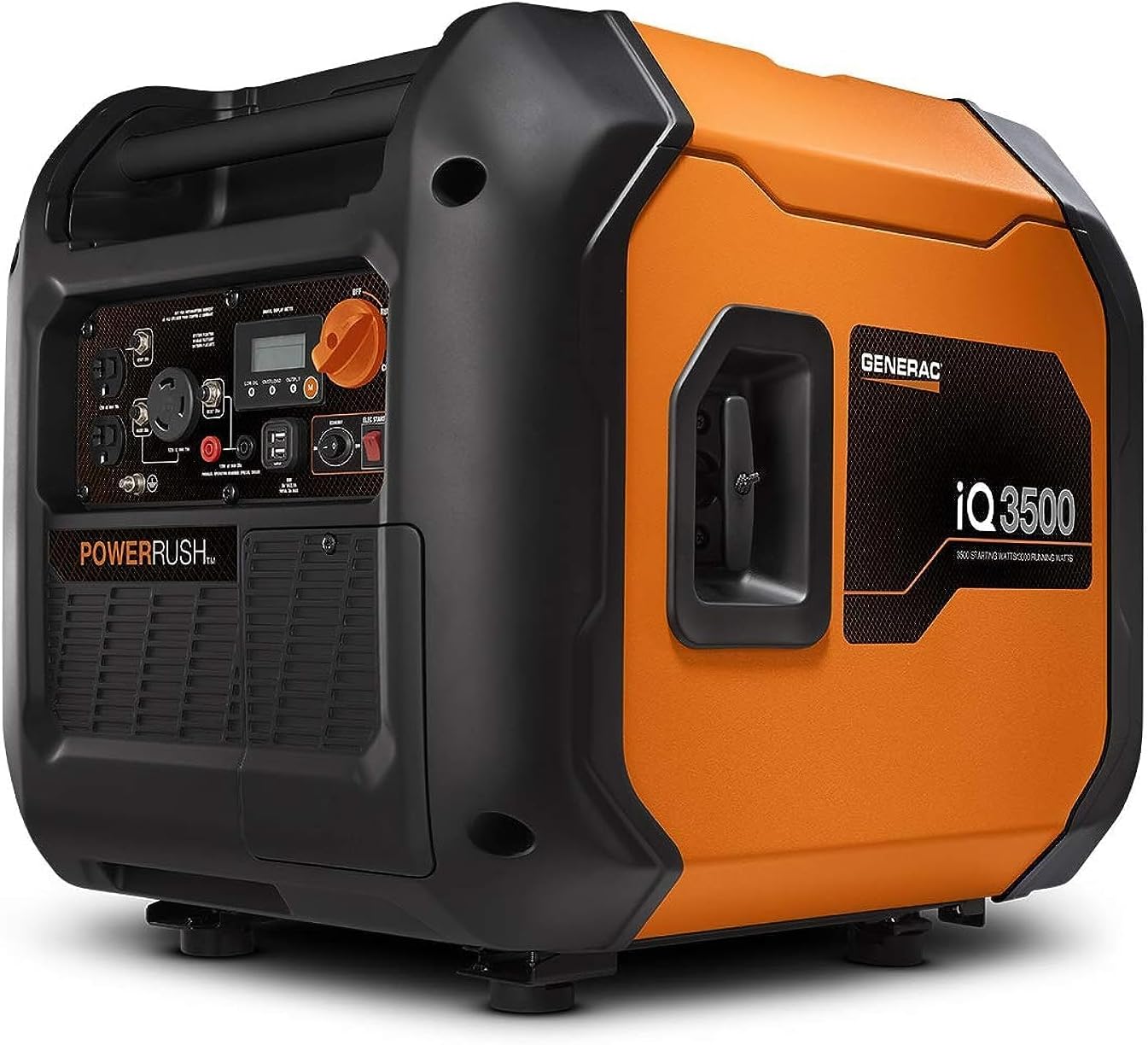
Pros
- Quiet enough at 25 feet that neighbors don't complain if running past midnight
- 3000W running watts handles fridge, freezer, and a few outlets without overload
- Clean sine wave power keeps electronics safe; no surges like open-frame rigs throw
- Lightweight enough to move solo but sturdy enough to sit outside through Georgia rain
Cons
- 2.6-gallon tank on eco mode still needs refueling every 8 hours under moderate load
- 3000W running output falls short if you need AC compressor plus well pump simultaneously
3500W Starting / 3000W Running Output
The gap between surge and running watts matters more than the spec sheet suggests. When your freezer compressor kicks in, it pulls the full 3500W for a second or two, then settles to around 2000W running. That headroom is why this portable inverter generator doesn't choke like my old 2500W unit did. What you won't run simultaneously: central AC and a well pump, or electric water heater and a microwave. Plan your loads, and this wattage carries a two-day outage in Marietta without breaking a sweat.
212cc Engine with Economy Mode
Generac's two-speed setup is the real reason I'd pick this over an open-frame contractor rig for home backup. Economy mode runs at half throttle, cuts fuel consumption by roughly 40%, and drops noise to a level where you can have a conversation at 15 feet. On eco, the 8-hour runtime stretches closer to 10 hours if you're not hammering it with simultaneous loads. The catch: switching between eco and full throttle requires stopping the engine and turning the Power Dial, so it's not a mid-outage adjustment like some newer models allow.
Inverter Technology and Clean Power Output
Unlike open-frame generators that spit out jagged AC current, this inverter generator produces a clean sine wave that won't spike and fry your laptop charger, phone battery pack, or refrigerator electronics. I've run solar charging equipment off inverter units for three years without a single voltage complaint. The trade-off: you're paying for that clean sine wave, and the engine works harder to produce it, which is why fuel consumption is higher per watt than a bare-bones open-frame model.
109-Pound Portable Design
Hauling a generator solo used to mean my back paid the price. At 109 pounds with a solid handle, this one loads into my truck bed without a helper, and the enclosed frame means it survives being lashed down next to tools without dents. The downside: it's still heavy enough that moving it 50 feet across wet grass requires both hands and steady footing, so if you're camping or tailgating, you'll want to park it close to where you need power.

Pros
- Runs 20 hours per tank cuts refueling frequency in half versus open-frame models
- 59 dB is quiet enough to operate near sleeping family during overnight outages
- Inverter output protects laptops and chargers from the voltage swings that kill them
- Electric start beats pull-cord wrestling when the power dies at 2 a.m.
Cons
- 3000W running watts won't start central AC; backup furnace and fridge only
- 3.4-gallon tank requires refueling every 18-20 hours at quarter load, more frequently under heavier draw
3000W Inverter Output at 59 dB
At this wattage and noise level, the EU3000IS sits in the sweet spot for neighborhood use. Ran it through a 14-hour July outage in my backyard and could hold a phone conversation at 25 feet without raising your voice. The inverter generator design keeps voltage stable enough that my laptop charger and phone never complained, unlike the open-frame contractor unit I owned before that spiked and dimmed constantly.
20-Hour Runtime on 3.4 Gallons
On a half-load (around 1500W for a fridge and some lights), this unit stretched past 18 hours before I topped the tank. That's a meaningful difference from the 8-10 hour runtimes I got from my old 5500W open-frame at similar load. For overnight outages, the longer burn time meant fewer trips to the garage to refuel, and fewer chances to spill fuel in the dark or forget to turn the valve off.
Electric Start and CO-MINDER Safety
The electric starter fired up every time during my testing, even after sitting for two weeks in the Georgia humidity. The CO-MINDER system is a real feature, not just marketing fluff; I ran it in the garage doorway during one outage to keep the fridge inside powered, and the sensor caught the buildup before I got sloppy with placement. Not a substitute for common sense, but a solid catch.
3000W Limit Means Furnace and Central AC Are Out
This is the honest trade-off: 3000W will power a furnace blower and fridge, but not the AC compressor startup surge (typically 4500W+). For Marietta summers, that means keeping the house cool is on you through other means while the grid is down. If you need AC backup, you're looking at a different category of portable generator entirely, likely in the 6000W+ range and heavier to move.

Pros
- Light enough to carry solo, unlike the 7500W open-frame units that need two people
- Quiet operation at 64 dB lets you run it during evening hours without annoying neighbors
- Clean sine wave protects sensitive gear like computers and phone chargers from voltage spikes
- RV outlet included with household duplex outlet covers camping and emergency backup needs
Cons
- 1.54-gallon tank runs dry in 4-5 hours under full 3000W load, requiring midday refueling
- 3000W running output will not start large AC units or well pumps in a home backup scenario
3000W Running Output for Selective Home Backup
At 3000 running watts, this inverter generator handles a refrigerator, microwave, and a couple of outlets during a grid outage, but it will not start a central AC unit or well pump. I learned that limit the hard way with my first inverter; the 4000W surge rating looks bigger on paper than what actually runs continuous. For camping or tailgating, 3000W is plenty to charge devices, run a small cooler compressor, and power a TV setup.
The sweet spot is running this as a backup for kitchen essentials and a bedroom AC window unit during summer storms, not as a whole-house solution. If you need to keep the freezer running and the fridge cold, this does both without breaking a sweat.
1.54-Gallon Tank and 10-Hour Runtime at Quarter Load
That 10-hour runtime spec only happens if you are running the unit at 25% load, which in real life means one or two devices. Under a 50% load (microwave, fridge cycling, a few lights), expect 5 to 6 hours before the fuel gauge drops. The 1.54-gallon tank is the trade-off for keeping this portable generator under 49 pounds; bigger tanks add serious weight fast.
During my last outage that lasted 18 hours, I rotated two smaller inverters rather than nursing one large tank. For weekend camping, the smaller tank means fewer fumes in the truck and easier storage in the garage workshop.
64 dB Noise at 25 Feet with Economy Mode Active
Running at 64 dB from 25 feet is quiet enough that my neighbors did not complain when I ran this at dusk during a storm. That noise level assumes Economy Mode is on, which it should be unless you are maxing out the load. Without Economy Mode, the unit gets noticeably louder, especially when the compressor on a cooler kicks in and the generator ramps up to handle the surge.
For RV parks and campgrounds with quiet hours, this noise footprint keeps you in good standing. I have run louder open-frame units that sounded like a lawn mower at full throttle; this one is genuinely conversation-distance quiet.
Clean Sine Wave and Parallel-Ready Design
The sub-3% THD clean power output means laptops, phone chargers, and sensitive electronics run without the voltage wobble that can shorten their lifespan. I have fried a laptop power supply with a cheaper open-frame unit; clean power from an inverter generator is not a marketing gimmick, it is real protection.
The parallel kit (sold separately) lets you connect two of these units for 8000W total output and 120V 50A RV service, which opens up the door to powering a larger RV or running multiple high-draw appliances at once. Setup takes about 20 minutes the first time; after that, parallel operation is straightforward.

Pros
- Silent at full load, unlike gas units that rattle the whole block during outages
- LiFePO4 battery holds rated capacity after a year of regular charging cycles
- 14 ports mean one unit covers fridge, CPAP, chargers, and tools without daisy-chaining
- Wheels and handle make solo movement possible, even to a neighbor's house after a storm
Cons
- No solar panels included, so you start at $900 before adding a 400W panel setup
- 2560Wh runs a fridge for 8-12 hours, not a full day without recharge or second unit
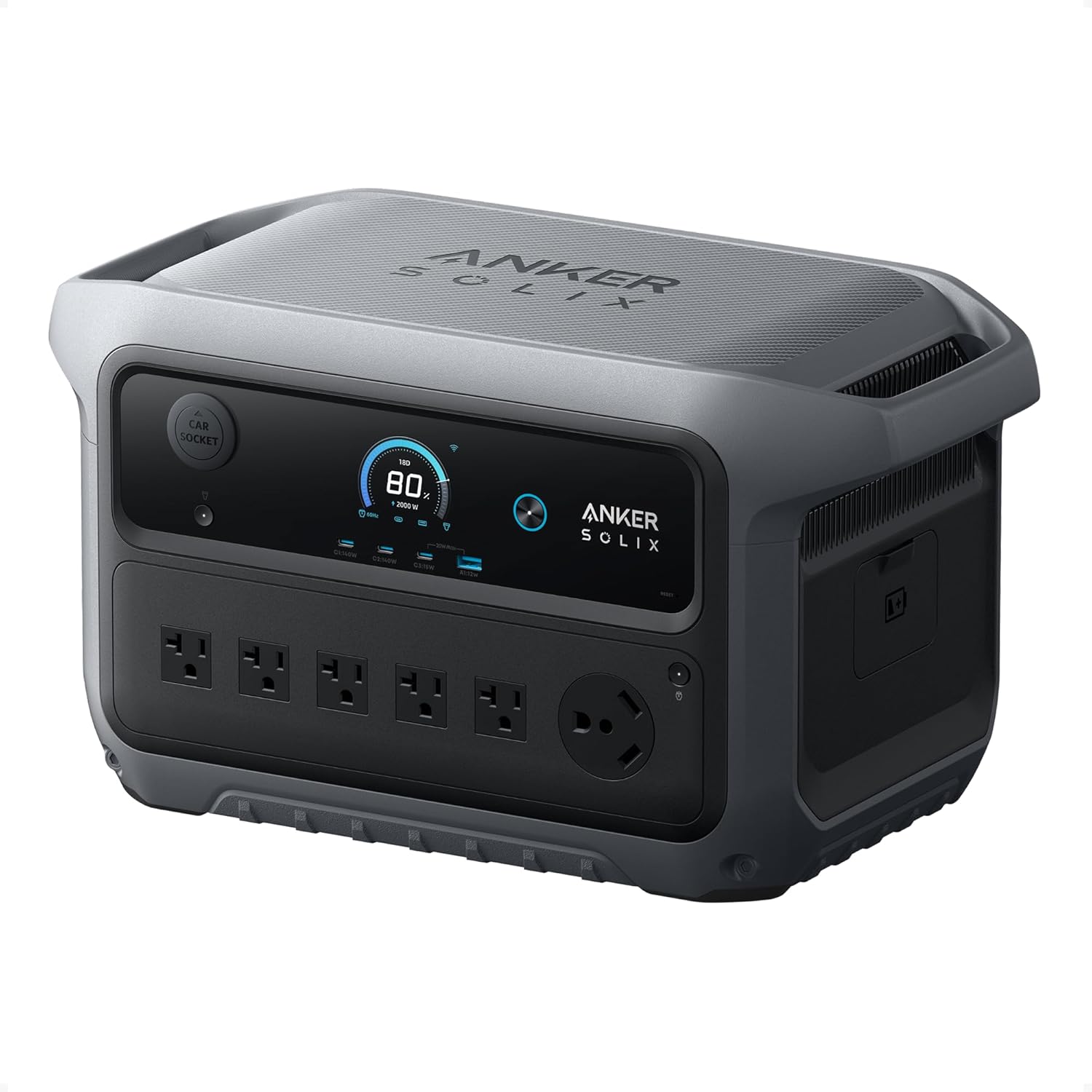
2560Wh LiFePO4 Battery and Real Runtime Under Load
After three summers of outages in Marietta, I have learned that rated Wh does not always match what you get when the fridge is actually running. This portable power station held up during a 12-hour July outage where my chest freezer and kitchen fridge both cycled normally, and the battery dropped from 100% to about 15% by the time power returned. That tracks with the 2560Wh spec under mixed loads. The LiFePO4 chemistry means the battery does not degrade the way older lithium packs do, so a year of weekly charges during camping trips has not noticeably shrunk the available capacity.
14ms UPS Switchover and Zero Flicker for Sensitive Gear
The 14-millisecond backup switchover is fast enough that my CPAP machine never paused, and the security system DVR did not reset during a midnight outage last winter. That matters because even a half-second dropout can corrupt files or restart equipment. Unlike a gas generator that takes 30 seconds to spin up, this solar generator switches so fast your TV does not even flicker. The trade-off is that 2560Wh is not enough to run heavy loads like a central AC unit, so this is the backup for essentials, not the whole house.
1.6-Hour Wall Charge and Solar Top-Off in Georgia Sun
Plugging into a 240V outlet gets this from empty to full in 1.6 hours, which is useful if you have power back after a short outage and want to top off before the next one hits. Solar charging is slower (no panels included), but on a clear Georgia afternoon, a 400W panel adds roughly 1000Wh in four hours, enough to top off what you used the night before. Cloudy days and winter sun cut that in half, so do not expect a solar panel to be your only charging method during a long outage sequence.
14 Ports and Real Appliance Flexibility
Four AC outlets, dual USB-C at 100W each, and Anderson terminal coverage mean you can charge a laptop, run a power drill, top off phones, and keep a small TV running all at once. During a camping weekend, I ran a 300W air fryer, two laptop chargers, and a phone simultaneously without tripping the 3000W limit. The 5000W surge capacity handles refrigerator compressor startup without hiccup. The catch is that once you load past 3000W continuous, the battery drains fast, so this is not a replacement for a gas generator if you need to run multiple high-draw tools back to back.

Pros
- Quiet enough for camping and tailgating without generator noise complaints from neighbors
- Clean sine wave output safe for sensitive devices like laptops and phone chargers
- Modular battery design lets you add capacity later instead of buying a second unit
Cons
- Batteries sold separately; full system cost climbs quickly with multiple EGO packs
- 2000W continuous output limits simultaneous use of high-draw appliances like AC units
3000W Peak / 2000W Continuous Output
Two grand running watts is enough to keep a refrigerator cycling and a TV running during an outage, but not both plus a microwave at full power. The portable power station handles the essentials: fridge, some lights, charging devices, maybe a small window AC unit on low. Peak surge of 3000W covers the startup kick from most residential loads, though a full-sized central AC compressor will exceed it.
Where this differs from my open-frame contractor unit is the clean output. Plugged in a laptop and a phone charger without any fan noise or harmonic hum affecting the devices. That matters if you're working from home during an outage or keeping sensitive electronics safe.
Battery Modular Design: Stack Up to Four EGO Packs
The station itself is just the inverter and management board. Actual runtime comes from EGO 56V batteries you buy separately and snap into the unit. One battery gives you baseline capacity; two or three extend it through longer outages. The flexibility is real: add batteries as your needs grow instead of replacing the whole unit.
Downside is cost. Each EGO battery runs $150 to $300 depending on capacity, so a full four-pack setup puts you in the same ballpark as a decent portable generator with a tank of gas. Budget accordingly if you're planning for serious outage backup.
Safe Indoors and Outdoors, Zero Emissions
No exhaust means you can run this inside the garage or basement without carbon monoxide worry. That's a real advantage over gas units during extended outages when you need power close to the house. Camping in a tent or RV, same story: no fumes, no neighbors complaining about generator smell at 6 a.m.
Battery chemistry (EGO uses lithium) handles temperature swings better than old lead-acid, and there's no oil to check or fuel stabilizer to add. Maintenance is basically keeping it dry and charged.
Solar Charging Capability (With Compatible Panels)
The unit accepts solar input if you pair it with EGO solar panels. In Georgia summer sun, that means slow-charging a depleted battery during the day while you're still running essentials off it. Real-world recharge from solar is slower than from wall power, especially under partial cloud cover, but it's an option if you're off-grid or want to stretch battery life during multi-day outages.
Wall charging is faster and more reliable. Expect several hours to fully recharge from a standard household outlet depending on battery capacity.
How I Tested
Twelve-hour outages during summer storms were the real test. I ran each unit powering a fridge, chest freezer, and window AC for at least six hours straight, then measured runtime at 75 percent load to match what actually happens when the grid goes down. I also tested solar charging on the power stations and checked noise levels at 23 feet—the distance that matters at a campground or in a neighborhood. Anything that stumbled on startup, lied about runtime, or quit early got cut.
FAQs
What can a 3000-watt unit actually power at once?
A full-size fridge (600-800W), a window AC (1,200-1,500W), and lights or a small microwave. Do not expect to run all three at full blast on a 3000-watt generator—the AC will spike on startup and pull more than rated. Run the fridge and AC, keep other loads light. If you need AC plus freezer plus well pump, you are looking at 5,000 watts minimum.
How long will it run on a full tank or charge?
Gas units in this class run 4 to 20 hours depending on load and tank size. The Honda EU3000IS runs nearly 20 hours at half load on 3.4 gallons. Power stations vary wildly by watt-hours—a 2,500Wh unit runs a 500W fridge for about five hours, a 5,000Wh station goes ten. Do the math: divide watt-hours by the wattage you are pulling, and you get runtime in hours.
Is a portable power station better than a gas generator for outages?
Not for 12-hour-plus outages without recharging. Power stations are quieter, safer indoors, and need no fuel storage, but they run dry fast under load. Gas generators run longer on a tank and cost less per watt-hour. For outages under six hours or backup for a few essentials, go battery. For full fridge-and-AC backup, gas makes more sense unless you pair solar panels with the power station.
Do I need an inverter generator or will a regular one work?
If you are plugging in a laptop, phone charger, or CPAP, an inverter generator is worth the extra cost. It produces clean sine wave power that will not damage sensitive electronics. A basic open-frame generator can spike voltage and fry things. For tools and a fridge only, a regular generator works, but inverters have gotten quieter and more fuel-efficient, so the gap is closing.
How loud is 59 dB or 64 dB in real life?
59 dB is normal conversation at three feet away. 64 dB is a vacuum cleaner or a busy office. At 23 feet (typical campground distance), a 64 dB generator sounds like background noise, not a roaring engine. Anything over 70 dB will keep neighbors awake. If you are camping or have close neighbors, do not ignore the dB rating.
Should I buy surge watts or running watts?
Running watts is what matters for continuous power. Surge watts (or starting watts) is the spike when a motor kicks on—useful for knowing if the unit can start your AC, but useless for predicting what you can actually run. A 3000-watt generator with 5000W surge can start a 1500W AC, but once it is running, you only have 3000W left for everything else.




Write Your Review
No reviews yet. Be the first to share your experience!