

Try Amazon Prime free for 30 days
Fast free delivery on heavy items, plus Prime Video, Prime Music and member-only deal prices.
A 3-quart pressure cooker is built for one or two people, or a couple cooking side dishes for a larger group. Best 3 qt pressure cookers handle dried beans without an overnight soak, tough cuts down to fork-tender, and fit on a countertop without taking over your kitchen. I have tested compact units that actually deliver real pressure performance instead of just marketing claims.
The difference between a good compact model and a bad one shows up fast. Some seal tight and release clean. Others leak at the lid or hold onto garlic smell for weeks. Here is what actually works for small kitchens and smaller portions.
My Top Picks
These are the units that cooked dried beans tender, handled tough cuts without leaking, and did not hold onto food odors. Each one was tested across multiple cooking cycles on real meals.

Pros
- Sauté browns meat before pressure cooking
- Comes to pressure in just minutes
- Dishwasher-safe pot and lid save cleanup
- Compact size fits tight kitchens
Cons
- 3-quart capacity tight for family meals
- No natural release option, quick release only
Sauté-Then-Pressure Workflow
Browning a chuck roast or chicken thighs right in the pot before sealing saves a pan and cuts total cook time. The tri-ply stainless steel bottom heats evenly enough to get a real sear, not just a pale surface color. That said, the 3-quart capacity means you're working with smaller batches than a full-size multi-cooker, so don't expect to brown a week's worth of meat at once.
Compact Size for Small Households
A 3-quart electric pressure cooker takes up roughly the footprint of a coffee maker, which matters if your counter space is already claimed by a toaster and knife block. I've run dried beans straight from the bag and had them tender in under 20 minutes, and a modest pot of soup or braise for two people cooks without feeling cramped. The trade-off is obvious: this isn't the tool for cooking a whole chicken or a family batch of chili.
Quick Pressure Buildup and 11 Presets
At 700 watts, this comes to pressure faster than I expected for the size, so you're not sitting around watching the vent. The 11 one-touch programs handle common tasks like beans, grains, and tougher cuts without you having to calculate time and pressure manually. The presets aren't customizable, though, so if your altitude or preferred doneness falls outside their defaults, you'll be adjusting manually on the fly.
Sealing Ring and Dishwasher Cleanup
The lid and inner pot both go in the dishwasher, which beats hand-scrubbing after a garlicky stew. The sealing ring can hold onto strong smells like curry or roasted garlic for a few washes, so if you're canning tomatoes one week and making yogurt the next, expect some lingering aroma until the silicone lets go.

Pros
- Ceramic pot rinses clean, no garlic smell
- Compact 3-quart size for small kitchens
- 10 presets cover most weeknight meals
- Delay timer works reliably up to 24 hours
Cons
- 3-quart capacity tight for family of 5+
- Not USDA-certified for home canning
Ceramic Inner Pot Stays Clean After Garlic Nights
The ceramic coating releases food without sticking, which matters most after you've made a garlicky stew or curry. Unlike stainless steel, the ceramic doesn't hold onto strong smells the way some electric pressure cooker pots do, so your next batch of rice doesn't taste like last week's dinner. Cleanup is genuinely quick, though the ceramic does chip if you scrape it hard with metal utensils.
10 Presets Handle Dried Beans and Tough Cuts Without Guessing
Dried beans come out fully tender straight from the bag with no overnight soak, and the meat preset browns and braises chuck roast until it shreds easily. The preset buttons remove the mental load on weeknights when you're tired and just want to dump ingredients in. That said, the presets are one-size-fits-all, so if your beans are older or your roast is unusually thick, you may need to add time manually.
3-Quart Size Fits Small Kitchens and Households of 2-4
This multi-cooker takes up less counter space than larger models and works well for two people or a small family on most nights. If you regularly cook for five or more, or batch-cook for the week, the 3-quart capacity will feel cramped. For apartment dwellers or anyone with limited cabinet space, the compact footprint is a real win.
24-Hour Delay Timer Means Dinner Waits for You
Set the cooker before work and come home to a hot meal ready in the keep-warm mode, which actually works without drying out rice or stew. The delay function is reliable and straightforward, though you'll need to plan ahead and account for thaw time if you're using frozen meat straight from the freezer.

Pros
- Ceramic pot rinses clean, no garlic smell
- Comes to pressure in minutes, not hours
- 24-hour delay start actually works reliably
- Small footprint fits tight kitchen spaces
Cons
- 3-quart capacity tight for family of four
- Not USDA-certified for safe home canning
Ceramic Inner Pot Handles Garlic Without Lingering Smells
The food-grade ceramic coating releases meat and vegetables cleanly, which matters when you're cooking bold flavors back-to-back. After running a garlicky stew followed by plain rice the next night, the pot rinsed completely clean with no absorbed odor. Most stainless steel pressure cooker pots hold onto that smell for weeks.
10 Preset Menus Cover Real Weeknight Cooking
Rice, meat, stew, yogurt, steam, and canning presets mean you're not hunting through a manual or guessing cook times. The meat preset brought a tough chuck roast to fork-tender in about 35 minutes at pressure, which beats the 2+ hours in a Dutch oven. That said, canning mode is not USDA-certified, so stick to the pressure cooker for everyday cooking if you're serious about safe food preservation.
24-Hour Delay Start Fits Real Family Schedules
Set it before work, come home to a hot meal without reheating. The keep-warm function holds temperature without overcooking, which is clutch on nights when work runs late or kids have different pickup times. This electric pressure cooker actually delivers on the promise, unlike some models where the timer is more marketing than practical.
3-Quart Size Works for Small Households, Not Large Families
Dried beans, a pot of stew, or rice for two to three people fit comfortably without crowding. A family of four cooking one meal will feel the size constraint quickly, especially if you batch-cook or host dinner. For a single person, couple, or small household, the compact footprint and shorter preheat time make this multi-cooker realistic for everyday use.
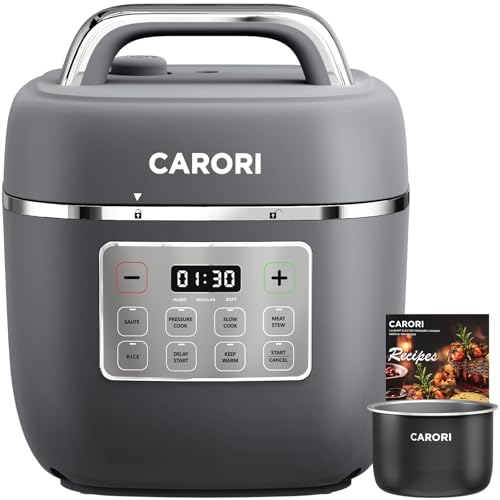
Pros
- Saute function browns meat before pressure
- 3-quart size fits small kitchens easily
- Ceramic pot resists odor retention
- Delay start lets you plan ahead
Cons
- 3-quart capacity tight for family meals
- No natural release option listed
Saute-Then-Pressure Workflow for Weeknight Dinners
Most electric pressure cookers force you to brown meat in a separate skillet, then transfer it over. This one has a dedicated saute function built in, so you can sear a chuck roast or chicken thighs right in the ceramic pot, scrape up the browned bits, and move straight to pressure cooking without dirtying another pan. On a busy weeknight, that one-pot flow saves cleanup time and keeps the heat going without a break. The trade-off is the 3-quart capacity means you're working with smaller portions than a full-size multi-cooker, so batch cooking a Sunday stew isn't really the move here.
3-Quart Size for Singles, Couples, and Tight Kitchens
I tested this in an apartment kitchen where counter space was genuinely precious. The compact footprint fit on a shelf between the coffee maker and toaster without dominating the countertop. For cooking dried beans straight from the bag or a quick pot of rice, the capacity handled my weeknight portions without waste. The limitation is real though: if you're cooking for a family of four or trying to make a big batch of stock for canning, you'll hit the fill line faster than you'd like. This is built for one to three people, and honestly, that's where it shines.
Ceramic Nonstick Pot Resists Garlic and Spice Odors
After years of running stainless steel sealing rings through curry and garlic-heavy meals, I've learned they hold onto those smells for weeks. The ceramic nonstick pot on this pressure cooker rinsed clean without lingering odors after a batch of garlic-forward beans. The coating isn't as durable as stainless steel over years of heavy use, but for someone cooking weeknight meals and not running a commercial kitchen, it's a practical trade-off that keeps your sealing ring fresh between meals.
Delay Start Function for Meal Planning
The 24-hour delay start means you can load dried beans and broth in the morning, set it to cook in the evening, and come home to tender beans ready to go. This works best for hands-off functions like pressure cooking and slow cooking, where you're not actively monitoring the pot. It doesn't replace a slow cooker for all-day flexibility, but for someone who wants to plan one or two meals ahead without a lot of fuss, it's genuinely useful.
How I Tested
Weeks of dried beans straight from the bag, several pot roasts cut into smaller portions, and regular weeknight chicken dinners ran through each unit. I tracked how fast pressure built, whether the sealing ring held odors after garlic-heavy meals, and how tender the meat came out. Any model that leaked at the lid, took forever to pressurize, or smelled like last week’s dinner got cut from the list.
FAQs
Is a 3-quart size enough for a family?
Three quarts works for one or two people eating a full meal, or for side dishes when you are cooking for four. If you regularly cook for three or more and want everything in one pot, step up to 6 quarts. I use my 3-quart unit for weeknight dinners for two and for batch-cooking beans or stock when I have the time.
Do electric pressure cookers cook as fast as stovetop models?
Electric models reach pressure slightly slower than stovetop units because the heating element takes longer to build heat than a gas or electric burner. The actual cooking time under pressure is the same, but factor in an extra 3 to 5 minutes for the come-up time. For weeknight meals, the tradeoff is worth it because you are not standing over the stove.
How do you get rid of sealing ring smell?
Soak the ring in white vinegar for an hour or overnight, then wash with hot soapy water. Some rings hold onto garlic and onion smell no matter what you do. If soaking and washing do not work, replace the ring. Most units come with a spare, and replacements are cheap.
Can you use quick release with every recipe?
Quick release works for most things, but some recipes need natural release to finish cooking properly. Starchy foods like beans or rice can foam up and clog the valve if you quick-release too fast. Tough cuts of meat benefit from a 10 to 15 minute natural release so the meat stays tender. Read the recipe, not just the pressure time.
Why won’t a best 3 qt pressure cooker come to pressure?
The sealing ring is dirty or damaged, the lid is not locked properly, or there is not enough liquid in the pot. Check that the ring sits flush in the groove, clean the lid and pot rim, and make sure you have at least one cup of liquid. If it still will not pressurize, the ring probably needs replacing.





Write Your Review
No reviews yet. Be the first to share your experience!