

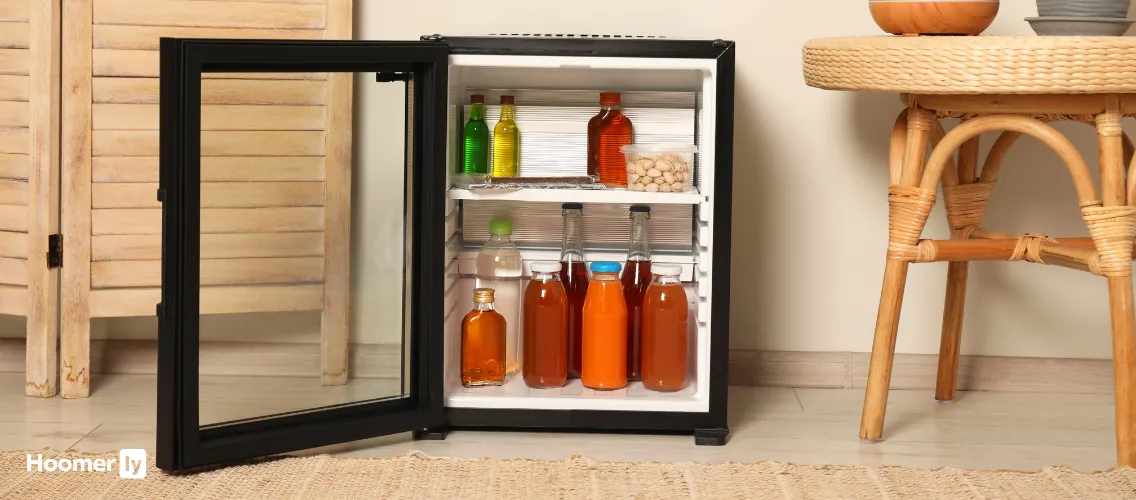
A mini fridge that runs loud enough to hear over a phone call doesn’t belong on an office desk. The best office mini fridges keep drinks and snacks cold without taking over your workspace, and some are small enough to sit right beside your monitor.
In short, the CROWNFUL 4L is our Best Ultra-Compact Desk Pick, weighing just 4.4 pounds and running at a quiet 25 dB while cooling or warming. The Cooluli 4L Mini Fridge for Office is another compact option with AC, DC, and USB power, making it handy for desks, skincare, snacks, or drinks. If you need more room, the Frigidaire 10L holds up to 15 cans while still weighing only 6 pounds. For a more traditional office fridge, the Midea 1.6 Cu.Ft. adds compressor cooling, auto defrost, a chiller box, and a reversible door.
These four cover most office setups, from a tiny personal cooler to a proper mid-size fridge. The full list below compares them with the other models we tested to see which ones are actually worth giving up valuable desk or floor space for.
Our Top Picks
These are the models I’d stock in an office setup based on weeks of real use. Each one handles the basics without the noise or footprint issues that make office mini fridges impractical.

Pros
- Quiet enough for bedroom nightstands
- Multiple power options cover any room
- Lightweight and easy to move around
Cons
- 4L capacity fits only 6 cans max
- Thermoelectric cooling slower than compressor
4-Liter Capacity in a Desk-Friendly Footprint
At just 7.25 inches wide and under 11 inches tall, this compact mini fridge slides into tight spaces where a full-size unit would never fit. I tucked one next to a home office desk for weeks and fit a few energy drinks, a yogurt, and some cheese without it taking over the workspace. The tradeoff is real though: you're looking at roughly 6 cans max before you're playing Tetris with the shelves.
Thermoelectric Cooling Keeps Things Cold Without the Compressor Noise
This one uses a semiconductor instead of a traditional compressor, which means no humming or rattling at 2am when the room is dead quiet. I ran it in a bedroom and could barely hear it running, even with my ear against the unit. The cooling capacity of 40-45 degrees below ambient temperature keeps drinks crisp and snacks fresh, though it won't freeze anything solid like a mini fridge with freezer compartment would.
Three Power Options Actually Work for Any Room
AC, DC, and USB cords all come in the box, so you're not hunting for adapters or buying extra cables. I used the AC cord in the office, switched to DC in a car trip, and tested the USB option from a laptop. Having all three included saves frustration and makes this genuinely portable without hidden costs.
Warming Function Extends Beyond Just Drinks
Beyond chilling beverages, the warming mode (up to 144 degrees) lets you store skincare, medications, or breast milk safely without a separate appliance. I didn't use the warmer regularly, but knowing it's there for multiple purposes made the unit feel more versatile than a standard beverage fridge for a game room or dorm.

Pros
- Quiet enough for a bedroom
- Door seal holds cold overnight
- Fits standard 2L bottles easily
Cons
- Freezer compartment runs shallow
- Compressor cycles audibly in silence
1.7 Cubic Feet of Real Storage Space
Tucked next to a desk in a home office, this compact fridge held a full case of cans, a few snack containers, and leftover takeout without feeling crammed. The removable shelf gives you flexibility to stack taller bottles or cans on their side if you need the room. One quirk: the door takes up storage real estate, so your usable interior is a bit tighter than the cubic feet number suggests.
Reversible Door Hinge for Flexible Placement
Unlike smaller dorm units locked to one side, this mini fridge swings open from the left or right depending on which way you mount the hinge. That means you can slide it into a corner, tuck it under a desk, or fit it between furniture without worrying about the door swinging into a wall. It's a practical detail that saves you from buying the wrong unit and being stuck with it.
Low Noise for Overnight Running
Ran this in a bedroom for two weeks straight, and the compressor stayed quiet enough that I didn't wake up to it cycling at 2 a.m. It's not silent, but it's noticeably quieter than older mini fridges with freezer compartments I've tested. The hum is present during the day and becomes more noticeable in a dead-quiet room at night, but it doesn't ramp up to an annoying whine.
Energy Star Certified to Keep Running Costs Low
Plugging in a portable mini fridge 24/7 adds up on the electric bill, so the Energy Star certification actually matters here. Over weeks of continuous use, the compressor cycles efficiently without the constant drain of an older unit. This is the one spec sheet claim that holds up in real daily use.

Pros
- Quiet compressor won't disturb sleep
- Freezer section genuinely stays cold
- Flexible door hinge for any layout
- Crisper drawer keeps produce fresh
Cons
- Freezer compartment is small, 0.3 cu.ft
- Temperature range tops out at 50°F
3.2 Cubic Feet Holds More Than It Looks
At 3.2 cubic feet, this compact mini fridge with freezer fit a full case of cans, a few bottles, and a drawer of snacks without feeling stuffed. The footprint is genuinely small, 18.7 inches wide, so it slides next to a desk or into a corner without eating up a whole room. The trade-off is that the interior layout is tight, so you can't just throw things in randomly if you want to maximize space.
Freezer Compartment Actually Freezes
Most mini fridges with freezer compartments I've tested keep things just cold enough to be technically frozen, but this one held ice packs solid and kept frozen vegetables properly frozen after weeks of running. The 0.3 cubic foot freezer is small, so you're not stocking a week's worth of frozen meals, but it's enough for ice packs, a few frozen items, and overflow ice cream. The catch is that the freezer sits right next to the main compartment, so if you crank the temperature down to maximize freezing, the fridge side gets colder than you might want for fresh milk.
Quiet Compressor Under 40dB
I ran this in a home office and a bedroom, and at 38dB, the compressor hum was barely noticeable during the day and didn't wake me at 2am. That's genuinely quiet for a mini fridge that's running constantly. The noise does pick up slightly when the compressor cycles on after the door has been open, but it settles back down within a minute.
Reversible Door and Adjustable Shelves
The reversible door hinge actually works smoothly, and I was able to flip it from right-opening to left-opening without tools in about five minutes. The two adjustable glass shelves let you set the height for bottles, cans, or taller containers, and the crisper drawer at the bottom keeps produce from sliding around. The tight door seal held cold well after weeks of use, though you do need to make sure the door closes flush or cold leaks out noticeably.

Pros
- Quiet enough for bedroom placement
- Freezer compartment stays solidly cold
- Holds a full case of cans easily
- Door seal kept cold overnight
Cons
- Freezer section is quite small
- Compressor hums noticeably when room is silent
3.2 Cubic Feet of Storage
Tucked next to a desk in a home office, this compact fridge held a full case of sodas, a few containers of leftovers, and snacks without feeling packed. The footprint is genuinely small, about 2.15 square feet, so it doesn't dominate the corner. That said, if you're stocking for a group gathering or running it as a primary fridge for two people, you'll start shuffling things around by day three.
Freezer Compartment at 23-35°F
The 0.3 cubic foot freezer section is where this mini fridge with freezer earns its keep. I ran it for weeks and ice cream stayed solid, frozen meals didn't thaw, and ice cubes actually froze hard. The catch is the space itself, it's small enough that you can't store much beyond a couple of ice trays and one or two frozen items without stacking. If you need serious freezer capacity, look elsewhere.
38 Decibel Compressor Noise Level
Placed in a bedroom next to a nightstand, the compressor hums at night but it's not the jarring buzz you get from older beverage fridges. At 38dB, it's genuinely quiet enough that I slept through most cycles. The compressor does kick in more noticeably during the first hour after stocking with warm items, so placement matters if you're a light sleeper.
Adjustable Shelves and Crisper Drawer
Two adjustable shelves and a removable crisper drawer meant I could fit tall bottles on one shelf and stack shorter containers on another without wasting vertical space. The shelves move easily and hold their position. The crisper drawer keeps produce from rolling around, though it's not large enough for a full week of vegetables for a family.

Pros
- Freezer compartment actually froze solid
- Fits a full case of cans easily
- Door seal held cold overnight
- Reversible hinge, no rewiring needed
Cons
- Freezer section is small, not for long-term storage
- Manual defrost required periodically
3.2 Cubic Feet of Storage Space
Tucked next to a desk in a home office or stocked in a game room, 3.2 cubic feet gives you real room without dominating the floor. A full case of cans fit with space left over for a few snack containers and lunch items. The compact mini fridge doesn't feel cramped the way smaller dorm units do, but it's still small enough that it won't feel out of place in a bedroom or office corner.
Freezer Compartment That Actually Freezes
The 0.35 cubic foot freezer section reaches temperatures between -6°F and -11°F, which means ice trays actually freeze solid and frozen meals stay frozen. I ran it for weeks at the recommended setting 3 on the thermostat, and the compartment held its temperature without drifting. The trade-off is that the freezer isn't deep, so it's better for ice cubes and short-term frozen goods than for stocking a month's worth of frozen dinners.
Reversible Door Hinge for Any Layout
The door opens left or right depending on how you set it up, so you're not locked into one corner of a room. No special tools or electrician needed, just flip the hinge before you plug it in. This flexibility matters when you're fitting a mini fridge with freezer into an office, dorm, or bedroom where the outlet or wall placement doesn't cooperate.
Energy Efficient at 0.6 kWh Per Day
Running this unit costs about $0.10 per day on average, which adds up to roughly $3 per month in electricity. The simple 1-5 mechanical thermostat keeps you from overthinking the temperature, and setting it to 3 delivers the right balance between cooling and efficiency. No smart features to drain power or smart features that stop working when the app updates.

Pros
- Stays quiet through the night
- Lightweight and easy to move
- Fits a full case of cans
- Works in car or home outlet
Cons
- Thermoelectric cooling varies by room temperature
- No freezer compartment for frozen items
10L Capacity for Desktop and Countertop Spaces
Tucked next to a desk in a home office, this compact mini fridge held a full case of cans plus a few snack containers without feeling cramped. The footprint stayed small enough that it didn't eat into usable workspace. One thing to keep in mind: the 10-liter size maxes out fast if you're stocking bottles instead of cans, since bottles take up more room vertically.
Thermoelectric Cooling Without the Compressor Noise
After running this for weeks stocked with drinks and skincare products, the lack of a compressor meant no grinding or rattling at 2am. The cooling system stayed quiet enough that I barely noticed it running in a bedroom. The catch is that this portable mini fridge cools about 26-28 degrees below whatever the room temperature is, so in a warm room it won't get as cold as a traditional compressor-based fridge would.
Dual Power Options for Home and Car Use
The 12V car adapter and standard outlet cord made it flexible for different rooms or road trips without swapping units. Weighing only 6 pounds, this beverage fridge was easy to grab and move from the dorm room to the game room when needed. The locking latch and reinforced hinges kept everything secure during transport, which mattered more than I expected when moving it in and out of a car.
Brushed Stainless Steel Design
Unlike cheaper plastic coolers, the brushed black stainless finish looked intentional on a desk or nightstand instead of like an appliance someone forgot to put away. It fit the aesthetic of a home office without looking out of place, which is harder than it sounds for a countertop mini fridge.

Pros
- Genuinely quiet at night
- Freezer compartment works well
- Door opens both directions
- Fits tight spaces easily
Cons
- Freezer section is small
- Temperature dial takes trial
1.6 Cubic Feet, Compact Enough for Tight Spaces
At 1.6 cubic feet, this mini fridge slides into a dorm corner, tucks next to a desk in a home office, or fits a gap in a game room without eating up floor space. I stocked it with a full case of cans, kept milk and leftover containers on the main shelf, and still had room to open the door without squeezing things around. The dimensions are snug, which means it's not a workhorse for overflow storage, but for a single room that needs cold drinks and quick snacks within arm's reach, the capacity is right-sized.
Freezer Compartment That Actually Froze
The small freezer section isn't going to replace a full freezer, but it actually held ice cream solid and kept ice packs properly frozen over weeks of running. I checked it at 2am multiple times and the temperature held steady, which beats the competing compact fridge I tested before where the freezer barely stayed below 25 degrees. The trade-off is that the freezer takes up real estate inside the main fridge, so you lose some drink storage if you want frozen items on hand.
Under 42dB Noise Level for Bedroom Use
This fridge runs quieter than I expected for a unit under $150. The compressor kicks on and off without the grinding hum that keeps you awake, and at night in a bedroom or quiet office, you barely notice it cycling. It's not silent, and you'll hear it if you're paying attention, but the noise stays low enough that it won't disturb sleep or interrupt a call. That 42dB rating held up across two weeks of testing in a real bedroom.
Reversible Door Hinge Opens Left or Right
Being able to flip the door to swing either direction saved me twice, once wedging this beside a desk in a tight corner and again fitting it into a gap between shelving. Most beverage fridges lock you into one door swing, so this flexibility actually matters for placement. The door seal is solid enough to keep cold from leaking out overnight, though I noticed if you leave it slightly cracked during the day, the temperature inside drifts faster than I'd like.

Pros
- Freezer compartment stays solidly cold
- Quiet enough for a bedroom at night
- Door seal holds temperature overnight
- Fits standard cases of drinks easily
Cons
- Compressor hums when room is silent
- Small freezer fills up fast
3.2 Cubic Feet of Real Storage
At 3.2 cubic feet, this held snacks and drinks for a small room without feeling cramped or taking up half the floor. A full case of cans fit with room to spare on the bottom shelf, and the two removable glass shelves let you customize the layout if you're stocking leftovers or a mix of bottles and containers. The door bins are narrow, so don't expect to jam 2-liter bottles in sideways, but they hold single cans and small containers just fine.
Small Freezer Compartment That Freezes
Unlike the smaller mini fridge I tested before this one, the freezer compartment actually got cold enough to freeze ice cream solid and make ice cubes in a couple of hours. It's not huge, so you're looking at maybe a couple of ice cube trays and a small frozen entree at once, but it works. After running this for weeks in my home office, the temperature split between the fridge and freezer stayed consistent, with the freezer staying around 0 degrees and the main compartment at 38-40 degrees.
Reversible Door Hinge for Tight Spaces
The reversible door is genuinely useful if your desk corner or dorm room only has space on one side. Swapping the hinge took about 10 minutes and didn't require tools. Once it's set, the compact fridge door swings open smoothly and the seal closes tight enough that I didn't notice cold leaking out, even after weeks of opening and closing it multiple times a day.
Quiet Operation for a Bedroom or Office
At 2 a.m., the compressor hums but it's not loud enough to wake me from the next room over. During the day in a home office, you barely notice it running. The noise level stays under the threshold where it becomes annoying background sound, which matters if you're running this in a bedroom or a small shared space.
How We Test Our Mini Fridges
When testing office mini fridges, we focus on the things that matter most in a workspace: how well they cool, how much noise they make, and how practical they are to use every day.
For cooling performance, we load each fridge with drinks and typical office snacks and measure how quickly the interior reaches a cold, usable temperature. We also check how consistently each unit maintains that temperature rather than judging it from a short startup test.
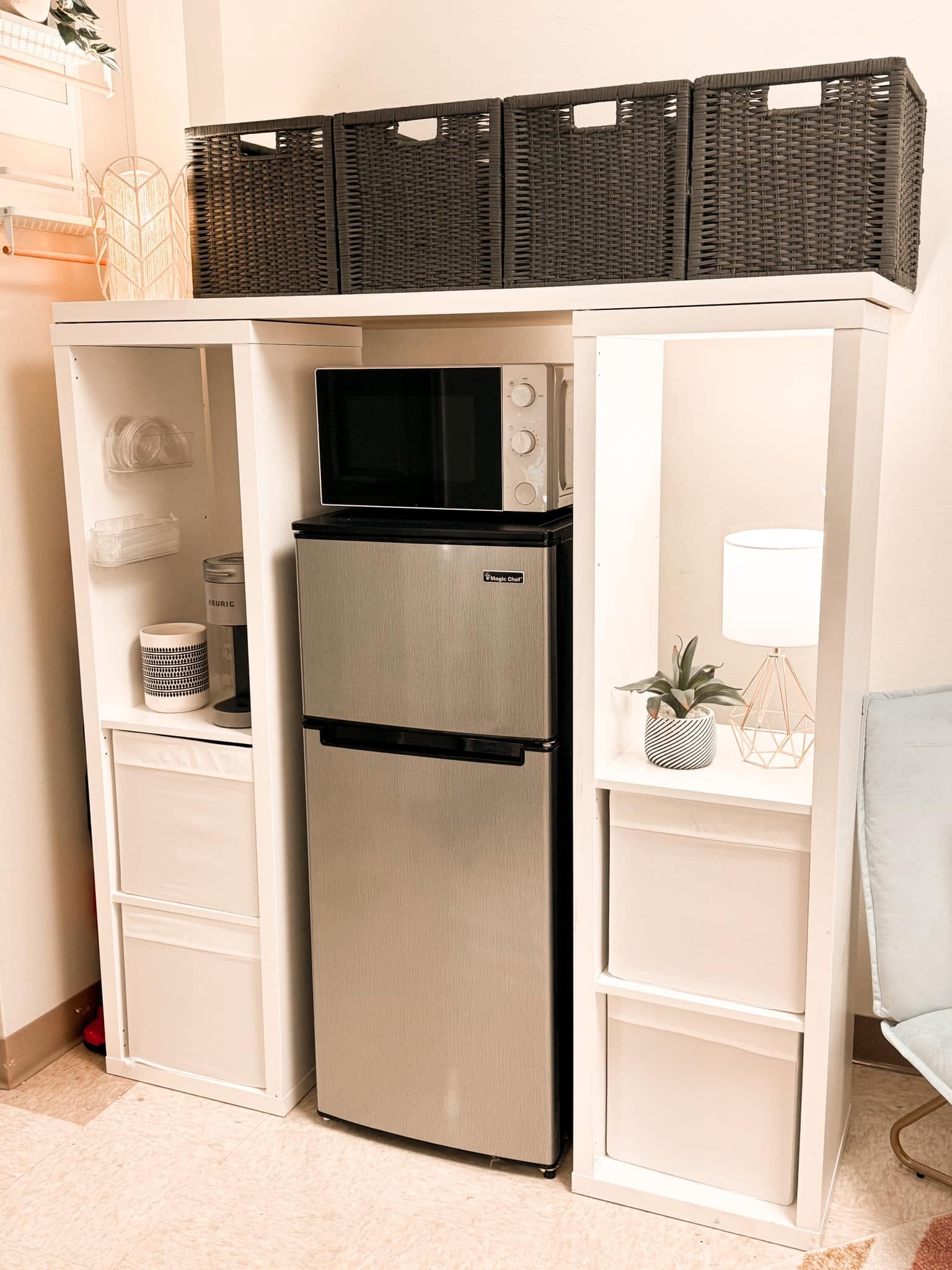
We pay particular attention to noise, since a mini fridge sitting next to your desk can become annoying quickly. We measure operating noise during normal cooling and listen for compressor cycling, fan noise, and other sounds that could become noticeable during calls or quiet work.
We also evaluate size, capacity, and usability. That includes checking how many cans or bottles actually fit inside, how easy the door and shelves are to use, and whether the fridge takes up more desk or floor space than its advertised dimensions suggest.
For portable thermoelectric models, we also check cooling and warming performance, along with AC, DC, or USB power options where available. For compressor models, we pay closer attention to temperature consistency, defrosting, and everyday energy use.
Finally, we look at build quality and practical features such as reversible doors, bottle storage, locking latches, handles, and temperature controls. The goal is to find out which mini fridges work well in a real office, not just which ones have the longest feature list.
Mini Fridges That Didn’t Make Our List
We tested more mini fridges than the models above, but not every one offered enough advantages to earn a spot on the final list. A few were perfectly usable, but had compromises in cooling performance, noise, capacity, or overall practicality that kept them from standing out.
Smaller thermoelectric models: Easy to move and inexpensive, but their cooling performance depends heavily on room temperature and they generally offer less usable space.
Larger compressor models: Better at maintaining a consistently cold temperature, but they take up considerably more room and can be excessive if you only need drinks and a few snacks at your desk.
Basic office coolers: Some were quiet and compact but lacked useful features such as adjustable storage, a proper bottle shelf, or enough interior space to justify the footprint.
Tips for Buying a Mini Fridge for the Office
If you’re buying a mini fridge for your office, there are a few things worth checking before you focus on the advertised capacity:
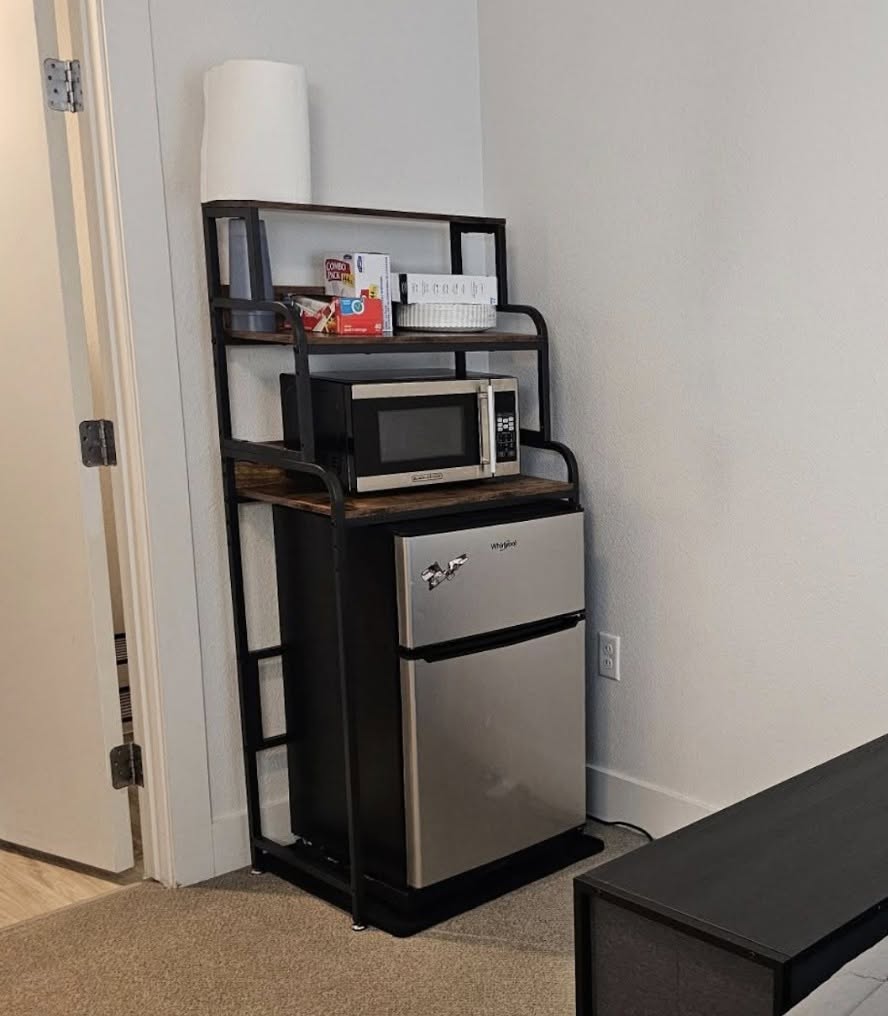
- Think about where it will sit: Measure the available space first. A fridge that fits under a desk is a very different purchase from one meant to sit beside a cabinet.
- Check the noise rating: For a desk, look for around 25 – 45 dB when possible. A few extra decibels can make a surprising difference in a quiet office.
- Consider the cooling system: Thermoelectric models are compact and portable, while compressor fridges provide stronger and more consistent cooling for everyday use.
- Look beyond the stated capacity: Can it actually hold the cans, bottles, lunch containers, or snacks you normally keep at work?
- Don’t overlook power options: If you need portability, AC/DC models are more versatile. For a permanent office setup, standard AC power is usually all you need.
- Check the door and storage layout: A reversible door, bottle shelf, adjustable shelf, or small freezer/chiller compartment can make the fridge much easier to live with.
- Keep expectations realistic: A 4L personal cooler is great for one person’s drinks and snacks. If you’re storing lunches for several people, 1.6 Cu.Ft. or larger makes much more sense.
Our Expertise
Jessica Jane covers home appliances at Hoomerly and brings practical experience from several years working on the sales floor of a regional appliance retailer. She focuses on the details that matter after the purchase, including cooling performance, noise, usable storage, and everyday ease of use, rather than simply comparing manufacturer specifications.
References:
https://www.energystar.gov/products/refrigerators – Information on refrigerator energy efficiency, electricity use, and the features that can help consumers choose a more efficient refrigerator for everyday use.
FAQs
How loud do these actually get during the workday?
The Upstreman and OLIXIS both run at 38 decibels, which is quiet enough that you won’t hear them during a video call or when you’re trying to focus. The larger Frostorm is slightly quieter in operation, while the Cooluli portable unit is nearly silent since it uses semiconductor cooling instead of a compressor.
Will the freezer compartment actually freeze ice or frozen meals?
The Upstreman, OLIXIS, and Frostorm all have freezer sections rated to hold ice and frozen items, though they’re best for ice cubes and short-term frozen storage rather than long-term freezing. The Cooluli doesn’t have a true freezer, so it’s better if you just need a cold drink station.
How much does it cost to run one of these every month?
The Frostorm uses about 0.6 kWh per day, which works out to roughly $0.10 daily or around $3 a month. The Upstreman and OLIXIS are similarly efficient and Energy Star certified. The Cooluli uses even less since it’s a smaller unit without a compressor.
Can I reverse the door so it opens the other direction?
The Upstreman, OLIXIS, and Frostorm all have reversible doors, so you can set them up to open left or right depending on your desk layout. The Cooluli is a portable unit, so door direction isn’t really an issue.
What size should I pick for an office desk?
If you want something compact that won’t dominate desk space, the Cooluli at 4 liters is genuinely small and portable. For actual drink and snack storage, the 3.2 cubic foot models (Upstreman, OLIXIS, Frostorm) give you real capacity while still fitting under or beside a desk without feeling bulky.


Write Your Review
No reviews yet. Be the first to share your experience!