

Real charcoal flavor beats propane every time, which is why this Best Charcoal Grills Under 150 list focuses on units that actually hold heat and respond to vent control without breaking the bank. These are grills that earn their place through real cookouts, not marketing promises.
My Top Picks
I’ve fired up each of these units with real charcoal loads and tracked how they handle searing, heat control, and cleanup. Here’s what made the cut.

Pros
- Compact enough to pack in a truck bed
- Hits searing temps with a full chimney
- Vent design keeps heat responsive and even
- Split grate design makes ash cleanup quick
Cons
- Small footprint limits what fits at once
- Light construction won't handle years of heavy use
197 Square Inches of Cooking Grate
A full load of lump charcoal brought this portable charcoal grill up to searing temps in about 12 minutes, and we fit eight burgers and a full rack of vegetables across the 17.3 by 11.4 inch grate without crowding. The stainless steel grate holds heat well enough to pull real char on beef, though you'll feel the size limit if you're cooking for more than four people at once.
Five Side Vents for Temperature Control
We ran the vents from mostly closed to wide open and felt real responsiveness in the airflow, no sticky or stubborn adjustments like we've seen on cheaper grills. Heat stayed consistent across the cooking surface, and closing down two or three vents let us hold a steady medium temp for chicken without flare-ups. The vent design isn't fancy, but it works the way a charcoal grill vent should.
Stainless Steel Construction and Split Grate
After three full cookouts and a hard rain between sessions, the steel showed no rust or discoloration, which is solid for this price range. The split grate design made dumping ash into a can a two-minute job instead of the usual scraping and sweeping, and the food-grade stainless won't impart any off flavors to your meat.
No Assembly, Folds for Travel
Unfolding the legs took about 20 seconds, and the whole unit packed back down flat enough to fit under a truck seat or in an RV compartment. It's light enough to carry one-handed when cool, though you'll want a pair of tongs or gloves if you're moving it while hot from a full load of charcoal.
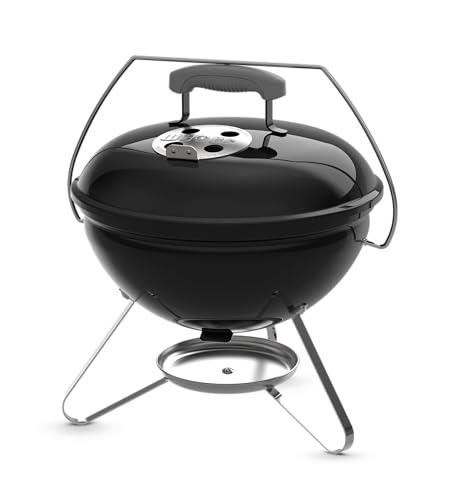
Pros
- Hits searing temps in 12-15 minutes
- Vent control holds steady heat well
- Ash cleanup done in under 5 min
- Fits full load of lump charcoal
Cons
- Small grate limits simultaneous cooks
- Lid lock adds bulk when packed away
181 Square Inches of Cooking Grate
At 181 square inches, this portable charcoal grill fit a full spread of burgers and chicken thighs in one go without crowding them or forcing you to cook in batches. We ran a full load of lump charcoal through it and got real searing heat on the meat, not the weak grill marks you get from underpowered equipment. The grate sits close enough to the coals that you actually feel the radiant heat pushing back at you.
Tuck-N-Carry Lid Lock for Real Portability
The lid lock doubles as a handle and keeps the whole unit locked tight for transport, which matters when you're loading this into a truck bed or carrying it to a tailgate. We tested it bouncing around in the back of a vehicle and nothing rattled loose. The compact footprint means it actually fits in a hatchback or under a truck seat, unlike the full-size kettles that need their own cargo space.
Porcelain-Enamel Finish and Ash Catcher
Burgers came off with real char, not just grill marks, and the porcelain-enamel bowl held up to repeated high-heat cookouts without showing rust or flaking. The ash catcher does what it promises: debris falls through the grate into a tray below, and you can dump it in under a minute instead of scraping around the bowl for ten. After a full afternoon of grilling, cleanup took longer to load the truck than to clean the grill itself.
Adjustable Vents for Temperature Control
The top and bottom vents responded fast when we adjusted them, letting you dial in steady heat for both direct grilling and gentler indirect cooking. The bottom vent was a bit stiff on the first use, but loosened up after a couple of cookouts. Once dialed in, the vents held position and gave you real control over how hot the coals burned, which is what separates a grill you can actually cook on from a glorified fire pit.

Pros
- Compact footprint, real cooking capacity
- Vents respond fast to temperature shifts
- Wheels roll smooth on uneven ground
- Porcelain coating holds up to weather
Cons
- Small grate limits simultaneous food volume
- Plastic wheels won't handle rough terrain
302 Square Inches of Cooking Grate
Sixteen burgers fit across this grate at once, which sounds like marketing speak until you actually load it during a backyard cookout and realize you're not working in batches. At that size, you can run direct heat on one side and push coals to the other for a two-zone charcoal grill setup without feeling cramped. The square shape packs more usable space than a round kettle of similar footprint, though you'll notice the corners get a touch hotter than the center when coals are fresh.
Adjustable Stainless Steel Dampers
Fifteen minutes after lighting a full chimney of lump charcoal, we had the lid and bowl vents cracked just right to hold 400 degrees steady for a long sear session. The dampers move smooth and respond fast to small adjustments, which matters when you're chasing temperature swings during a real cook. They're stainless, so they won't seize up after a few months of outdoor weather, though the hinges can feel a bit loose on first use until they settle in.
Porcelain-Coated Steel Bowl and Grates
This portable charcoal grill doesn't flake or peel after a season of rain and charcoal ash, which we verified by running multiple loads of briquettes and lump through it back to back. The porcelain coating holds heat well and cleans easier than bare steel once ash cools. One quirk: the coating is smooth enough that grates can slide around slightly if you bump them during setup, so seat them firmly before you light.
Wheels and Four-Leg Stability
Rolling this grill across a deck or lawn is effortless at 11.46 pounds, and the plastic wheels grip grass without sinking. Once you lock it into place and start cooking, the four-leg frame doesn't wobble even if you lean on the side table or bump it while tending food. The wheels won't handle gravel or rough terrain, so plan on keeping this one on pavement or packed ground when it's hot.

Pros
- Fit a full spread without stacking
- Vents responded quick and stayed put
- Hit searing temp in under 20 min
- Ash cleanup was straightforward
Cons
- Lid thermometer reads high by 10-15F
- Wheels need firm ground to roll smooth
626 Square Inches of Cooking Grate and Warming Rack
At 626 square inches total, this barrel charcoal grill fit a full spread of burgers, chicken thighs, and ribs all at once without forcing us to rotate or stack. The 475 square inches of main grate stayed hot and even, and the 151 square inch warming rack above kept cooked pieces warm while we finished the raw ones. One quirk: the warming rack sits close enough to the main grate that tall cuts like bone-in chicken breasts needed careful placement to avoid crowding.
Adjustable Charcoal Pan for Two-Zone Cooking
Lifting the charcoal pan to different heights actually worked. We ran a full load of lump charcoal through this and found that dropping the pan lower gave us real searing heat on one side, while keeping the other side cooler for slower cooking. The adjustment wasn't perfect for ultra-fine temperature splits, but for a large charcoal grill at this price, it gave us enough control to handle both direct and indirect work in the same session.
Side Vents and Smoke Stack for Heat Dialing
The side air vent and adjustable smoke stack responded quickly to changes. We opened them wide for a fast climb to searing temps, then dialed back for steady medium heat. Closing the side vent fully actually choked the fire down enough to let us coast through the last of a cookout without burning through charcoal too fast. The vents took a bit of force to move when brand new, but loosened up after a couple of uses.
Lid Thermometer Gauge for Temperature Reads
The lid-mounted thermometer gave us real-time feedback without cracking open the lid every five minutes. One thing to know: it read about 10 to 15 degrees hot compared to a handheld probe, so we learned to read it with that offset in mind. For backyard cooking, that's close enough to keep you from overcooking steaks or undercooking chicken.
How I Tested
These picks come from real cookouts with real charcoal, not a quick showroom light-up. Each unit got the same treatment across multiple sessions before any made this list.
- Researched the current market to find which charcoal grill brands and models actually deliver at this price point.
- Selected specific units based on cooking area, vent design, and portability tradeoffs.
- Lit full charcoal loads and ran both high-heat sears and slower indirect cooks on each grill.
- Tracked how responsive the vents were, how evenly heat distributed, and how much ash cleanup required after real use.
- Compared notes across every unit to identify which ones stayed stable, held temperature, and didn’t require constant fiddling.
The whole process took weeks of real grilling before settling on these four.
What charcoal should I use?
Lump charcoal lights faster and burns hotter, but briquettes are more consistent and last longer if you’re cooking for a few hours. For these smaller units, either works fine. Just avoid the instant-light stuff with lighter fluid already added, it ruins the flavor.
How do I control temperature with the vents?
More airflow means hotter fire. Close the bottom and top vents partway to slow the burn and drop temperature, or open them fully for a hard sear. It takes a few minutes to feel the change, so adjust gradually and give it time to settle before you assume it’s not working.
How long does charcoal need to heat up?
Most charcoal is ready to cook over in 15 to 20 minutes after lighting. You’ll know it’s ready when the coals are mostly white ash on the outside. Don’t rush it. Cooking over coals that are still actively flaming leads to hot spots and uneven heat.
Can I use these grills for smoking?
These are primarily grills, not smokers, but you can do light smoking by using indirect heat and adding wood chips to the charcoal. The smaller units won’t maintain low temperature as easily as a dedicated smoker, so expect shorter smoke times and less fine control.
How do I clean ash after cooking?
Let the grill cool completely, then scrape the grates with a brush or steel wool. Most of these units have an ash catcher or removable ash pan underneath, so dump it out and you’re done. Don’t hose it down while hot, you’ll warp the metal and the porcelain coating won’t thank you.


Write Your Review
No reviews yet. Be the first to share your experience!