

A real sear and steady heat beat a spec sheet every time, which is why this best charcoal grills for beginner list focuses on forgiving vent control and reliable performance over complexity. These are the units that let you learn fire without fighting the grill itself.
Our Top Picks
Real charcoal flavor doesn’t require a steep learning curve. Here are the grills that prove it.

Pros
- Offset chamber separates fire from food
- Adjustable grate height for temp control
- Large cooking surface for full loads
- Side door access without lifting lid
Cons
- Charcoal management takes practice
- Bottom shelf limited to 20 lb capacity
823 Square Inches Splits Grill and Smoker Duties
Running a full brisket alongside ribs and chicken thighs at once means you're not rotating racks halfway through or running a second cook after dark. The 475 square inches of main grates plus the 197 square inch offset smoker chamber gives you real flexibility when you've got a full day planned. The warming rack adds another 151 square inches if you need to hold finished meat or keep sausages warm, though space gets tight once you're stacking everything.
Offset Firebox Keeps Heat and Smoke Separated
Six hours into a pork shoulder, the offset charcoal smoker chamber was still pulling steady smoke across the main grates without the direct heat blasting your meat dry. The design forces air and smoke to travel across the food before venting, which is how you build a real smoke ring instead of just a pink tint. The side door for charcoal refills means you don't crack the main lid every time you need to feed the fire, so temperature swings stay minimal once you dial in the airflow.
Two-Level Charcoal Pan Gives You Real Temperature Control
Moving the charcoal basket up or down changes the distance between your heat source and the grates, which is the most direct way to manage temperature on a charcoal grill without buying a digital controller. We ran a 12-hour brisket with the pan set low for the first six hours to establish a solid crust, then raised it slightly to drop the temperature as the meat pushed through the stall. The learning curve is real though. You'll need a few cooks to feel confident predicting how much each adjustment changes your actual pit temperature.
Lid Thermometer Keeps You Honest About Temperature Swings
The built-in thermometer reads fast enough to catch the temperature dips when you open the side door to add charcoal or when wind picks up outside. It won't replace a quality meat thermometer or a wireless probe, but it gives you constant feedback on what the chamber is actually doing across the hours. Most backyard cooks underestimate how much their temperature fluctuates during a long cook, and this dial makes those swings visible so you can adjust the airflow vents before your meat suffers.
Pros
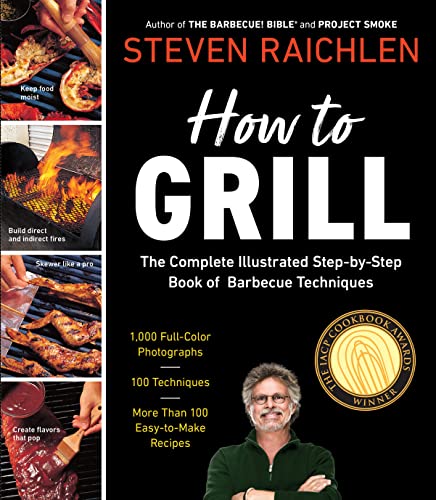
- Techniques grounded in actual cookout experience
- Clear illustrations show what to do, not just theory
- Covers charcoal grill fundamentals thoroughly
- Practical recipes you can run through real fire
Cons
- Focused on charcoal, limited gas grill content
- No equipment-specific troubleshooting guide
Built on Real Cookout Experience
This isn't a book written by someone who tested recipes in a test kitchen and handed them off to a photographer. Steven Raichlen spent years actually cooking over fire, which means the techniques work when you're standing in front of a charcoal grill with real wind, real temperature swings, and a full load of lump charcoal burning down. The methods are straightforward because they have to be.
Temperature Control and Vent Management
One of the biggest gaps between a backyard cook and someone who can hold steady heat through a full cookout is understanding how your vents actually control temperature. This book walks you through the mechanics of direct and indirect heat setup, two-zone cooking, and how to read your grill's behavior instead of guessing. You'll learn why vent responsiveness matters, though you'll still need to dial in your specific grill's quirks on your own.
Charcoal Grilling Fundamentals
From lighting a proper charcoal chimney to managing ash buildup and fuel efficiency across a long cook, the book covers what actually happens over charcoal fire. The illustrations show the real setup, not just a generic diagram. If you've been winging it on fuel load and heat zones, this gives you a framework that works across different grill sizes and styles.
Recipes That Translate to Your Grill
The recipes aren't written for perfect conditions. They account for real variables like how long it takes to come up to searing temperature, how charcoal burns down mid-cook, and how to adjust timing when the weather isn't cooperating. You'll find yourself actually running these on your grill instead of flipping past them looking for something simpler.

Pros
- Assembles solo in under 15 minutes
- Wheels roll smooth on grass and gravel
- Ash tray empties without spilling mess
- Heats up fast for quick cookouts
Cons
- 18 inches limits a full spread of food
- Smaller charcoal capacity than full-size kettles
18-Inch Cooking Surface for Small Groups
Burgers, chicken thighs, and a few ears of corn fit across this grate without crowding, making it solid for feeding 1-4 people in one pass. You won't fit a full rack of ribs and a brisket at once, but for weeknight dinners and casual weekend cookouts, the portable charcoal grill gives you enough real estate to work with without constant shuffling.
Rapid Heat Buildup with Vent Control
Fifteen minutes after lighting a full charcoal chimney, this kettle grill hits searing temperature fast. The lid and bottom vents respond when you adjust them, letting you dial in direct heat for burgers or dial it back for slower cooks on chicken. Vent adjustments weren't loose or sticky during our cookouts, so temperature hold stayed steady through a full session.
Built-In Ash Collector Cuts Cleanup Time
After running a real load of charcoal through this, the ash collector at the bottom actually catches most of the debris instead of leaving you sweeping around the base. Emptying it took under five minutes, and the grate pulls out cleanly without ash spilling back into the cooking area. It won't eliminate all cleanup, but it takes the worst part out of your evening.
Wheels and Handles Move It Easily Between Spots
At this size and price point, the wheels roll without fighting, and the handles give you a solid grip to haul it from the garage to the backyard or load it for a beach trip. Once the grill cools, moving it around is genuinely easy, which matters if you're setting up for different family gatherings or want to position it in shade during hot afternoons.

Pros
- Large cooking area fits full spreads
- Adjustable grate heights for heat control
- Quick ash pan cleanup after cooking
- Responsive vents for temperature tuning
Cons
- Barrel design makes it harder to move
- New vents need a break-in period
627 Square Inches Across Main and Warming Racks
At 627 total square inches, you get 443 on the main cooking area plus 184 on the chrome-plated warming rack. That's enough room to run burgers and chicken thighs side by side without crowding, or to hold a full rack of ribs while you finish off some smaller cuts on the warming section. The trade-off with a barrel charcoal grill this size is that it takes up real footprint on your patio, and moving it once you've settled it into place isn't a one-person job.
Adjustable Fire Grate with Two Height Settings
The lifting handles on the charcoal pan let you raise or lower the heat source in two distinct positions. We ran a full load of lump charcoal through this and moved the pan up for a hard sear on steaks, then dropped it down to stretch the coals' life for a longer, slower cookout. The adjustment isn't stepless, so you're working with two zones of heat rather than infinite control, but that's honest work for a large charcoal grill at this price point.
Lid-Mounted Temperature Gauge and Responsive Venting
The built-in thermometer reads the air temperature inside the dome, which gives you a real-time sense of whether your heat is climbing or cooling. The side air vent and adjustable smoke stack work together to cut oxygen flow and dial in your target temperature. Close the vent down and the coals settle into a slower burn; open it up and you feel the heat climb noticeably within a few minutes. New vents can stick slightly until they're broken in, but once they loosen up they move smooth.
Easy-Dump Ash Pan for Fast Cleanup
After a full cookout, the ash pan pulls out and dumps in seconds rather than requiring you to scrape grates or fiddle with a small shovel. Porcelain-enameled steel grates hold up well through repeated cooks and ash doesn't bond to them the way it does to bare steel. Cleanup on a charcoal grill this size usually ran under 5 minutes once the coals had cooled.
How I Tested
These picks come from real cookouts with real charcoal loads, not a quick showroom light-up. Here’s what testing actually looked like.
- Researched the current market to find which charcoal grill brands deliver solid performance without overwhelming a first-timer.
- Selected specific models that balance cooking area, vent control, and ease of assembly.
- Lit full charcoal loads and ran both direct sears and slower indirect cooks to track heat stability.
- Tested vent responsiveness, temperature consistency, and ash cleanup after multiple real cookouts.
- Compared notes on which units held steady heat and which ones required constant fiddling.
The whole process took several weeks of real grilling before any of these made the final cut.
What’s the Difference Between Lump and Briquettes?
Lump charcoal burns hotter and faster, lights quicker, and leaves less ash. Briquettes burn longer and steadier, which makes them easier for beginners to manage heat. For learning temperature control, briquettes are the safer choice until you get comfortable with your vents.
How Do I Control Temperature With the Vents?
The bottom vents pull oxygen in, the top vent lets smoke escape. Close them both partway to drop temperature, open them wider for more heat. Start with both about halfway open and adjust from there. Your lid thermometer will show you what the vents are actually doing.
How Long Should Charcoal Heat Up Before I Cook?
Light your charcoal and give it 15 to 20 minutes to ash over and stabilize. You’ll know it’s ready when the coals are mostly white on the outside and holding steady heat. Rushing this step means uneven cooking and frustration.
Should I Clean Out Ash After Every Cook?
Yes. Ash buildup blocks airflow and makes temperature control harder. Most of these units have an easy dump ash pan or collector. Spend two minutes clearing it after the grill cools and your next cook will run much cleaner.
When Do I Use Direct Heat Versus Indirect?
Direct heat is coals right under the food, hot and fast, for searing steaks and burgers. Indirect is coals pushed to one side, food on the other, for slower cooks like chicken or ribs. Start with direct sears, then move food to the cool side if it needs more time without charring.


Write Your Review
No reviews yet. Be the first to share your experience!