


A pressure washer can look perfectly fine on the outside but still lose power if the pump is worn out, cracked, leaking, or damaged internally. Since the pump is the part that turns regular water flow into high-pressure cleaning power, a failing pump can make the whole machine feel almost useless.
The good news is that you may not need to replace the entire pressure washer. In many cases, you can replace the pressure washer pump and get the machine working again for less money than buying a new unit.
This guide walks you through the process in a practical way. You will learn when pump replacement makes sense, how to choose the right pump, what tools you need, how to remove the old pump, and how to test the new one safely after installation.
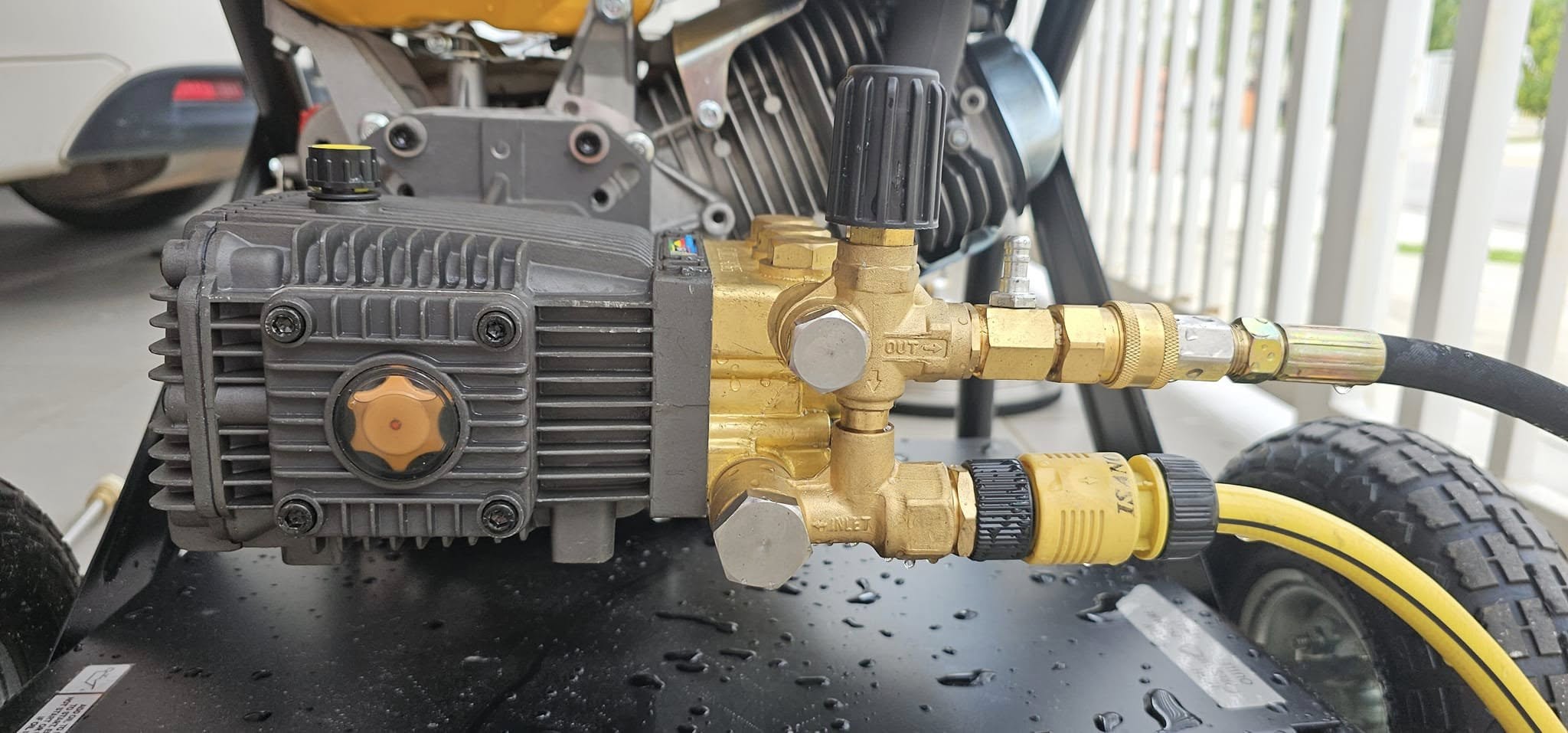
When Should You Replace the Pressure Washer Pump?
Before buying a replacement pump, make sure the pump is actually the problem. A weak spray does not always mean the pump is dead. Sometimes the issue is a clogged nozzle, blocked inlet filter, kinked hose, bad unloader valve, or poor water supply.
However, pump replacement may be the right move if you notice these signs:
- Water is leaking from the pump body.
- The washer has very low pressure even with a clean nozzle.
- There is no pressure after checking the hose, wand, and nozzle.
- The pump is cracked, corroded, or visibly damaged.
- The machine was accidentally run without water.
- The pump overheats quickly.
- Water enters the pump oil and turns it milky.
- The pump makes grinding, knocking, or unusual noises.
- Repair parts cost almost as much as a replacement pump.
If your pressure washer is older, low-cost, or uses a sealed axial cam pump, replacing the whole pump assembly is often easier than trying to rebuild it.
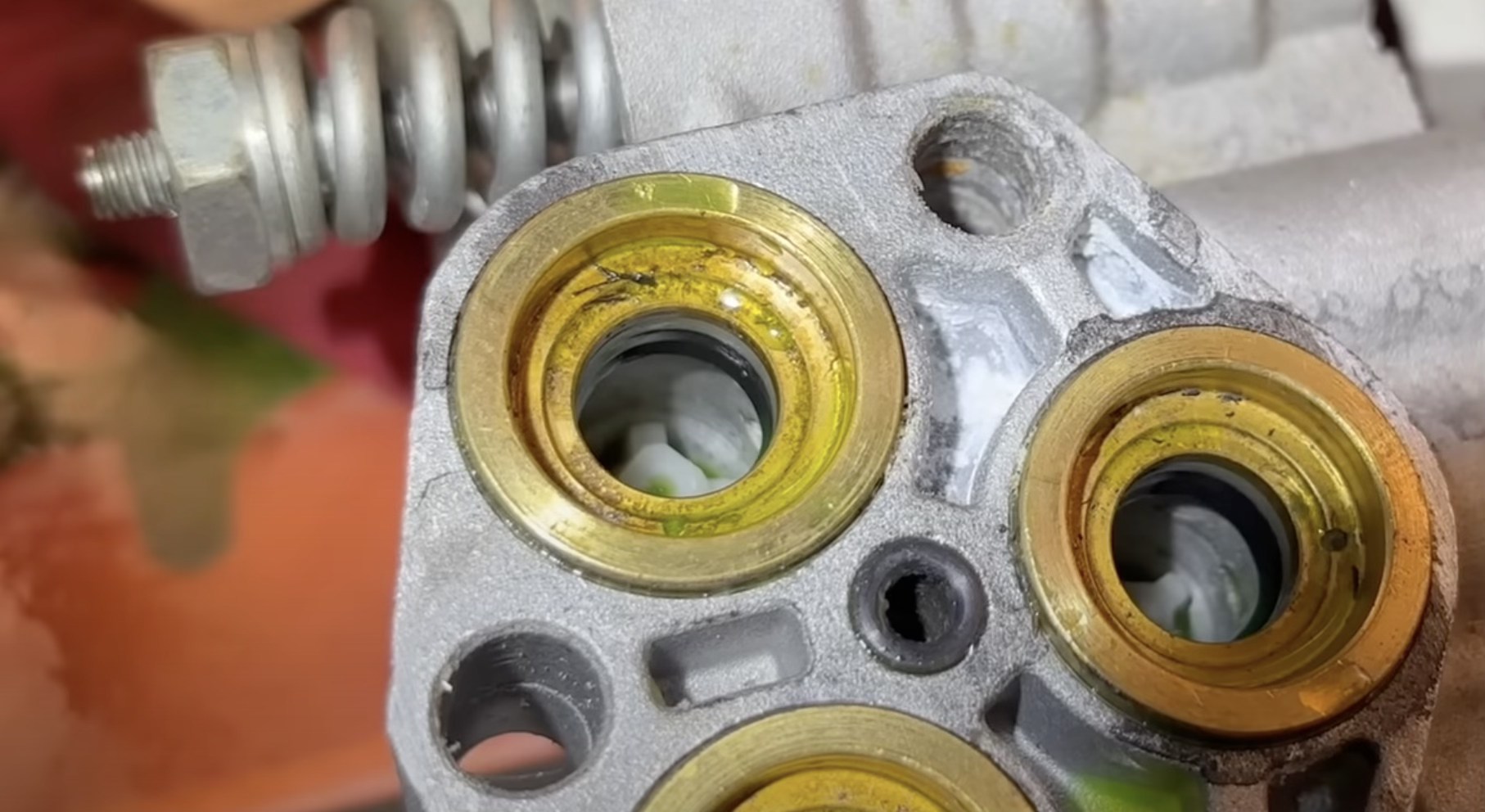
Replace or Repair: Which One Makes More Sense?
Not every pump problem requires a full replacement. Some professional-grade triplex pumps can be rebuilt with new seals, valves, plungers, or oil. But many consumer pressure washers use sealed axial cam or wobble pumps, which are usually replaced as one complete assembly.
Here is a simple way to decide:
| Situation | Best Option |
|---|---|
| Minor leak from a replaceable seal | Repair may work |
| Bad valves on a serviceable triplex pump | Repair may work |
| Cracked pump body | Replace the pump |
| Sealed axial cam pump failure | Replace the pump |
| Pump ran dry and lost pressure | Replace the pump |
| Repair kit costs close to a new pump | Replace the pump |
| Machine is very old and low-value | Consider replacing the washer |
For most homeowners, replacing the pressure washer pump is the cleaner and more reliable fix.
What Type of Pressure Washer Pump Do You Have?
Before ordering a new pump, identify your pump type. The three common types are axial cam, triplex, and wobble pumps.
Axial Cam Pump
Axial cam pumps are common on residential gas pressure washers. They are compact, affordable, and usually mounted directly to the engine shaft. Many are sealed and not designed for deep repair.
Best for: Light to moderate home use.
Triplex Pump
Triplex pumps are usually found on commercial or higher-end pressure washers. They are more durable, handle longer cleaning sessions better, and are often serviceable.
Best for: Frequent use, heavy cleaning, and professional work.
Wobble Pump
Wobble pumps are often used in entry-level pressure washers. They are usually inexpensive and sealed. When they fail, replacement is usually the most practical option.
Best for: Light-duty occasional cleaning.
How to Choose the Right Replacement Pump
This is the most important part of the job. A pump that physically fits is not always the right pump. You need to match the pump to your pressure washer’s engine, frame, and performance rating.
1. PSI Rating
PSI means pounds per square inch. It tells you how much pressure the pump is designed to produce. Choose a pump that matches your machine’s original PSI rating as closely as possible.
Do not assume a higher PSI pump will automatically upgrade your washer. If the engine does not have enough power, performance may suffer and parts may wear faster.
2. GPM Rating
GPM means gallons per minute. It tells you how much water the pump can move. Match this to your original pump or the washer’s rated output.
A mismatch can cause poor performance, overheating, or excess stress on the system.
3. Engine Shaft Size
Most direct-drive gas pressure washers use a horizontal engine shaft. You need to know the shaft diameter and length.
Common shaft sizes include:
- 3/4 inch
- 7/8 inch
- 1 inch
Always confirm your exact size before ordering.
4. Mounting Pattern
The bolt pattern must match your engine and frame. Many direct-drive pumps use a standard three-bolt or four-bolt pattern, but you should still compare it with your old pump.
5. Pump Orientation
Check where the inlet, outlet, thermal relief valve, and detergent hose connection sit. A pump may bolt on correctly but still have ports facing the wrong direction for your frame.
6. Horizontal vs Vertical Shaft
Gas pressure washers may use horizontal or vertical shaft engines. Buy the correct pump for your engine layout.
A horizontal shaft pump will not properly replace a vertical shaft pump.
7. Brand and Model Number
The easiest way to find the right pump is to look up your pressure washer model number, pump model number, or engine model number. You can usually find this on a sticker or metal plate on the frame, engine, or pump body.
Tools and Supplies You May Need
You do not need a large tool collection for most pump swaps. For a typical gas pressure washer pump replacement, you may need:
- Socket wrench set
- Combination wrenches
- Allen keys, if used on your model
- Screwdriver
- Penetrating oil for stuck bolts
- Anti-seize compound
- Thread sealant or PTFE tape, if required by the pump instructions
- Clean rag
- Pump oil, only if the new pump requires oil service
- Replacement thermal relief valve, if not included
- New O-rings, if needed
- Safety gloves
- Safety glasses
Read the instructions that come with your replacement pump before starting. Some pumps come pre-filled with oil, while others need oil added before use.
Safety First
Before you replace the pressure washer pump, take a few safety steps.
Turn off the engine and let it cool completely. Disconnect the spark plug wire on a gas pressure washer so the engine cannot start accidentally. Turn off the water supply, squeeze the spray gun trigger to release pressure, and disconnect the high-pressure hose.
If your washer uses gasoline, work in a well-ventilated area and keep sparks, cigarettes, and flames away from the machine.
How to Replace the Pressure Washer Pump
The exact steps can vary by model, but this process works for many gas pressure washers with direct-drive pumps.
Step 1: Disconnect Everything
Start with the pressure washer on a flat surface. Remove the garden hose, high-pressure hose, spray gun, detergent hose, and any accessories.
Squeeze the spray gun trigger to release trapped pressure before disconnecting the hose.
Step 2: Locate the Pump Assembly
On most gas pressure washers, the pump is bolted directly to the engine. It is usually located below or beside the engine shaft, with the water inlet and high-pressure outlet connected to it.
Take a few photos before removing anything. This helps you remember the original hose routing and pump orientation.
Step 3: Remove the Pump Mounting Bolts
Use the correct socket or wrench to loosen the bolts holding the pump to the engine.
If the bolts are rusty or stuck, apply penetrating oil and give it a few minutes. Avoid forcing the bolts too hard, because broken bolts can turn a simple job into a bigger repair.
Step 4: Slide the Old Pump Off the Engine Shaft
Once the bolts are removed, gently slide the pump away from the engine.
Some pumps come off easily. Others may be stuck on the shaft because of corrosion, dirt, or old grease. If it does not move, wiggle it gently. Do not hit the pump hard with a hammer, because you could damage the engine shaft or mounting surface.
If the pump is badly stuck, use a puller or ask a repair shop for help.
Step 5: Clean the Engine Shaft
After removing the old pump, clean the engine shaft with a rag. Remove dirt, rust, and old grease.
Inspect the shaft for damage. If the shaft is bent, badly rusted, or worn, a new pump may not mount correctly.
Apply a light coat of anti-seize compound to the shaft if recommended. This can make future removal easier.
Step 6: Compare the Old Pump and New Pump
Before installing the new pump, compare both pumps side by side.
Check:
- Shaft size
- Mounting holes
- Pump orientation
- Inlet location
- Outlet location
- Detergent hose fitting
- Thermal relief valve location
- PSI and GPM rating
Do not install the new pump if the fit looks wrong. It is better to stop and exchange the part than force the wrong pump onto the engine.
Step 7: Install the New Pump
Slide the new pump onto the engine shaft carefully. It should fit smoothly without heavy force.
Line up the mounting holes and install the bolts by hand first. Once all bolts are started, tighten them evenly.
Do not overtighten unless your manual provides a torque specification. Uneven or excessive tightening can damage the pump housing or mounting surface.
Step 8: Connect the Hoses and Fittings
Reconnect the water inlet, high-pressure outlet, detergent hose, and any other fittings.
Use new O-rings if the old ones are cracked, flattened, or missing. If the pump instructions call for thread sealant, apply it carefully. Do not overuse sealant, because extra material can break loose and clog the system.
Step 9: Check Pump Oil if Needed
Some triplex pumps require pump oil. Some replacement pumps arrive pre-filled, while others need oil added before first use.
Check the sight glass, dipstick, or manual. If oil is required, use the type recommended for that specific pump.
Do not assume engine oil and pump oil are always the same.
Step 10: Flush Air from the System
Before starting the engine, connect the garden hose and turn on the water supply.
Squeeze the spray gun trigger and let water flow through the system for 30 to 60 seconds. This purges air from the pump and hose.
This step is important. Running a pressure washer without water flow can quickly damage the new pump.
Step 11: Start the Pressure Washer
Once water is flowing smoothly, start the engine.
Keep the trigger open for a few seconds after startup. Then release it and check for leaks around the pump, fittings, hoses, and connections.
Step 12: Test the Pressure
Install a low-pressure or wide-angle nozzle first. Test the washer on a safe surface.
If the washer builds pressure normally and there are no leaks, the pump replacement was successful.
If the pressure is still weak, shut the machine off and check the nozzle, hose, water supply, inlet filter, unloader valve, and pump compatibility.
Common Mistakes to Avoid
Replacing a pump is not too difficult, but a few mistakes can ruin the new part quickly.
Buying the Wrong Pump
The most common mistake is choosing a pump only because it looks similar. Always match PSI, GPM, shaft size, bolt pattern, and pump orientation.
Running the Pump Without Water
Never start the engine before water is flowing to the pump. Water helps cool and protect the pump while it is running.
Forgetting to Purge Air
Air trapped in the system can cause rough operation and poor pressure. Always squeeze the trigger and let water flow before starting the engine.
Overtightening Fittings
Too much force can crack fittings or damage threads. Tighten securely, but do not crush plastic or brass components.
Ignoring Pump Oil
If your new pump requires oil, check it before starting the machine. Running a pump with low or missing oil can damage it fast.
Trying to Upgrade Too Much
A stronger pump is not always a better pump. Your engine must have enough power to support the pump’s PSI and GPM.
How Much Does It Cost to Replace a Pressure Washer Pump?
The cost depends on the pressure washer type and pump quality.
A basic residential axial cam replacement pump may cost much less than a commercial triplex pump. Professional pumps can be more expensive, but they may last longer and support repair or maintenance.
In many cases, replacing the pump is worth it if the engine still runs well and the frame is in good condition.
However, replacing the entire pressure washer may make more sense if:
- The engine is also unreliable.
- The frame is rusted or damaged.
- The hose, wand, and fittings are worn out.
- The replacement pump costs close to a new washer.
- You want a different PSI or GPM class.
How to Make the New Pump Last Longer
After you replace the pressure washer pump, protect it with better habits.
Always Start With Water Flow
Connect the garden hose, turn on the water, and squeeze the trigger before starting the engine.
Do Not Let the Washer Idle Too Long
When the trigger is not pulled, water can heat up inside the pump. If you need to stop spraying for more than a short break, shut the machine off.
Use Clean Water
Dirty water can clog filters, damage valves, and wear seals. Check the inlet filter often.
Store It Correctly
If you store your pressure washer in freezing temperatures, use pump saver or antifreeze protection. Frozen water inside the pump can crack the housing.
Maintain Pump Oil
If you have a serviceable pump, check and change the pump oil according to the manufacturer’s schedule.
Use the Right Nozzle
Using the wrong nozzle can create unnecessary stress. Start with a wider spray pattern and only use narrow nozzles when needed.
Can You Replace an Electric Pressure Washer Pump?
Sometimes, but it is usually harder.
Many electric pressure washers use compact, brand-specific pump and motor assemblies. The pump may not be sold separately, or the cost may not be worth it.
If you have an electric pressure washer with pump failure, check the model number and parts diagram first. If the pump is available and affordable, replacement may be possible. If not, replacing the entire unit may be the better option.
Should You Replace the Pump Yourself or Hire a Pro?
A DIY pump replacement is reasonable if:
- You can identify the correct replacement pump.
- The old pump is not badly stuck.
- You have basic hand tools.
- The engine shaft is in good condition.
- You are comfortable following safety steps.
Hire a professional if:
- The pump is seized to the shaft.
- You are not sure which pump fits.
- The engine shaft is damaged.
- The washer is commercial-grade and expensive.
- You suspect internal engine issues too.
Final Thoughts
Learning how to replace the pressure washer pump can save money and extend the life of your machine. The most important part is not the bolt removal. It is choosing the correct replacement pump.
Match the PSI, GPM, shaft size, mounting pattern, and pump orientation before you buy. Take your time during installation, purge air before starting, and never run the pump without water.
If the engine is still strong, a new pump can bring your pressure washer back to life and make it ready for driveways, siding, decks, vehicles, and other cleaning jobs again.
FAQs About Replacing a Pressure Washer Pump
Can I replace the pressure washer pump myself?
Yes, many gas pressure washer pumps can be replaced with basic hand tools. The key is buying the correct pump for your engine shaft, PSI, GPM, and mounting pattern.
How do I know if my pressure washer pump is bad?
Common signs include low pressure, no pressure, water leaking from the pump, milky pump oil, unusual pump noise, overheating, or pressure loss after checking the hose, nozzle, and water supply.
Is it worth replacing a pressure washer pump?
It is worth it if the engine runs well and the replacement pump costs much less than a new pressure washer. If the engine, frame, hose, and wand are also worn out, buying a new machine may make more sense.
Can I put a higher PSI pump on my pressure washer?
Sometimes, but it is not always a good idea. The engine must have enough power to support the higher PSI and GPM. A mismatched pump can reduce performance or shorten the life of the machine.
Are all pressure washer pumps universal?
No. Pressure washer pumps are not fully universal. You must match shaft size, shaft orientation, bolt pattern, PSI, GPM, and port layout.
Why did my pressure washer pump fail?
Common causes include running the washer without water, overheating, freezing during storage, dirty inlet water, worn seals, lack of pump oil on serviceable pumps, or normal wear over time.
Do I need to add oil to a new pressure washer pump?
It depends on the pump. Some pumps are sealed or pre-filled. Others require pump oil before first use. Always check the instructions that come with your replacement pump.
How long does it take to replace a pressure washer pump?
For many gas pressure washers, the job may take less than an hour if the old pump comes off easily and you have the correct replacement pump. A stuck or corroded pump can take much longer.
Can a pressure washer pump be rebuilt?
Some triplex pumps can be rebuilt with new seals, valves, plungers, or oil. Many axial cam and wobble pumps are sealed, so replacing the complete pump assembly is usually more practical.
What should I do after installing a new pump?
Connect the water supply, squeeze the trigger to purge air, confirm steady water flow, start the engine, check for leaks, and test pressure with a safe nozzle.



Write Your Review
No reviews yet. Be the first to share your experience!