

Free Delivery. Exclusive Deals. All Prime.
Prime members save on shipping and get first access to deals, plus Prime Video included. 30 days free.
The low point is usually when your back feels like it is floating in a refrigerator and your coffee has become a hand warmer. Blankets for hammock camping add insulation where a suspended sleep setup loses heat fast. After comparing 5 models, the Get Out Gear Camping Blanket is our top pick because it is 1 water resistant blanket in the lineup, built for hammock use, and aimed at backpacking carry. The KawaGebo Kamp Camping Blanket is the alternative pick, with a 78 x 56 inch size and polyester build.

Pros
- 650 fill power down insulation
- Water-resistant backpacking quilt
- Packable 1 lb 1 oz size
- 80 x 54 inch dimensions
- Made for backpacking, travel and hammocks
Cons
- No temperature rating listed
- 1-person size only
- No warranty details provided

Pros
- 78 x 56 inch blanket size
- Sherpa fleece with ripstop polyester
- Side buttons convert it into a poncho
- Machine washable for easier cleaning
- 2.5 lb listed weight
Cons
- No temperature rating listed
- Only Pale Green color listed
- Listed height is 7.874 inches

Pros
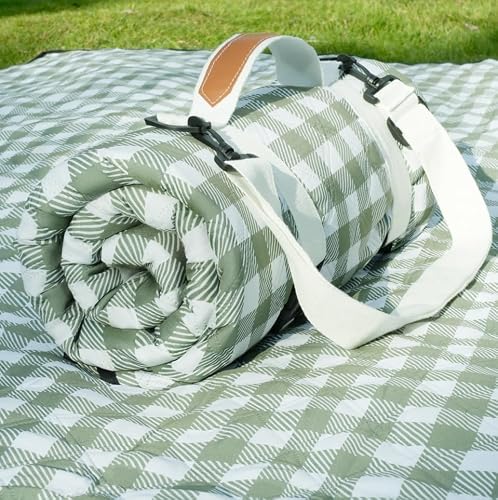
- 78 x 57 inch coverage for lounging or camp use
- Lightweight, packable design for travel and storage
- Water-resistant build helps repel moisture outdoors
- Puffy insulation adds warmth without bulk
- Machine washable and quick-drying for easy care
Cons
- No temperature rating listed
- No packed size or weight listed
- Water-resistant, not stated as fully waterproof

Pros
- 80% wool blend provides natural warmth that works even when wet
- Triple-washed during production for softness and reduced shedding
- Large 64" x 88" size fits two people or serves multiple purposes
- Machine washable and gets softer with each wash
- Naturally fire-retardant without chemical treatments
Cons
- 4.5 lb weight may be too heavy for some users
- Wool blend requires specific care instructions for washing
- Olive green color may not match all decor styles

Pros
- 78.74 x 57.09 inch size for broad coverage
- Packs into a 6.69 x 5.91 x 10.23 inch carry bag
- Lightweight packed weight listed at 1.14 lbs
- 100% nylon ripstop shell is weather and stain resistant
- Snap clasps allow hands-free poncho-style use
Cons
- No temperature rating is listed
- Synthetic down, not natural down insulation
- Designed for three-season use, not stated for deep winter
How We Chose Camping Blankets for Hammock Camping
A hammock exposes you to moving air on every side, so a blanket has to do more than feel soft around a fire. Cold weather also makes moisture management important, because the National Park Service notes that hypothermia can happen well above freezing when a person gets wet.
- Insulating value or capacity: A hammock blanket needs enough coverage to wrap around shoulders, legs and the open sides of a suspended sleep setup. Among our picks, stated blanket sizes run from 57 x 78 inches to 64 x 88 inches, which gives single sleepers more usable coverage than a narrow throw. The larger end also matters if the blanket will double as a camp wrap before bedtime.
- Material and durability: Damp fabric is a real problem in cold air, so weather resistance counted heavily. The Get Out Gear Camping Blanket is identified as water resistant, which is the key reason it leads this list for hammock camping. Across the main list, materials include nylon, polyester, wool and synthetic insulation, so the better fit depends on whether you prioritize moisture shedding, natural warmth or low packed bulk.
- Size and weight: Coverage is useful only if the blanket is not a burden to carry. The covacure Camping Blanket measures 57 x 78 inches and uses a nylon shell, while its packed weight is listed at 1.14 pounds. That combination favors a camper who wants shoulder to foot coverage without adding a heavy wool blanket to a hammock kit.
- Ease of cleaning or packing: Packed size matters when a hammock, suspension, tarp and insulation all have to share space in a bag. One pick packs to 6.69 x 5.91 x 10.23 inches, while another is listed as machine washable for easier cleanup after smoky or muddy trips. For cold weather, the practical question is whether the blanket can be packed quickly while still being easy to dry or clean after damp use.
- Lid or closure design: Blankets do not have lids, but closure details still affect warmth when you are sitting up in camp or shifting in a hammock. The Sitpack Camping Blanket is water resistant, and its puffy insulated design is meant for use while lounging in a hammock. Two of our picks also use wearable closure concepts, which helps keep the blanket around your shoulders instead of sliding into the dirt.
We excluded summer or three-season-only gear when it was not suited to freezing conditions, because this search is about staying warm in cold weather. We also left out home space heaters used inside tents without ventilation because of carbon monoxide risk, along with children’s toy tents and sleeping bags that do not address adult hammock camping needs.
The Competition
These are other camping blankets we looked at but did not put on our main list.
If a straightforward polyester build is your main requirement, Onetigris Product is a capable camping blanket. It did not make the main list because our 5 selected picks give a closer match to hammock specific needs, especially where listed size, water resistance or packability is clearer.
For shoppers who want nylon and water resistance in the same blanket, Wise Owl Outfitters Product has the more relevant material profile of these 2 outside options. It still stayed off the main list because the selected group gives more concrete hammock camping context, including stated dimensions up to 64 x 88 inches and packed details for carry.
FAQs
How wide should a camping blanket be for hammock camping?
Among our picks, widths run from 56 inches to 64 inches. A wider blanket gives more side coverage in a hammock, which helps reduce drafts along your shoulders and hips.
Is water resistance important for hammock camping blankets?
Yes, especially in cold weather. The National Park Service says hypothermia can occur well above freezing if a person gets wet from rain, sweat or submersion, so staying dry is a core part of heat management.
Are wool blankets practical for hammock camping?
Wool can stay warm when wet, and one pick uses a 64 x 88 inch wool blend design. The tradeoff is carry weight, since that blanket is listed at 4.5 pounds, which is much heavier than the lightest packed option in the group.
Should I use a heater instead of a blanket in a tent or hammock setup?
A blanket is the safer default for enclosed sleeping areas. The U.S. Consumer Product Safety Commission warns that carbon monoxide is colorless and odorless, and fuel burning camping stoves or heaters should not be used inside a tent, camper or enclosed space without proper ventilation.
Sources
- Hypothermia, National Park Service. NPS guidance on preventing hypothermia outdoors.
- Carbon Monoxide Questions and Answers, U.S. Consumer Product Safety Commission. CPSC guidance on carbon monoxide hazards from fuel-burning devices.



Write Your Review
No reviews yet. Be the first to share your experience!