

Free Delivery. Exclusive Deals. All Prime.
Prime members save on shipping and get first access to deals, plus Prime Video included. 30 days free.
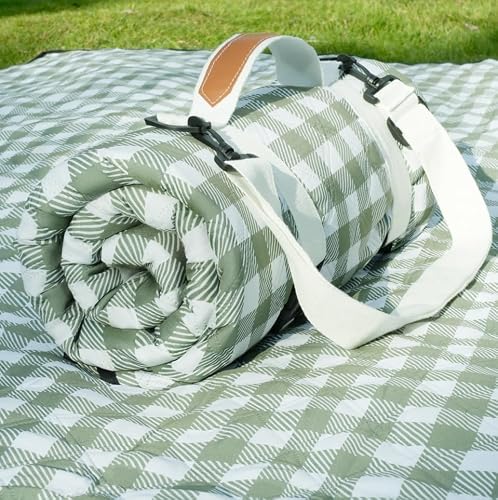
When the camp chair turns cold before the coffee is even finished, the joke is usually on whoever packed only a hoodie. The best lightweight camping blankets add portable insulation without the bulk of a full sleeping bag. After comparing 2 models, the KingCamp Camping Blanket is our top pick because it covers 79 x 57 inches, uses polyester, and is water resistant. The Orga’Neat Camping Blanket is our alternative pick for a polyester, water resistant build.

Pros
- Large 79 x 57 in coverage for camping or travel
- Lightweight 1.63 lb build for packing
- Compresses to 13.78 x 6.69 x 6.69 in stuff sack
- Snap buttons let it convert to a wearable shawl
- Machine washable 20D polyester shell
Cons
- Water-resistant, not listed as waterproof
- No temperature rating provided
- Packed size may still take room in a small backpack

Pros
- 55 x 60 inch size for ground cover or picnics
- Lightweight 5.7 oz design for easy packing
- Folds into a mini storage bag
- Ripstop polyester is tear resistant
- Water resistant and quick drying
Cons
- No insulation or warmth rating listed
- Water resistant, not listed as waterproof
- Thin 0.04 inch profile offers little cushioning
What We Looked For in Lightweight Camping Blankets
Cold-weather camping asks more from a blanket than a backyard picnic does. A useful camp blanket has to help trap heat, resist damp ground or drizzle, and still pack small enough that it does not crowd out water, food or dry layers.
- Insulating value or capacity: The strongest cold-weather option on our main list uses 435g of hypoallergenic Warm Loft fiberfill. That matters because loft creates trapped air, which helps slow heat loss when temperatures drop at camp. According to the National Park Service, hypothermia can happen well above freezing if a person gets wet, so warmth and moisture management matter together.
- Material and durability: The KingCamp Camping Blanket uses a polyester build and is described as water resistant, which suits damp grass, light precipitation and windy sitting areas. Its shell is listed as 20D polyester, and the design includes reinforced contour stitching. Those details matter for a blanket that may move from a tent floor to a camp chair to an outdoor game in the same trip.
- Size and weight: Among our picks, coverage ranges from 55 x 60 inches to 79 x 57 inches. Weight ranges from 5.7 oz to 1.63 lbs, so the difference is meaningful if every ounce in a daypack matters. The larger pick gives more wraparound coverage, while the lighter pick is easier to keep in a pocket, bag or car.
- Ease of cleaning or packing: One pick compresses to 13.78 x 6.69 x 6.69 inches in a stuff sack, while the other folds into a mini storage bag. That packing difference points to two use cases: a puffy blanket for sustained warmth, or a thin ground layer that disappears into a small carry setup. One pick is also machine washable, which helps after mud, pet hair or campfire-adjacent dust.
- Lid or closure design: Camping blankets do not use lids the way insulated bottles do, so closure design here means how the blanket secures around the body or packs away. One pick includes snap buttons and corner loops, letting it convert into a wearable shawl or cape. The other uses a mini storage bag, which keeps a 55 x 60-inch blanket contained when it is not spread out.
We excluded summer or three-season-only gear not rated for freezing temperatures, because cold-weather trips need more dependable insulation than a fair-weather throw. We also excluded home space heaters used inside a tent without ventilation, since the U.S. Consumer Product Safety Commission warns that carbon monoxide is colorless and odorless, and we left out children’s toy tents and sleeping bags because they are not built for adult camping needs.
The Competition
These are other camping blankets we looked at but did not put on our main list.
If you want a simple nylon camp layer, the covacure Camping Blanket measures 57 x 78 inches. That size is close to our top pick’s coverage, but its listed nylon build does not match the main list as closely for this cold-weather need because the main picks emphasize polyester builds and water resistance.
For shoppers focused on a polyester shell, the iClimb Camping Blanket has a polyester build and is listed as water resistant. It remains a capable blanket, but without a stated size or weight here, it is harder to judge against our top pick’s 79 x 57-inch coverage or our alternative pick’s 5.7 oz carry weight.
Another polyester option, the hotkoko Camping Blanket, is also described as water resistant. That meets an important baseline for damp campsites, but the main list gives clearer numbers for real packing and coverage decisions, including one pick that compresses to 13.78 x 6.69 x 6.69 inches.
Prefer the widest coverage figure in this group? The Tikroom Camping Blanket measures 80 x 58 inches, uses polyester, and is water resistant. That is slightly larger than our top pick on paper, but the main list still fits the keyword need more closely because it pairs coverage with stated weight, packed size and insulation information.
FAQs
How light should a camping blanket be for cold-weather trips?
Our picks range from 5.7 oz to 1.63 lbs, which shows the tradeoff between pocketable carry and thicker insulation. For a cold campsite, the lighter number is easier to bring everywhere, while the heavier number can make more sense when warmth matters more than shaving ounces.
Is water resistance important in a lightweight camping blanket?
Yes, because wet fabric can make heat loss worse. The National Park Service notes that hypothermia can happen well above freezing if a person gets wet from rain, sweat or submersion, so staying dry is a practical safety concern, not just a comfort issue.
What size blanket works best for sitting around camp?
Our picks range from 55 x 60 inches to 79 x 57 inches. The smaller size is easier to pack and use as a ground cloth, while the larger size gives more coverage for shoulders, legs or shared sitting.
Can I use a heater instead of bringing a warmer blanket?
A blanket is not a substitute for a complete cold-weather sleep system, but it avoids the enclosed-space hazard of fuel-burning heaters. The U.S. Consumer Product Safety Commission says carbon monoxide can come from stoves, lanterns, heaters, charcoal and wood, and it should not be produced inside a tent or camper without proper ventilation.
Sources
- Hypothermia, National Park Service. NPS guidance on preventing hypothermia outdoors.
- Carbon Monoxide Questions and Answers, U.S. Consumer Product Safety Commission. CPSC guidance on carbon monoxide hazards from fuel-burning devices.




Write Your Review
No reviews yet. Be the first to share your experience!