

Free Delivery. Exclusive Deals. All Prime.
Prime members save on shipping and get first access to deals, plus Prime Video included. 30 days free.
When the forecast says flurries and your tent stakes sound like spoons tapping frozen lasagna, shelter choice stops being theoretical. Ultralight 4 season tents solve that by pairing cold-weather coverage with backpackable weights. After comparing 6 models, the Naturehike 4-Season Tent stands out for its 15D nylon, 3000mm+ waterproof rating and 3.53-pound weight. The iClimb 4-Season Tent is the alternative pick, with 210T polyester and a 3000mm coating.

Pros
- 3.53 lb total weight for backpacking
- 3000mm+ waterproof fly and floor
- 82.7 x 35.4 x 39.4 in inner dimensions
- 5.9 sq ft vestibule for gear storage
- Five ventilation windows for airflow
Cons
- Single side-entry door only
- 1-person size limits shared sleeping space
- Requires staking and guy lines for full setup

Pros
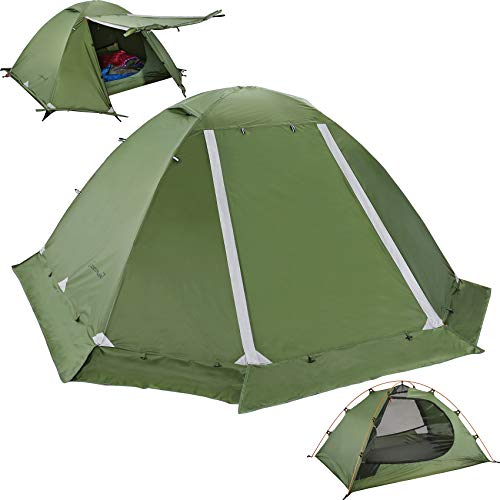
- 4-season solo tent with snow skirt for cold conditions
- PU 3000mm coating and fully taped seams for rain protection
- 5 lb packed weight with 16.5 x 6 x 6 inch carry size
- 2 large D-shape doors plus vestibule-style rainfly entry
- Freestanding 2-pole setup with 11 stakes and 4 guy lines
Cons
- Solo size is narrow at 80 x 28 x 43 inches
- Cot use is not suggested in winter due to wind underneath
- Hiking poles for propping the door are not included

Pros
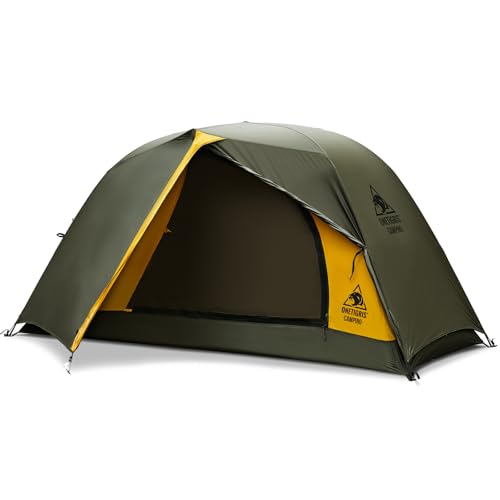
- 1 person tent with 8.2 ft inner length
- 3500 to 4000 mm listed water resistance
- Single ridge pole setup listed at 3 minutes
- Fire retardant standard CPAI-84
- Rip-stop fabric and aluminum pole for wind resistance
Cons
- Fits 1 person only
- Inner height is 2.95 ft, so sitting space is limited
- Weight is listed inconsistently as 3.75 lb and 2.71 lb

Pros
- 88.4 x 72.7 x 47.2 inch interior fits 3 people
- Packs to 43 x 18 cm for transport
- Weighs 3.3 kg or about 6.57 lb
- 70D polyester with 200T waterproof coating
- Sets up in 3 minutes and packs down in under 2 minutes
Cons
- No temperature rating is listed for cold weather use
- No included stake or pole details are provided
- 47.2 inch peak height limits standing room

Pros
- 4-season design with snow skirt for cold weather protection
- Lightweight at 6.4 lbs, compact 18x7x7 inch packing size
- 2 doors and 2 windows with double-layer mesh reduce condensation
- Freestanding design with aluminum poles sets up easily
- Spacious 2-person capacity with waterproof foyer storage
Cons
- PU 3000mm coating may not match higher-end waterproof standards
- Inner and outer tent contact can cause condensation issues
- Requires careful ventilation management to prevent moisture buildup

Pros
- Four-season design with snow skirt for winter use and mesh panels for other seasons
- Lightweight at 5.73 pounds with compact packed size of 5.9 by 16.54 inches
- Freestanding structure with aircraft-grade aluminum poles and PU5000mm rain fly coating
- Two-way zipper, interior light hook, and mesh pocket for convenient camping
- Double-layered corners and full rain fly for wind and water resistance
Cons
- 2-person capacity limits use for solo or group camping situations
- 45.3-inch center height may feel cramped for taller occupants
- Requires pairing with separate camping mattress for insulation from ground
What Matters in Ultralight 4-Season Tents for Winter Campers
A winter shelter has to do more than keep bugs out. Snow skirts, pole geometry, waterproof coatings and ventilation all matter when the weather shifts from damp to cold to windy.
Weight still matters because these are backpacking shelters, but a low carry weight is not useful if the tent cannot manage wet ground, gusts or condensation. The strongest picks balance structure, packed size and airflow rather than chasing one number alone.
- Season rating and capacity: A true cold-weather shortlist starts with 4-season coverage, then narrows by sleeping space. The Naturehike 4-Season Tent is built around a solo layout with an 82.7 by 35.4-inch inner floor and a 39.4-inch peak height. Its 20.34-square-foot interior and 5.9-square-foot vestibule make the most sense for one person who wants gear covered but not sleeping beside wet boots. Across the main list, capacity runs from 1 person to 3 people, so the right pick depends on whether low weight or shared space matters more.
- Stove jack for a wood-burning stove if applicable: None of the main picks lists a stove jack, which matters for winter campers planning hot-tent use. A 4-season rating does not automatically mean wood-stove compatibility. According to the U.S. Consumer Product Safety Commission, carbon monoxide is a colorless, odorless gas produced by burning fuel, including charcoal and wood. The same guidance says not to use a fuel-burning camping stove, heater or wood stove inside a tent or enclosed space without proper ventilation.
- Pole structure and wind resistance: Winter wind can expose weak geometry quickly, so pole design is more than a setup detail. The camppal 4-Season Tent uses an aluminum pole structure and lists 3500 to 4000mm water resistance, which suits a solo shelter aimed at rain and rough weather. Among the main picks, aluminum poles show up repeatedly, while one reinforced X-cross structure uses 2 poles to spread load in wind. For exposed camps, that kind of structure is more relevant than floor area alone.
- Weight and pack size: Backpackers should look at both trail weight and packed dimensions because a tent can be light but awkward to carry. The main picks range from 3.53 pounds to 6.4 pounds, with packed lengths from 15.4 inches to 18 inches among the models that list them. A solo shelter at the low end is easier to justify for long approaches, while a 2-person or 3-person shelter gives more room but asks for more pack space. The best tradeoff depends on whether one person carries the shelter or a group splits it.
- Ventilation to avoid condensation and carbon monoxide buildup: Cold air does not remove the need for airflow, especially when wet clothing and breathing add moisture inside the tent. The Forceatt 4-Season Tent uses 70D polyester with a 200T waterproof coating, plus a large mesh window and 2 ceiling openings for circulation. Across the main list, ventilation details include 2 doors, 2 windows, 5 ventilation windows and mesh inner walls, depending on the model. The National Park Service notes that hypothermia can happen above freezing if a person gets wet, so condensation control is part of staying warm.
We excluded summer or three-season-only gear that is not rated for freezing temperatures, because winter campers need more than fair-weather bug protection. We also excluded home space heaters used inside tents, because fuel-burning heat in an enclosed shelter can create a carbon monoxide risk, and we left out children’s toy tents and sleeping bags because they do not serve this use.
Other 4-Season Tents Worth Considering
These are other 4-season tents we looked at but did not put on our main list.
If you want a different shelter layout, the Onetigris 4-Season Tent is another 4-season tent with a nylon build and water resistance. It may appeal to campers comparing shape and feature mix, but our top pick gives clearer backpacking numbers with a 3.53-pound weight and a 3000mm+ waterproof rating.
For campers who prefer polyester, the Clostnature 4-Season Tent offers a 4-season direction with a polyester build instead of nylon. That material choice puts it closer in spirit to our alternative pick, but the main list gives more specific cold-weather comparisons across weights, packed sizes and waterproof ratings.
Another nylon option, the Cantuo 4-Season Tent, keeps the focus on a 4-season shelter with water resistance. It is worth a look if the size and feature mix better matches your kit, though our main list includes solo and shared capacities from 1 person to 3 people for easier comparison.
When close fit to the search need matters most, the Night Cat 4-Season Tent is the one we left off the main list. It has a nylon build, water resistance and a 4-season label, but it does not line up as closely with the capacity, weight and winter-use details that shaped the main picks.
FAQs
How light should a 4-season tent be for backpacking?
Among our picks, listed weights run from 3.53 pounds to 6.4 pounds. Solo campers usually benefit most from the lower end, while 2-person and 3-person shelters trade extra carry weight for more sleeping and gear space.
Are ultralight 4-season tents safe with a stove inside?
Do not assume a 4-season tent is stove-ready unless it specifically includes the right ventilation and stove-jack design. The U.S. Consumer Product Safety Commission warns that carbon monoxide is colorless and odorless, and it can come from burning wood, charcoal or fuel.
What waterproof rating should I look for in winter rain or snow?
Our picks include waterproof ratings from 3000mm to 5000mm where specified. Higher numbers can help in sustained wet conditions, but floor design, seam treatment and ventilation also affect how dry the shelter feels.
Why does ventilation matter in cold weather?
Ventilation helps reduce condensation from breathing and damp gear, which matters because wet clothing and bedding increase heat loss. The National Park Service notes that hypothermia can occur even above freezing when a person gets wet from rain, sweat or submersion.
Sources
- Carbon Monoxide Questions and Answers, U.S. Consumer Product Safety Commission. CPSC guidance on carbon monoxide hazards from fuel-burning devices.
- Hypothermia, National Park Service. NPS guidance on preventing hypothermia outdoors.




Write Your Review
No reviews yet. Be the first to share your experience!