

Free Delivery. Exclusive Deals. All Prime.
Prime members save on shipping and get first access to deals, plus Prime Video included. 30 days free.
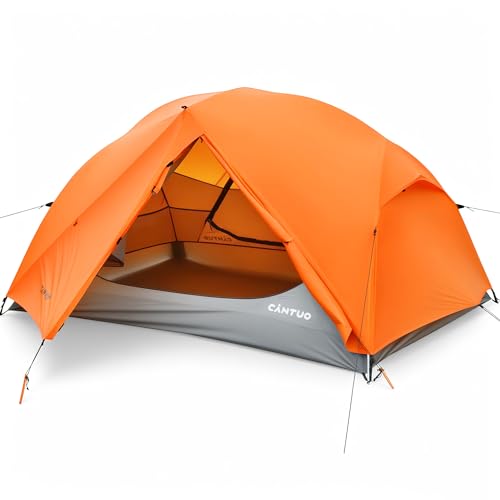
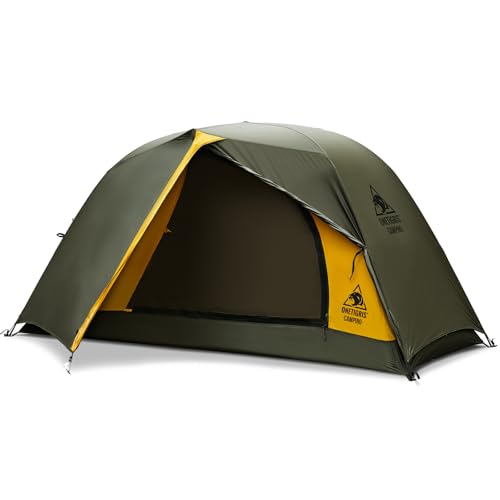
When sleet starts ticking on the fly at dinner and one boot is somehow already frozen, 2 person 4 season backpacking tents start to feel less optional. A real winter shelter helps block wind, shed moisture and keep two campers organized. After comparing 6 models, the Cantuo 4-Season Tent stands out for its 20D nylon build, 4.12-pound weight and 4000mm waterproof rating. The Underwood Aggregator 4-Season Tent is the alternative pick, with aluminum poles and a 5000mm coating.
Pros
- 4.12 lb packed weight for backpacking
- PU 4000mm rainfly and floor coating
- 31.64 sq ft interior fits two 25 in pads
- 8 vents and B3 mesh for airflow
- Includes footprint, 12 stakes, and carry bag
Cons
- No listed temperature rating for winter comfort
- 43.3 in peak height is for sitting, not standing
- Title says 2/3 person, but size is listed as 2 person

Pros
- 4 season design with roll-able snow skirt
- PU5000mm coating and full-cover rain fly
- 5.73 lb weight with 5.9 x 16.54 in packed size
- 86.6 x 59.1 in floor with 45.3 in center height
- Aircraft-grade aluminum poles and Duraflex fasteners
Cons
- Only one color listed: brown
- No temperature rating provided
- 2 person size may be tight with bulky winter gear

Pros
- PU8000 mm rainfly and PU5000 mm bathtub floor
- Freestanding aluminum pole system for fast setup
- Rainfly can be used alone as a lightweight shelter
- Extended snow skirts for four-season conditions
- 122 x 55 x 49 inches with 2-person capacity
Cons
- 7.4 lb may be heavy for some backpacking loads
- Only green color is listed
- No warranty details are provided
Pros
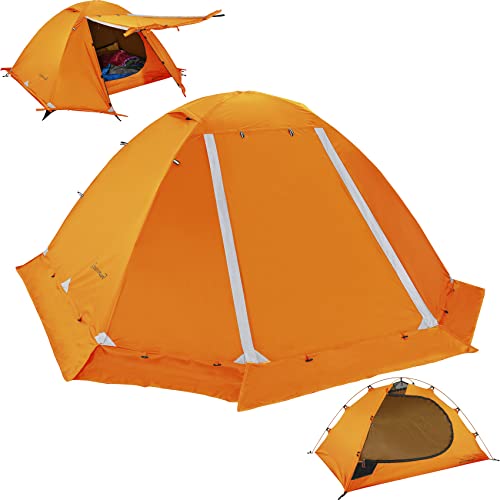
- PU 5000 coated fly, groundsheet, and bathtub floor
- 6.28 lb total weight, 5.33 lb minimum trail weight
- Two D-shaped doors and two vestibules for access and storage
- Snow flaps help seal out spindrift
- Freestanding design with two aluminum poles
Cons
- Only a limited 1-year guarantee is listed
- 3 ft 10 in interior height is not for standing
- Packed size is 16.5 x 5.9 x 5.9 in

Forceatt 2-Person Backpacking Tent, 3-4 Season, 5.5 lb, Waterproof
What Stands Out
- Two D-shaped doors and vestibules keep wet gear outside the sleeping area on rainy trips
- 3000mm waterproof rating with welded floor handles Pacific Northwest shoulder-season downpours
- Lightweight at 5.5 pounds and freestanding, so you pitch solo without trekking poles or stakes
- Two ceiling vents and mesh windows reduce condensation buildup in cool, damp conditions
- Sets up in under 3 minutes with aluminum poles and smooth #8 zippers that don't jam
- Compact enough for backpacking but roomy enough for two adults or one adult plus a kid
Pros
- Two doors eliminate the 'climb over your partner' problem on midnight bathroom runs
- Vestibules actually fit a wet backpack and muddy boots outside the sleeping bag zone
- Freestanding design means you can pitch on gravel or hard ground without staking first
- Stays dry inside even when condensation is heavy on the fly during cold mornings
Cons
- At 88.6 by 53.1 inches, two adults plus full packs is snug, not roomy
- 3-4 season rating is generous; it's really a solid 3-season tent for most Northwest trips
Two Doors and Vestibules for Wet-Gear Management
Rainy trips with the family mean muddy boots and soaked rain jackets piling up at the tent entrance. The dual D-shaped doors and separate vestibules on this backpacking tent let you stash wet gear outside without dragging it across the sleeping area. When Sarah and I pitched this on a soggy weekend near the Olympic Peninsula, the vestibules held both our packs and the kids' mud-caked boots without eating into the interior floor space.
3000mm Waterproof Rating with Welded Floor Design
A Cascades downpour last September tested the full-coverage rain fly and welded floor seams, and nothing seeped through. The 3000mm waterproof index is legit for a 3-season tent in the Pacific Northwest, where shoulder-season rain can be relentless. The elevated floor design keeps you off damp ground, which matters on dispersed camping trips in the high desert or anywhere the ground stays wet after rain.
Freestanding Setup with Aluminum Poles
Pitching a camping tent solo in 12 minutes without hunting for stakes or trekking poles is a real win on family trips where the kids are tired and the light is fading. The aluminum pole frame stands on its own, so you can set it up on gravel, dirt, or hard-packed ground and adjust it later. The reflective guylines and stakes are included, but you don't need them to get the tent up fast when you're in a time crunch.
Ventilation and Mesh Windows to Combat Condensation
Two ceiling vents and a large mesh window keep air moving through the interior, which prevents the heavy condensation buildup that kills sleep comfort on cool, damp mornings. This feature makes a real difference on multi-day trips in the Cascades or Olympic rainforest where the temperature drops at night and moisture collects on everything. The micro-mesh fabric breathes well without sacrificing privacy or wind protection.

Pros
- Lightweight at 4.8 lb, easy to carry for backpacking trips
- 3000mm waterproof rating handles all weather conditions
- 4-season design with mesh inner tent and durable nylon construction
- Quick setup with flexible crossing poles anchored at 4 corners
- Includes complete kit: poles, 10 stakes, guy-lines, storage bag
Cons
- 2-person capacity may feel cramped for two adults with gear
- Single-layer silicone coating offers basic waterproofing, not premium
- Removable blackout outer tent adds complexity to setup options
How We Chose 4-Season Tents for Winter Backpacking
Cold-weather backpacking asks more from a tent than a fair-weather overnighter. The useful details are measurable: interior space, waterproof ratings, pole materials, packed size and vents that help move damp air out.
- Season rating and capacity: Every main pick is presented as a 4-season or 3 to 4-season shelter, so the first cut was whether the tent was meant for cold, wet and windy conditions. The Cantuo 4-Season Tent pairs that rating with an 82.7 by 55.1-inch floor and 43.3-inch peak height. That gives two campers room for two 25-inch sleeping pads, while the 31.64-square-foot interior leaves space for small gear.
- Stove jack for a wood-burning stove if applicable: None of the main picks lists a stove jack, so they should be treated as sleeping shelters, not hot-tent setups. According to the U.S. Consumer Product Safety Commission, carbon monoxide is a colorless, odorless gas made by burning fuel, charcoal or wood. A wood stove, heater or fuel-burning camping stove should not be used inside a tent or enclosed space without proper ventilation.
- Pole structure and wind resistance: Winter tents need poles and guy-out points that can be set before weather gets worse. The Forceatt 4-Season Tent uses 7001-series aluminum poles and reflective guylines, and its setup is listed at 3 minutes. It also has 2 D-shaped doors and 2 vestibules, which helps each camper enter, exit and store wet gear without crawling over the other person.
- Weight and pack size: Among the main picks, listed weights run from 4.12 pounds to about 7.4 pounds. The lightest main pick is easier to justify on longer approaches, while the heaviest gives more listed storm-focused structure. Packed sizes range from 15.7 by 5.5 inches to 21.7 by 6.3 inches, so one tent can disappear more easily into a backpack than another.
- Ventilation to avoid condensation and carbon monoxide buildup: Double-wall shelters still need airflow, especially when wet layers and cold breath add moisture overnight. The Geertop 4-Season Tent uses 20D ripstop nylon with a PU8000mm fly coating and a PU5000mm bathtub floor. Its fly can also be pitched as a separate shelter, while the inner tent can be clipped in when double-wall protection is needed.
We excluded summer or three-season-only gear that is not rated for freezing temperatures, because the National Park Service notes that hypothermia can happen above freezing when a person gets wet. We also excluded home space heaters used inside a tent without ventilation because of carbon monoxide risk, along with children’s toy tents and sleeping bags that are not backcountry shelters.
Other 4-Season Tents Worth Considering
These are other 4-season tents we looked at but did not put on our main list.
If you would rather have a silicone build, the Naturehike 4-Season Tent is an alternative to the nylon-heavy direction of our top pick. Its water-resistant construction fits the same cold-weather shopping lane, but the main list gives more directly comparable backpacking numbers across 6 models.
For campers who prefer polyester, the Bisinna 4-Season Tent is another alternative with a water-resistant build. Polyester can be appealing when you want a fabric other than nylon, but our main picks provide clearer side-by-side details such as weights from 4.12 pounds to about 7.4 pounds.
And if an aluminum build is the feature you are prioritizing, the Bessport 4-Season Tent belongs in the conversation as an alternative. Our alternative pick also uses aluminum construction and lists a 5000mm coating, which makes it easier to compare against the rest of the main group.
FAQs
What makes a 4-season tent different for winter backpacking?
A 4-season tent is meant for colder, harsher conditions than a summer shelter, with our picks listing 4-season or 3 to 4-season use. The main group also lists waterproof ratings from 3000mm to 8000mm, which matters when snow, sleet and wet ground are part of the trip.
How heavy should a 2-person winter backpacking tent be?
Our picks range from 4.12 pounds to about 7.4 pounds. A lighter tent is easier to carry over long miles, while a heavier one may include more listed winter-focused structure such as snow skirts or a larger fly system.
Can I use a stove inside a 4-season backpacking tent?
Only use a stove if the shelter is specifically designed for that setup and proper ventilation is in place. The U.S. Consumer Product Safety Commission warns that carbon monoxide is colorless and odorless, and symptoms can include headache, dizziness, weakness, nausea and confusion.
How much ventilation do winter tents need?
More than many campers expect, because wet clothing, breath and sealed doors can all increase condensation. Among our picks, ventilation details include 2 ceiling vents, 8 vents and mesh inner tents, all aimed at moving moisture out while keeping bugs and blowing weather managed.
Sources
- Carbon Monoxide Questions and Answers, U.S. Consumer Product Safety Commission. CPSC guidance on carbon monoxide hazards from fuel-burning devices.
- Hypothermia, National Park Service. NPS guidance on preventing hypothermia outdoors.



Write Your Review
No reviews yet. Be the first to share your experience!