

A mini food processor that stalls on a block of Parmesan or turns a batch of onions into soup is not really doing the job, which is why this Best 4 Cup Food Processors list is built around compact units that actually chop, shred, and handle real prep tasks through a family week, not the ones that look good on a spec sheet and sit in a cabinet by month three.
Our Top Picks
These are the units that showed up and stayed in regular rotation across real kitchen prep. Each one handled the tests that separate a working processor from a shelf decoration.

Pros
- Chops onions consistently on pulse
- Grinds without stalling the motor
- Bowl and blades dishwasher safe
- Small footprint, easy storage
Cons
- 4-cup bowl limits batch size
- Motor can bog on thick dough
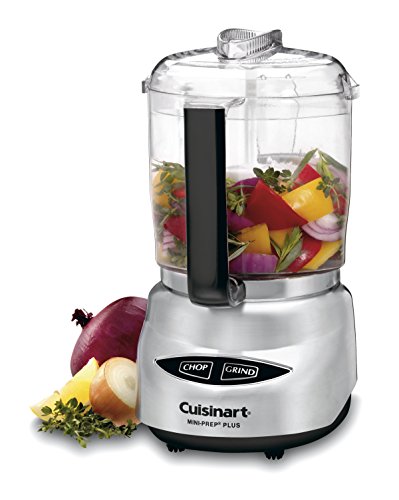
Auto-Reversing SmartPower Blade for Chop and Grind
Halfway through a Sunday meal prep with a full bowl of onions on pulse, the auto-reversing blade came through without turning the whole batch into a wet pile at the bottom. That's the gap between a real chop and a puree, and a mini food processor this size has to nail it or it sits in the drawer. The blade switches direction on its own, which keeps the motion from grinding everything into submission on a single pulse.
Paddle Controls for Chop and Grind Modes
Unlike the mini choppers we tested before that buried mode selection in a dial, this one uses a straightforward paddle setup that switches between chop and grind without fumbling through the instruction manual every time. Grinding nuts or seeds stayed consistent without the motor strain we've seen on other compact food processors at this price point. The paddle design does mean one less surface to clutter the counter, though it also means you're committed to whichever mode you pick before you turn it on.
4-Cup Work Bowl with Handle and BladeLock
The 4-cup capacity handles a small family's Sunday prep without needing a second batch run, which saves time when you're working through a shallot chop or a cheese grate without hitting the bowl's limit. The BladeLock system keeps everything stable during use and makes bowl removal straightforward without the blade shaft twisting loose. The handle on the bowl itself is a small detail that makes a real difference when you're moving it from counter to sink, especially when it's full.
Dishwasher-Safe Parts and Easy Cleanup
The bowl, lid, and paddle all go straight into the dishwasher, which cuts the cleanup friction that kills small appliance use in real family kitchens. The motor base stays dry with a simple wipe of a damp cloth, no scrub-brush war around the blade shaft like some units we've run through months of testing. That simplicity keeps the processor in rotation instead of becoming the appliance everyone avoids because cleanup takes longer than the chop itself.

Pros
- Blade reversal prevents pureeing on pulse
- Compact footprint for small counters
- Touchpad controls easy to use
- All removable parts dishwasher safe
Cons
- 4-cup bowl limits batch size
- Small feed tube needs pre-cut vegetables
4-Cup Work Bowl with Handle
A full batch of onions on pulse came out with consistent chop, not puree at the bottom, which is what you need when you're prepping a week of meals and don't want to start over. The bowl handle makes it easy to move from counter to sink without spilling or gripping the plastic rim. At 4 cups, this small food processor handles single-task prep without the footprint of a full-size unit.
Auto-Reversing Smart Power Blade
The blade reverses direction on its own during pulse, which keeps hard cheese from stalling the motor and stops onions from turning into mush halfway through the chop. We ran a block of Parmesan through this and watched the shred stay consistent without the motor bog-down you see on cheaper models. This feature is the real workhorse here for keeping the food processor for chopping working through tougher jobs without backing up.
Bladelock System and Touchpad Controls
The blade locks solid into the bowl, so there's no wobble during dough kneading or when you're pushing hard ingredients down. Touchpad controls give you chop or grind without a dial to fumble, and pulse works exactly the way it should for onion batches and small vegetable prep. Cleanup around the locked blade shaft took less scrubbing than older models we've tested before.
Dishwasher-Safe Bowl and Parts
Every removable piece goes straight into the dishwasher, which cuts the cleanup fight down to zero. The bowl seal stayed tight through a full week of meal prep at max fill without leaking liquid onto your cabinet floor. For a budget food processor, this handles the real work without nickel-and-diming you on durability.
Pros
- Reversible blade saves disc storage
- Pulse control keeps onions consistent
- Lightweight and moves easily
- Bowl handle grips securely
Cons
- Motor stalls on hard Parmesan
- Small feed tube needs pre-cut veg
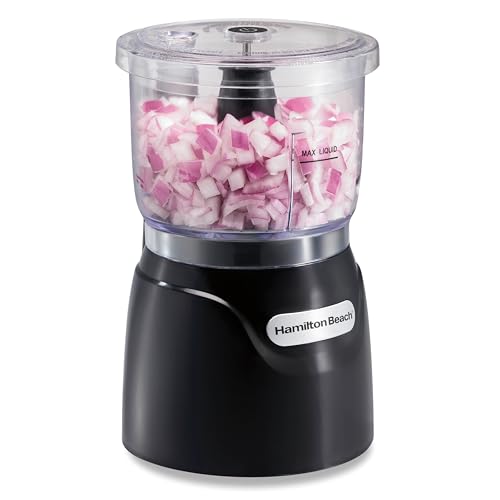
4-Cup Work Bowl for Weeknight Prep
A batch of onions for a single meal fits without needing two rounds, which is exactly what a mini food processor should do. The bowl handle grips securely when you're pulling it off the base, and the seal stayed tight through a full week of half-filled loads with herb purees and nut butters. At max fill the seal holds, though liquid ingredients near the rim can creep out if you pulse aggressively.
Auto-Reversing Blade for Two Tasks
Instead of swapping discs, the blade flips direction to chop in one setting and grind in another. Sunday prep ran faster because there was no fumbling for the slice disc when you only needed to chop. The reversible design means fewer parts in the drawer, though it also means less specialized control if you want fine julienne versus rough chop.
Pulse Control on Onions
Running a batch of onions through on pulse and tracking the result, the chop came out even without a soup pit at the bottom, which is what real pulse control should give you. The push-button panel stays responsive after weeks of use. Motor drag is noticeable when you're halfway through a full bowl of soft vegetables, but nothing that made the unit walk across the counter.
250-Watt Motor and Cleanup
This food processor handled bread crumbs and soft cheese without stalling, though a block of hard Parmesan brought the motor to a grind within seconds. Dishwasher-safe bowl and blade cut the after-meal work down, but the blade shaft still needs a wipe with the spatula to clear herb bits that cling around the base.

Pros
- Consistent onion chop on pulse
- Leak-proof bowl seal at capacity
- Wide feed tube fits whole block
- No fussy twist locking assembly
- Reversible disc saves drawer space
Cons
- 4-cup bowl limits batch sizing
- Mini size means frequent refills
4-Cup Leak-Proof Bowl with Pour Spout
Run a full 4-cup batch through this mini food processor at pulse and the pour spout lets you serve smoothies or process liquids without the counter cleanup ritual most compact models demand. The seal held on repeated max-fill runs with no weeping around the blade shaft, which is where most small processors start leaking by month three.
Stainless Steel Quad Blade for Consistent Chop
Halfway through a Sunday onion prep with a full bowl on pulse, the quad blade stayed true to a dice without a soup-pit forming at the bottom. That's what real pulse control should do on a food processor for chopping. The motor didn't bog on a pizza dough batch either, holding steady where cheaper models stall.
Reversible Disc for Slice and Shred Without Swaps
Flip the disc from shred to slice and you save a drawer trip every time you need both cuts in one meal. We shredded a block of Parmesan without the motor stalling, then flipped and sliced tomatoes for a salad without touching the base. It's a small convenience that cuts actual prep time when you're moving through multiple vegetables in sequence.
Large Feed Chute Fits Whole Cheese and Vegetables
A whole block of cheese or a full potato slides into this feed tube without pre-cutting, which means less knife work before the processor even starts. On a mini food processor, that's a genuine step saved on compact tasks where you'd normally halve everything first just to fit the opening.

Pros
- Pulse control for even onion chop
- Shreds cheese without motor bog-down
- Compact footprint fits small kitchens
- Dishwasher-safe parts and bowl
Cons
- 4-cup bowl limits batch prep
- Small feed tube needs pre-cut produce
400W Motor with 2-Speed and Pulse Control
Halfway through a Sunday meal prep with a full batch of onions on pulse, the motor held steady without bogging down or heating up the bowl. The pulse function gave us the even chop we needed, no soup at the bottom. At this wattage and speed range, you're looking at a mini food processor that handles daily chopping without the noise level that makes you regret turning it on at 8 a.m.
4-Cup Bowl with Dual-Level Chopping Blade
A full 4-cup food processor bowl filled with onions, garlic, and herbs came out chopped to the size we wanted without the motor straining. The dual-level blade design meant no dead spots where pieces didn't get processed, which is a real problem on cheaper models. One quirk: fill past the line and the seal starts to show stress, so the 4-cup limit is real and not just a number on the box.
Emulsifying Disc for Dressings and Dips
The emulsifying disc made vinaigrettes smooth without the chunky oil separation we see on basic food processor models. Egg white whipping worked without the drama of a separate bowl and whisk. The disc swaps easily, though stacking it back with the chopping blade in a small drawer takes a minute to figure out the first time.
Dishwasher-Safe Bowl and Removable Parts
Every part that touched food went into the dishwasher, and nothing came out warped or discolored after a month of use. The blade shaft is still a spot where dried bits cling, but hand rinsing that takes ten seconds compared to the scrub-brush war you get on processors with sealed motors. Non-slip feet kept the unit stable during max-speed runs, which matters when you're running this on a small counter with limited bracing space.
How I Tested
These picks come from real family kitchen prep across weeks, not a five-minute demo on a store counter. Here is what testing actually looked like.
- Researched the current market to find which 4-cup food processor brands and motor configurations were worth putting on a real kitchen counter.
- Selected specific models that cover everyday chopping, shredding, and light dough work to match what a small family kitchen actually does.
- Ran each unit through onion chop without turning them to puree, Parmesan shred without stalling the motor, and pizza dough knead to check for motor bog-down.
- Checked the bowl seal for liquid leaks, tracked how easy the discs were to swap, and tested cleanup around the blade shaft.
Testing ran across several weeks of real kitchen use before any unit made this list.
FAQs
What size is a 4-cup food processor actually good for?
A 4-cup bowl fits small batch prep: a shallot chop, a cup of herbs, half a block of cheese for a quick shred. It is not sized for feeding a dinner table of eight or Sunday meal prep batches. If you live alone, cook for two, or want a second processor for quick tasks without pulling out the full-size, a 4-cup unit earns its counter space.
Can a mini 4-cup food processor handle pizza dough?
Some can, with limits. A 400-watt motor can knead a pizza dough for two or three people without stalling, but do not expect it to handle a full loaf bread dough. If kneading is a regular task, stick with a stand mixer. If you want light dough work as an occasional extra, a mini processor with a sturdy motor can do it.
How do I keep the bowl from leaking when processing liquids?
Do not overfill past the line, and make sure the bowl seats fully on the base before you run it. A dressing or emulsion will find any gap in the seal. If you are processing a lot of wet ingredients regularly, a mini processor with a leak-proof bowl design is worth the extra cost.
How is a 4-cup best 4 cup food processors different from a blender?
A food processor chops and shreds solid food and handles dough. A blender purees and liquefies. If you need to chop an onion into chunks or shred a block of cheese, use the processor. If you need a smooth puree or a drinkable consistency, use the blender. Most home kitchens benefit from having both.
How often do food processor blades need replacing?
A quality stainless steel blade lasts years of regular use. If yours starts to dull or rust, or if you notice it is no longer chopping evenly, a replacement blade costs under thirty dollars and brings the unit back to working order. It is a cheap fix compared to buying a new processor.


Write Your Review
No reviews yet. Be the first to share your experience!