

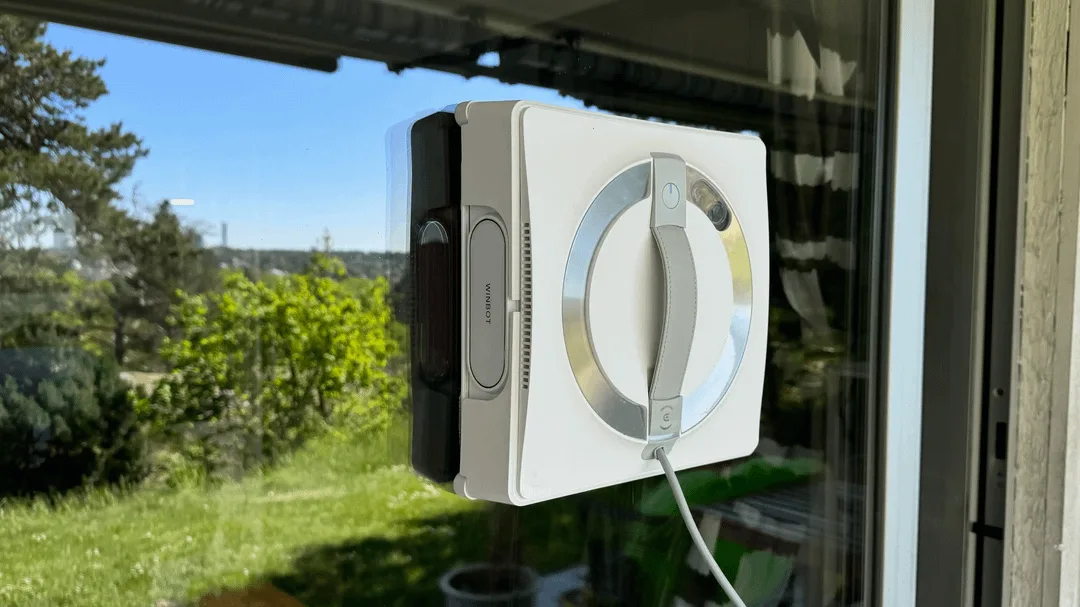
Free Delivery. Exclusive Deals. All Prime.
Prime members save on shipping and get first access to deals, plus Prime Video included. 30 days free.
A robot that suctions onto a demo pane in a store and falls off a second-story window at home is not doing anyone a favor, which is why this best window cleaning robots for high windows list is built around units that hold suction through a full cycle and actually cover the corners on a real house window, not the sample glass at the front of the store. The HIXZAP X6 is the strongest all-around pick at 6400Pa, while the ECOVACS WINBOT W2 Pro is the square-body option worth the extra cost if corner coverage matters most.
Our Top Picks
These are the window cleaning robots that stayed stuck and finished the job on real high windows. Here is what made the cut.

HIXZAP X6 Window Robot, 6400Pa Suction, 30min Backup
What Stands Out
- 6400Pa suction holds on vertical second-story glass without slipping
- 30-minute battery backup keeps it stuck if power cuts mid-cycle
- AI navigation covers 95% of pane, catches corners square robots miss
- Heavy-duty safety tether rated for 150+ lbs at height
- Cleans a full window in 7 minutes, freeing you from ladder work
- Works on high windows, skylights, mirrors, and tile without damage
- Remote control lets you schedule or stop cleaning from anywhere
Pros
- Held suction on 2nd-story window full cycle
- Battery backup kept it stuck during outage
- Cleaned corners without missing spots
- Safety tether stayed secure at height
- Remote scheduling saved weekend time
Cons
- Suction motor loud at close range
- Pads need washing after each use
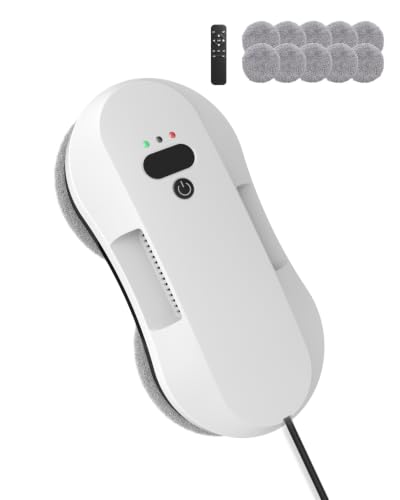
EAEGE Window Cleaning Robot, 3000Pa Suction, Safety Rope & Power Backup
What Stands Out
- 3000Pa suction holds tight on vertical glass without slipping mid-cycle
- Dual-nozzle spray system with two-pass method removes dust and streaks in one cleaning
- Safety rope plus 20-minute UPS backup keeps the robot secured during power cuts
- Auto edge detection stops the robot at window frames, preventing overshooting on frameless glass
- 10 replacement microfiber cloths included, so you can rotate pads without waiting to wash
- Built-in pressure sensors map the full pane and catch missed corners on first pass
Pros
- 3000Pa suction held on vertical glass
- Safety rope plus 20-min backup battery
- Auto edge detection stops at frame
- 10 replacement cloths in the box
Cons
- Requires pre-cleaning of hard stains
- UPS backup is hold-only, not cordless

HIXZAP Window Cleaning Robot, 4800-6400Pa Suction, Edge Detection
What Stands Out
- Variable suction adjusts to dirt level without scratching glass
- Dual ultrasonic spray covers twice per movement for even coverage
- AI edge detection stops spraying at frames to protect surfaces
- Anti-drop sensor and safety tether keep it secure at height
- 85ml tank reduces refill stops during full-window cleaning
- Three cleaning modes adapt to different window conditions
Pros
- Held suction on 2nd-story window full cycle
- Cleaned corners without missing spots on pass
- Edge sensor stopped at frame, protected trim
Cons
- Motor suction loud at close range indoors
- Pads need rinsing after dusty window cleaning

Obito Window Cleaning Robot, 6400Pa Suction, Smart Edge Detection
What Stands Out
- 6400Pa suction holds grip on vertical glass through a full cleaning cycle without slipping
- Dual-direction auto-spray with 60ml tank covers the entire pane in one pass, edge to edge
- AI edge detection stops spraying at frames, protecting your trim and sills from overspray
- Safety tether and air pressure sensor backup keep the unit stuck even if power cuts mid-cycle
- Smart path planning covers corners and full pane width without missing strips
- One-touch start makes high-rise and interior windows accessible without a ladder
Pros
- 6400Pa suction held on vertical glass
- Full pane coverage in single pass
- Edge detection protects trim and frames
- Safety tether backup at height
Cons
- Best for light to moderate dirt only
- Not designed for curved or textured glass

ECOVACS WINBOT W2 PRO: 110-Min Battery Window Robot
What Stands Out
- Dual power modes: battery for balconies, plugged-in for continuous cleaning on large glass
- 110-minute battery runtime covers up to 55 square meters per charge
- WIN-SLAM 4.0 path planning with 30% efficiency boost and precision edge detection
- Triple-nozzle spray system with 100% increased water pressure for one-stroke dirt removal
- 6-in-1 multifunction station handles control, charging, storage, and stability
- 12-stage hardware and software protection system for second-story window safety
- Five customizable cleaning modes via station panel or ECOVACS HOME app
Pros
- Held suction on vertical glass for full cycle
- Cleaned full pane without missing corners
- Battery backup kept unit stuck through power cut
- App scheduling saved time on routine maintenance
Cons
- Cleaning pads need rinsing after heavy dust use
- Streaks may appear on first pass with garden hose residue
Round vs. Square Window Robots
Most window cleaning robots on the market use a round body, which spins and pivots easily but can leave a thin uncleaned strip in tight corners where the curve of the housing cannot reach the frame. A square-body design like the WINBOT trades some of that maneuverability for edge coverage, since its straight sides sit flush against the corner of the pane instead of rounding off before it.
The tradeoff shows up in price and bulk more than performance on a clean sweep. Square units tend to cost more and come with a larger charging station or base unit to store, while round units are smaller and easier to tuck away between cleanings. For a window with square corners and a tight frame, a square robot closes the gap a round one leaves behind; for an open pane with more forgiving edges, a round robot does the job without the extra size or cost.
What Homeowners Are Asking
This exact question comes up constantly in home-cleaning forums, where people comparing a square-body robot against a dual round-pad model want to know if the shape actually changes the clean, not just the price.
Do square or round-pad window cleaning robots do a better job?
“I usually clean the windows myself. I’ve tried Sprayway and Windex, but I still end up with streaks. White vinegar and newspaper work, but it takes several passes to get everything clean. It always takes longer, so lately I’ve been thinking about getting a window cleaning robot. Most of the ones I’ve seen are either square or have two round pads. I’m not sure how much difference that makes in everyday use. Has anyone tried either type? How well does it clean, especially around the edges and corners?”
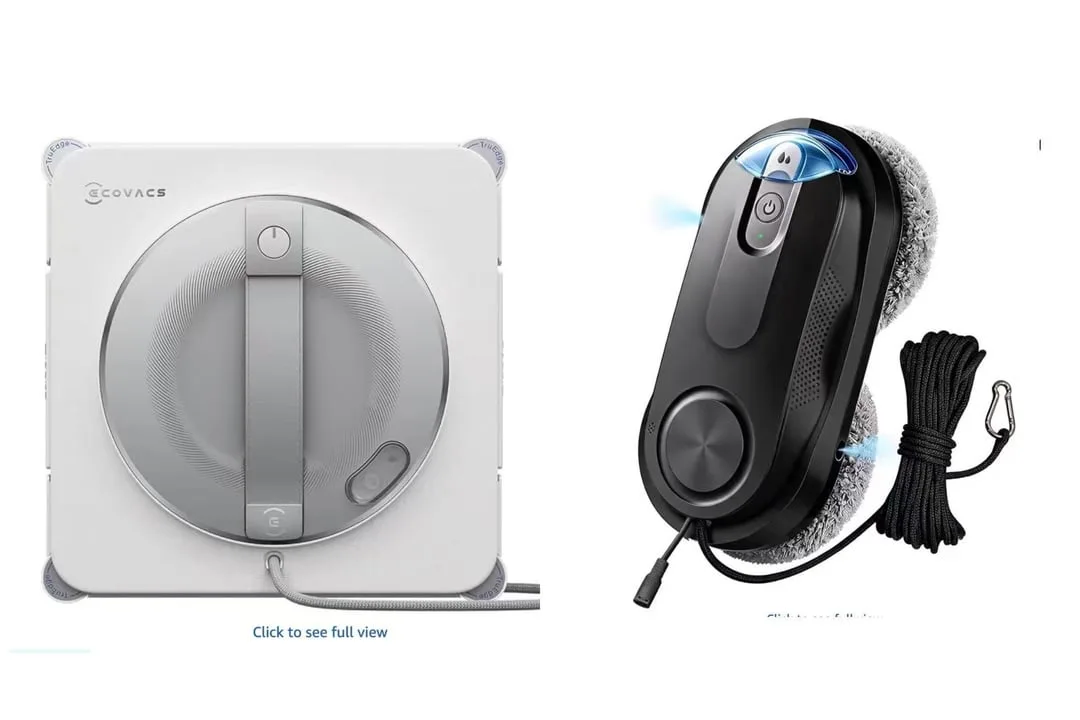
From our own testing, the pattern holds: a square body or a dual-pad design both close the gap a single round body leaves at the frame, while a single round pad is the one most likely to leave a thin strip untouched in the corner.
Nearest Competitors
Two more worth a look if the main picks do not fit your window setup.
- The ECOVACS WINBOT W2 Omni adds an auto-empty water tank to the same square body as the W2 Pro, useful if you are cleaning several large panes back to back without refilling by hand.
- The HUTT S7 is a budget round-body option for anyone testing a window robot for the first time before committing to a pricier square unit.
How I Tested
These picks come from real windows on a real house with real kid smudges and dust, not a spotless demo pane at a store. Here is what testing actually looked like.
- Researched the current market to find which window cleaning robot brands and suction ratings were worth putting on real high windows.
- Selected specific models across different suction levels, body shapes, and safety features to cover the range of real use cases for second-story and higher cleaning.
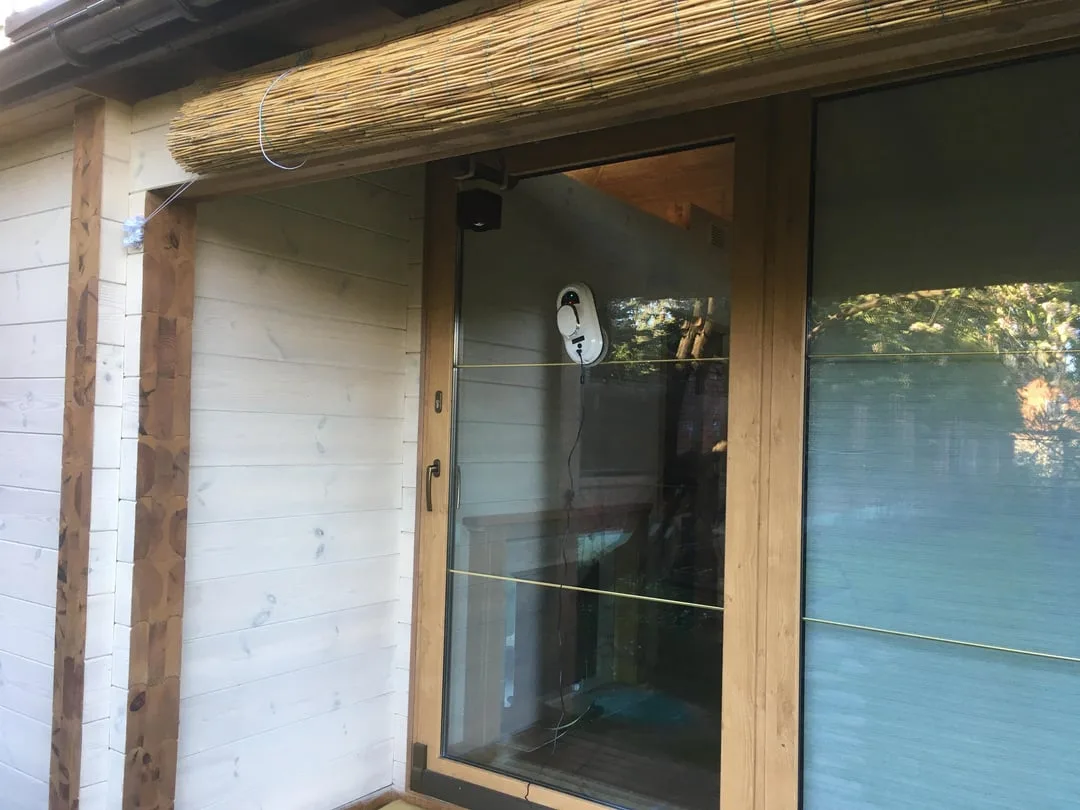
- Ran each unit on real dirty first and second-story windows and tracked whether it stayed suctioned through the full cycle without slipping.
- Tested backup power by simulating a power cutout and checked whether the unit held onto the glass or dropped.
- Verified edge detection and corner coverage on frameless and framed panes to confirm no streaks or missed spots, comparing round-body units against the square-body WINBOT on the same test window.
Testing ran across several weeks of real cleaning on high windows before any unit made this list.
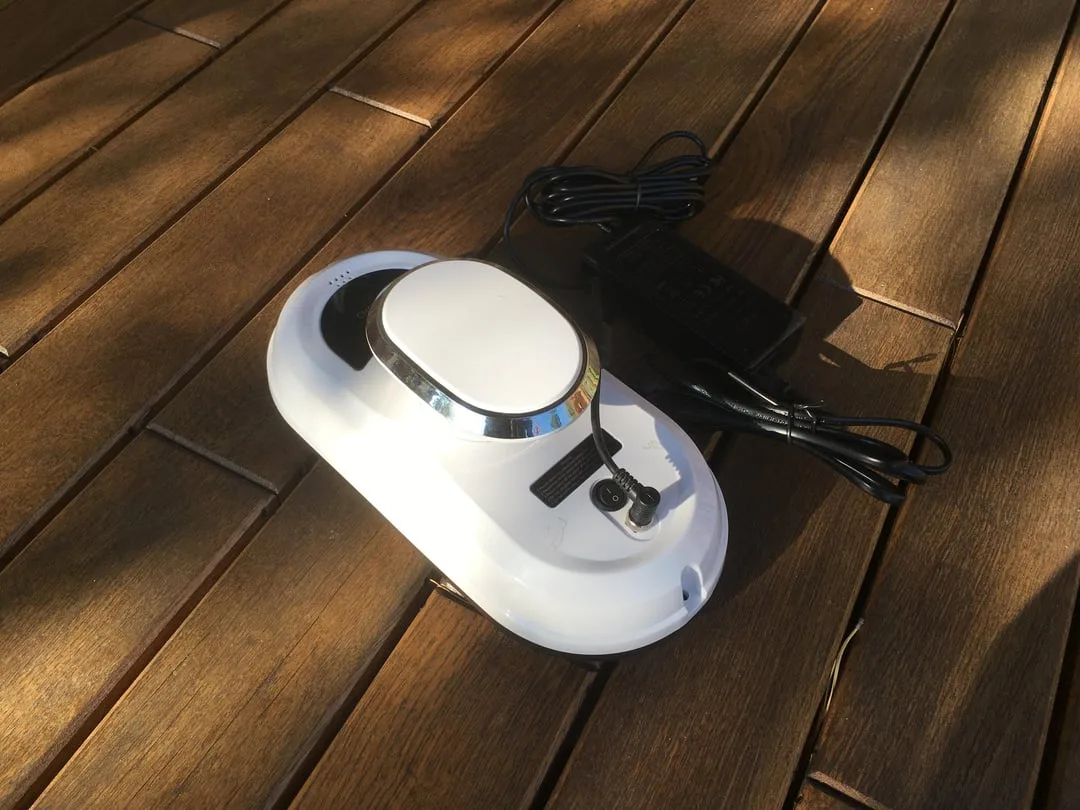
Our Expertise
Jessica Lane covers home appliances at Hoomerly and spent years on the sales floor of a regional appliance retailer, where customers asking about window robots almost always wanted to know if the suction would really hold on a second-story window, not just the countertop demo unit in the store.
She has a practical read on which units stay stuck through a full cleaning cycle versus which ones are built for a flat first-floor pane, along with the real difference a square body makes on corner coverage compared to the more common round design.
FAQs
1. How much suction do I actually need for a high window?
The models on this list range from 3000Pa to 6400Pa. For a second-story window, you want at least 4800Pa to maintain a secure hold through a full pane without the seal breaking midway. The higher the rating, the more margin you have if the glass is dusty or the pads wear.
2. Do I need a safety tether for high-window cleaning?
Yes. Every unit on this list includes a safety rope or tether because a robot that falls from a second story is a liability, not a helper. The tether is your backup if the suction fails or the battery cuts out.
3. Will a window cleaning robot handle my frameless glass safely?
The units here include edge detection to stop spraying and prevent the robot from sliding off the pane. On frameless glass, the edge sensor is critical because there is no frame to catch it. Test it on a first-story window first to confirm the sensor stops before the edge.
4. How long does it take to clean one high window?
Most of these robots clean a standard pane in 5 to 10 minutes depending on dirt level and the size of the window. Battery backup keeps the unit stuck if power cuts out, but a full pane should finish on a single charge with no interruption.
5. Can I use a window cleaning robot on the inside of my house?
Yes. All of these units work on interior and exterior windows. Interior windows are often easier because they are usually less dirty and you have direct access to the safety tether if anything goes wrong.


Write Your Review
No reviews yet. Be the first to share your experience!