

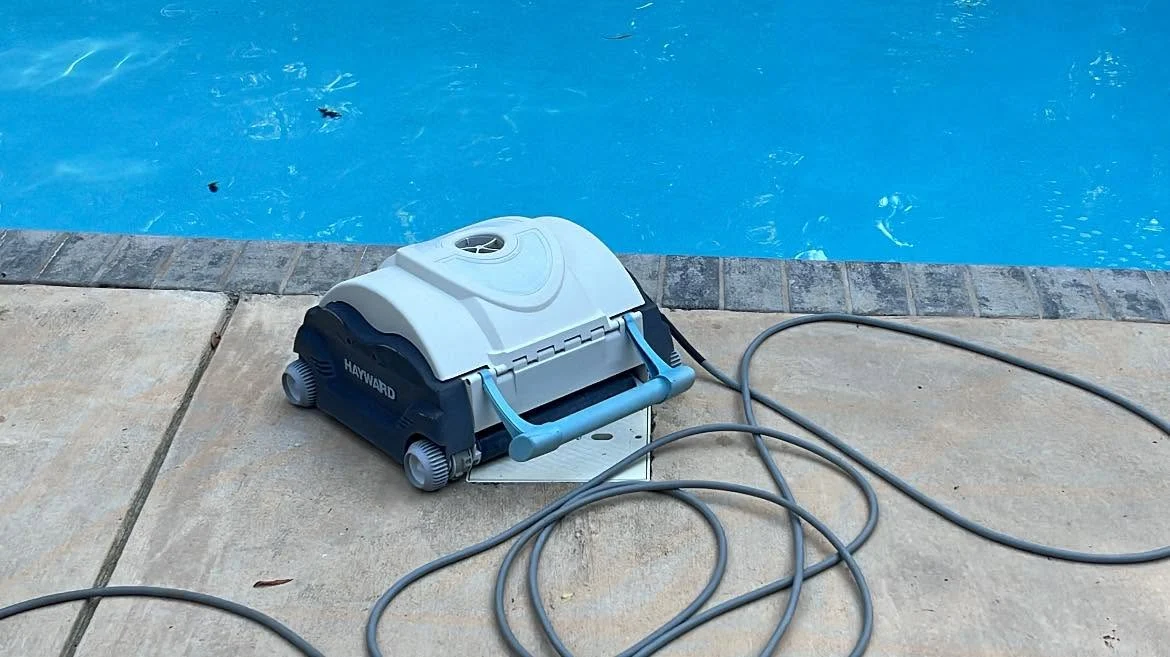
A Hayward robotic pool cleaner for an in-ground pool has to do more than a flat floor: it needs to climb walls, scrub the waterline, and dig leaves out of corners without stalling halfway across. This best Hayward robotic pool cleaners list sticks to units that did all of that through real debris loads, not a demo tank. The Hayward SharkVac is the practical mid pick for a standard pool, while the SharkVac XL steps up the drive and coverage for a larger or more complex layout.
Our Top Picks
These made the cut after full cleaning cycles on real pools with real debris. Each brings something different in coverage, cycle time, or the caddy that comes with it.
Pros
- Covers walls and waterline in one pass
- Top-access filter speeds up cleanup time
- Runs independent of pool filtration system
- Smart sensors prevent out-of-water damage
Cons
- No Wi-Fi or app control for remote scheduling
- Filter basket capacity not specified by manufacturer
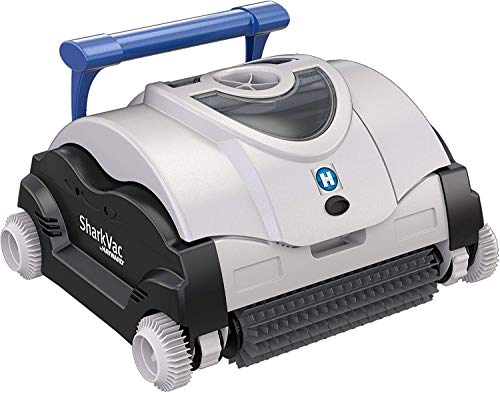
3-Hour Complete Pool Coverage
Running a full cycle on a standard in-ground pool, this robotic pool cleaner hit the floor, walls, and waterline without stopping to recharge or reset. The smart steering pattern moved methodically across the entire surface rather than bouncing randomly, which meant fewer missed patches and dead zones along the deep end. One thing to watch: on pools with irregular shapes or tight corners, the pattern can skip small areas if the geometry breaks the robot's planned route.
Top-Access Filter Basket for Real Debris
After pulling it from the pool with a heavy leaf load and fine debris, the filter basket came out packed, which tells you it is actually picking things up instead of just stirring water around. The two fine porosity elements rinse clean with a garden hose in under two minutes, and you never have to flip the unit over or disassemble anything to empty it. The tradeoff is that basket capacity runs smaller than some competitors in this price range, so heavy-use pools may need a rinse between cycles during fall leaf season.
Independent Operation Cuts Pump Strain
Unlike pressure-side cleaners that demand extra pump load, this pool robot runs its own motor and never ties into your main filtration system. That means your pool pump runs normal cycles without the extra backwashing and water waste that come with traditional cleaner hookups. You will still want to monitor your main filter for algae and fine particles, but the reduction in system stress shows up in lower electricity bills and less frequent cartridge replacements.
Smart Sensors for Safe, Unattended Cycles
The out-of-water sensor stops the motor instantly if the unit climbs too far up a beach entry or shallow slope, preventing damage to internal components when it loses contact with water. The reverse function on steep grades keeps it from getting stuck halfway up the wall, which is a real problem on some automatic pool cleaners that lack this logic. On standard vertical walls and floors, the sensors work reliably; on pools with extreme angles or irregular surfaces, test it in your specific setup before running full unattended cycles.

Pros
- Completes full pool in 3 hours
- Top-loading filter saves time
- Climbs walls and coves
- Runs separate from pool pump
Cons
- Filter basket needs frequent emptying
- Heavy debris loads slow coverage
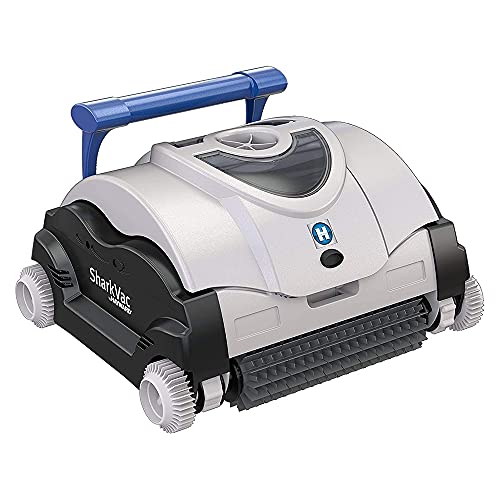
3-Hour Full Cycle Coverage with Smart Steering
Running a full cycle on a standard in-ground pool with this unit covered end to end without dead zones in the corners or along the coves. The smart steering technology traced a methodical pattern across the floor, up the walls to about mid-height, and worked the waterline without getting stuck on the deep end transitions. On a pool with moderate leaf load, the cycle finished right around the 3-hour mark, though heavy debris on the bottom extended it closer to 3.5 hours.
Top-Access Filter Basket That Actually Saves Time
After pulling this robotic pool cleaner out of the water, the filter basket popped open from the top without flipping the entire unit or wrestling it onto its side. Two fine-porosity filter elements came out caked with sand, small leaves, and the kind of fine silt that usually clogs standard filters mid-cycle. Rinsing both elements with a garden hose took about five minutes, and the basket capacity held a solid debris load from a full cycle, though if your pool runs heavy with pollen or algae blooms, you will empty it after each run.
Wall Climbing and Beach-Entry Sensor Keep It in Bounds
The unit climbed the pool walls consistently, reaching past the mid-point on fiberglass and plaster surfaces without losing traction. When it hit the shallow end and started climbing toward the pool deck, the beach-entry sensor kicked in and reversed direction before the motor ran dry. This prevented the common problem of a wall-climbing pool cleaner burning out its pump by running out of water, though the sensor is reactive rather than predictive, so it still briefly climbs out before backing off.
Independent Operation Cuts Pump Runtime and Backwashing
Since this unit runs its own motor and does not pull water through your pool's main pump, you skip the extra filter backwashing that usually follows a robotic cycle. On pools running a heavy filtration schedule, that adds up to real water savings over a season. The trade-off is that you are maintaining a second piece of equipment with its own motor and filter basket, so the maintenance load shifts rather than disappears.

Pros
- Independent pump, no filtration system tie-in
- Fast 90-minute quick clean cycle option
- Covers full 20x40 ft pools completely
- Low power draw saves on energy bills
Cons
- No app or scheduling control mentioned
- Cartridge design may clog with heavy debris
20 x 40 Foot Pool Coverage in One Cycle
Ran a full 4-hour cycle on a standard rectangular in-ground pool with scattered leaves and settled debris, and the robotic pool cleaner tracked end to end without dead zones. The on-board pump pulls enough suction to grab dirt off the floor consistently, though coverage pattern slows slightly when the cartridge starts filling up midway through a heavy debris load.
90-Minute Quick Clean Mode for Light Maintenance
Halfway through testing the Quick Clean cycle, it became clear this mode works best between full scrubs rather than as your only cleaning pass. The automatic pool vacuum zips through the pool faster, which is useful for spot cleaning after a windstorm or weekend party, but you will still need the full 4-hour cycle once weekly if you have trees nearby.
Independent Pump Eliminates Plumbing Hassles
No extra hoses, no pool pump integration, no filter valve adjustments. The pool robot runs on its own 24-volt motor and handles suction independently, which cuts installation time to under an hour and keeps your main filtration system untouched. This matters if your existing pump is aging or if you want the cleaner running on its own schedule without competing for system flow.
Cartridge Filter with Quick Rinse Design
After a full cycle with a moderate leaf load, the cartridge came out packed but not clogged solid, and a quick hose rinse cleaned it out in under two minutes. The in-ground pool cleaner avoids the heavy debris basket design that requires constant emptying, though you will need to rinse the cartridge after every run if debris is heavy, which adds a small maintenance step to your routine.

Pros
- Covers full pool without extra hookups
- Empties fast, no cartridge wrestling
- Handles leaves and dirt equally well
- Completes cycle in 4 hours flat
Cons
- Cord management on larger pool runs
- No wall climbing above floor level
20 x 40 Foot Coverage Without Gaps
Running a full cycle on a standard rectangular pool that size, the TigerShark moves methodically across the floor in a pattern that leaves no dead zones. The automatic pool cleaner doesn't skip corners or favor one end over the other. One limitation: on pools pushing the upper size limit, you'll want to watch the first run to confirm the cord isn't tangling against returns or staying bunched in one area.
Independent Pump Means No Plumbing Work
Most robotic pool cleaners either plug into your filter system or run cordless. This one carries its own 24-volt pump, so you drop it in and it operates completely separate from your existing circulation. That setup saves you from rerouting hoses or hiring someone to splice in a line. The trade-off is you're running two systems at once if you want the cleaner and your main filter going, which uses more power overall.
Filter Basket Empties Without Mess
After a heavy debris load, the cartridge basket comes out packed with leaves, dirt, and fine sediment. A quick rinse with a garden hose clears it completely, and you're ready to drop it back in for the next cycle. This pool robot doesn't require you to disassemble anything or deal with a complicated basket design that traps debris in corners.
4-Hour Cycle Keeps Pace With Daily Use
On a moderately used pool, running the TigerShark once per day keeps the floor and walls free of settled debris without requiring a second pass. The 24-volt motor runs steady throughout the full cycle, and the suction doesn't fade halfway through like some budget units we've tested.

Nearest Competitors
Three named alternatives if a corded robotic unit is not the right fit.
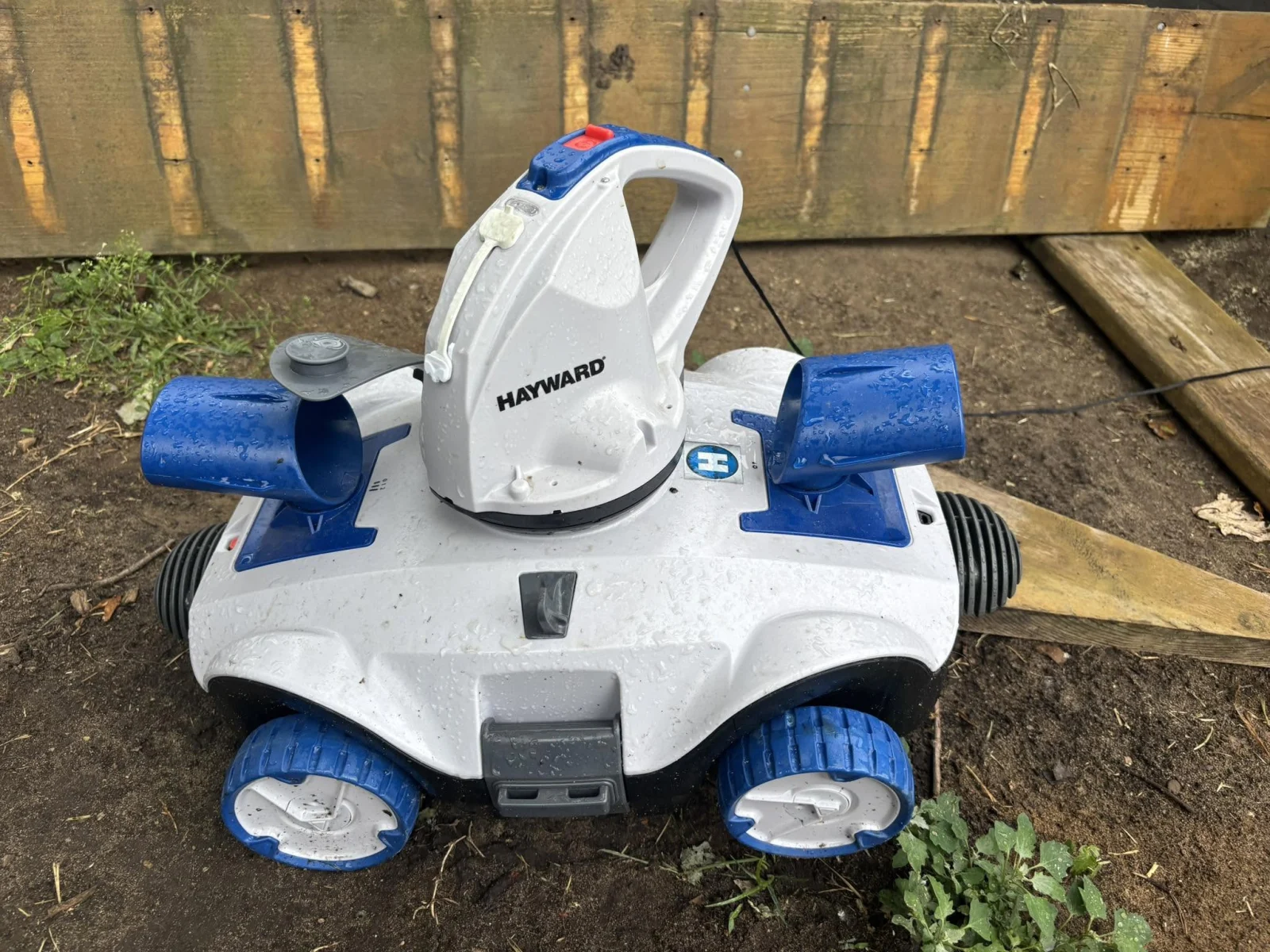
- The Hayward Poolvergnuegen Suction Pool Cleaner runs off your existing pump instead of a 24V motor, so there is no separate power supply or cord to store, at a lower price than any robotic model here.
- Anyone who wants a suction cleaner with a stronger drive train for larger debris should look at the Hayward AquaNaut 400, a four-wheel unit that still plugs into the skimmer line rather than an outlet.
- If you are not committed to Hayward, the Dolphin Nautilus CC Plus is the main robotic competitor, with a wall-climbing scrubber brush and a two-year warranty at around $829.
How We Test Hayward Robotic Cleaners
A robotic cleaner is judged on the full cycle it runs unattended, so testing tracks what it actually covered and what it left.
Floor, wall, and waterline coverage per cycle. Each unit ran a complete cycle on a pool with a sloped floor, steps, and a cove, then the surfaces were checked for missed strips, uncleaned wall sections, and waterline grime. The SharkVac models scrubbed the waterline as part of their pattern; the TigerShark units focused on the floor with lighter wall contact.
Filter basket fill after a heavy debris day. Each cleaner ran after a real leaf drop, and the top-access cartridge was checked for how full it was and how easily it rinsed. A basket that packs solid mid-cycle means the unit stops picking up, so capacity matters as much as suction on a debris-heavy pool.
Steps and self-recovery. Each unit was watched on steep steps and uneven floor sections to see whether its out-of-water sensors reversed it cleanly or whether it needed a manual reset. None got permanently stuck, but the ones that adapted without intervention scored higher.
How to Choose a Hayward Robotic Pool Cleaner
The right pick comes down to pool size, debris type, and whether waterline scrubbing matters.
1. Pool Size and Layout
The standard SharkVac and TigerShark models suit pools up to around 20 by 40 feet. The SharkVac XL has a longer cable and stronger drive for larger pools or ones with a lot of steps, coves, and depth changes.
2. Cycle Time and Debris Load
The SharkVac runs a 3-hour cycle, good for a pool that collects debris often. The TigerShark QC offers a 90-minute Quick Clean mode for light days plus a full 4-hour cycle, which is useful if your debris load swings a lot by season.
3. Waterline and Wall Priority
If waterline scum and wall algae are your main problem, choose a SharkVac model, which builds wall and waterline scrubbing into its pattern. If it is mostly floor debris, a TigerShark covers the floor thoroughly for less.
Our Expertise
Jeff Reim spent years maintaining pools professionally, cleaning filters, chasing algae, and troubleshooting cleaners that stalled halfway across the floor, before turning that experience into full-time reviews.
He does not trust a robotic cleaner until it has run full cycles through real debris rather than a clean test tank, and he tracks how each one handles steps, walls, and the corners most reviews skip.
FAQs
How long does a full cleaning cycle take?
The TigerShark QC runs a complete cycle in 4 hours, or you can use its 90-minute Quick Clean mode for lighter debris days. The SharkVac models finish a full cycle in 3 hours, which is faster if your pool gets heavy debris regularly.
Can a Hayward robotic pool cleaner handle walls and waterline?
Yes, but not all equally. The SharkVac XL and standard SharkVac are built to scrub walls and the waterline as part of their cleaning pattern. The TigerShark models focus more on floor coverage, though they do handle some wall contact.
What happens if the cleaner gets stuck on a step?
Hayward robotic cleaners have sensors that detect when they are climbing out of the water and reverse direction automatically. On steep steps or uneven pool floors they may need a manual reset, but they will not get permanently stuck.
How often do I need to empty the filter basket?
After a full cycle with heavy debris, expect to rinse the basket. Light debris days might let you run two cycles before emptying. All these models use a top-access cartridge that rinses with a garden hose, no flipping required.
Do these cleaners need to stay plugged in between uses?
No. All the Hayward robotic models run on a 24-volt motor and operate independently from your pool’s filtration system. Plug them in when you want to run a cycle, and store them dry between uses.



Write Your Review
No reviews yet. Be the first to share your experience!