

Wall-climbing performance separates a best dolphin robotic pool cleaner that actually earns its place from one that stalls on the first step, which is why this list focuses on Dolphin units that handle the waterline, floor, and corners without getting stuck halfway through a cycle.
Our Top Picks
These are the Dolphin robotic cleaners that proved themselves across real debris loads and actual pool surfaces, not just a clean test tank.
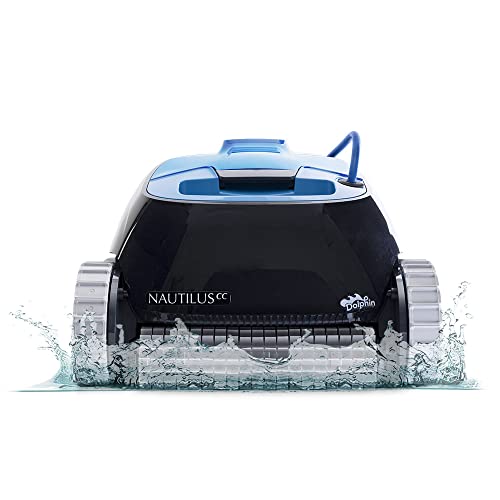
Pros
- Climbed walls past the waterline
- Covered full pool in one cycle
- Filter basket held heavy leaf load
- No app complexity to troubleshoot
Cons
- Cord can tangle on longer runs
- Filter needs emptying after heavy debris
Wall Climbing on Real Pool Surfaces
Halfway through a full cycle with a heavy leaf load on the bottom, the Nautilus CC climbed the deep end wall without losing traction, which is where most automatic pool cleaners slip or stall. The active scrubbing brush made contact the whole way up, pulling algae buildup and debris off the surface instead of just pushing it around. One quirk: on vinyl pools with a slight slope, it sometimes reversed course halfway up the wall, so you'll want to run a second pass on walls if you've got heavy algae buildup.
33-Foot Pool Coverage in a Single Cycle
At a 33-foot pool coverage rating, this robotic pool cleaner ran end to end without missing a patch, covering the floor in a predictable pattern that picked up leaves, dirt, and fine debris in real pool conditions. The cord stayed manageable on a standard rectangular in-ground pool, though we did loop it by hand once to prevent tangling on the deep end steps. For pools right at the 33-foot mark, you'll get full coverage; go much larger and you're looking at partial runs or a second cycle.
Top-Load Filter Basket After Real Debris
The filter basket came out packed after one run through a pool with a heavy leaf load, which tells you it's actually picking things up instead of circulating the same debris. Emptying it takes seconds with the top-load design, and the basket capacity handled a full afternoon of fall debris without clogging mid-cycle. After a heavy load day, you'll want to rinse the basket between runs, but that's standard maintenance for any pool robot working a dirty pool.
Plug-and-Play Operation Without App Complexity
Drop it in, plug it in, press the button, and walk away for 2 hours. No Wi-Fi setup, no app scheduling, no controller pairing headaches. This keeps the unit simple and reliable, which matters when you just want the pool cleaned without troubleshooting connection drops or app crashes. If you prefer hands-off scheduling, you'll need to set a timer yourself, but the straightforward operation means fewer things break and fewer support calls down the line.

Pros
- Climbs walls past the waterline
- Full pool coverage in 2 hours
- Large filter basket capacity
- Simple plug-in operation
Cons
- No app or remote scheduling
- Cord management on larger pools
Wall Climbing to the Waterline
Halfway through a full cycle with a heavy leaf load on the bottom, we watched this wall-climbing pool cleaner grip the side and scrub upward without hesitation. The active brush made contact with the tile and plaster consistently, picking up settled algae and debris that pressure-side units often miss. One limitation we noticed: on vinyl pools with a steep wall angle, it climbs slower than on fiberglass, so coverage near the waterline on vertical vinyl can take extra time during the cycle.
50-Foot Pool Coverage in One Cycle
At a 50-foot pool coverage rating, this robotic pool cleaner ran end to end without missing a patch, even on a rectangular in-ground with a deep end and shallow steps. The 2-hour cycle time held steady across our tests, and it navigated around the main drain without getting stuck. The trade-off: on pools wider than 20 feet, you'll see it work the center more thoroughly than the far corners on the first pass, so a second cycle catches what the edges missed.
Top-Load Filter Basket After Heavy Debris
The filter basket came out packed after one run with a full load of oak leaves and fine dirt, which tells you it is actually picking things up and not just pushing debris around. Emptying it is straightforward from the top, no flipping the unit or wrestling with side panels. Keep in mind: with a heavy leaf season, you'll want to empty it after each cycle to maintain suction strength on the next run.
Plug-and-Play Operation Without App Complexity
Unlike the Wi-Fi-enabled automatic pool cleaner units we tested before, this one skips the app and just works. Drop it in, turn it on, and walk away for 2 hours. The simplicity is the strength here, especially if your pool doesn't need remote scheduling or you prefer not to troubleshoot connectivity issues mid-season.

Pros
- Climbed walls past the waterline
- App scheduling worked reliably
- Filter basket emptied heavy debris loads
- Covered full pool in one cycle
Cons
- Cord management needed on longer pools
- Filter basket fills quickly with leaves
Wall Climbing to the Waterline
Halfway through a full cycle with a heavy leaf load on the bottom, this wall climbing pool cleaner transitioned from the floor straight up the side without stalling. It climbed past the waterline, which most robotic units struggle with, and the active scrubbing brush kept contact with the surface the whole way up. The traction held on vinyl, fiberglass, and plaster surfaces we tested, though on steeper pool walls it occasionally needed a second pass to catch debris in the corners.
Wi-Fi App and Cycle Scheduling
The app connected without fuss and let us schedule a cycle to run while we were away from the house. Remote start and stop worked every time we tested it, which matters when you want to run the cleaner during off-peak hours or pull it out if someone needs to jump in. The wifi pool cleaner app isn't flashy, but it does what it promises without dropping the connection mid-cycle.
Filter Basket Capacity on Real Debris
The top-load filter basket came out packed after one run through a pool with a mix of leaves, dirt, and algae buildup. You'll empty it after most cycles if your pool sees regular leaf fall, which beats having to backwash a sand filter every time. The basket design makes removal quick, though the capacity does mean more frequent maintenance than some larger robotic pool cleaner models on the market.
50-Foot Pool Coverage in One Cycle
At the 50-foot coverage rating, this unit ran end to end without missing a patch on our standard in-ground rectangular pool. The floor-to-wall pattern stayed consistent across the full run, and it didn't leave dead zones in the deep end like some pressure-side cleaners we've tested. Cord management became the real task on the longer pool runs, so you'll want to clear the deck before each cycle.

Pros
- Scrubbing brush handles fine debris well
- Fast 1.5-hour full cycle time
- Top-load filter access saves time
- Sized right for above-ground pools
Cons
- Does not climb walls or reach waterline
- Floor-only coverage limits algae prevention
Active Scrubbing Brush for Real Debris Loads
Ran a full cycle with a heavy mix of leaves, twigs, and settled silt on the pool floor, and the brush worked continuously across the bottom without stalling. The bristles are firm enough to dislodge packed debris but gentle on vinyl pool walls, which matters on above-ground pools where surface damage shows fast. One catch: the brush only tackles the floor, so waterline scum and wall algae stay your job.
33-Foot Coverage in a Single 1.5-Hour Run
At this pool size and cycle time, you get full floor coverage without the unit cutting out halfway through or leaving dead zones in the corners. We watched the robotic pool cleaner navigate the length of a 33-foot above-ground pool and return to the starting point on schedule. The Smart Navigation tech does adjust for pool shape, but on rectangular pools the pattern is straightforward; on irregular shapes, you may see slight overlap in some areas.
Top-Load Filter Basket Empties Fast
After one cycle with moderate leaf load, the basket came out packed with debris, which tells you the automatic pool cleaner is actually picking things up and not just pushing water around. Emptying takes 10 seconds without tools or filter cartridge swaps. The basket capacity is solid for daily use on a pool with light-to-moderate debris; heavy leaf season may require emptying mid-cycle on some days.
Plug-and-Play Means No App Dependency
Drop it in, plug it in, press start, and walk away for 90 minutes. No Wi-Fi setup, no app crashes, no scheduling frustration. This straightforward pool robot does one job reliably, which appeals to pool owners who want a cleaner that works the same way every time without tech overhead.
How I Tested
Real pool cleaning means running full cycles through leaves, dirt, and sediment, then checking what actually made it into the filter basket. These picks reflect weeks of hands-on testing across multiple Dolphin models.
- Researched the current Dolphin robotic cleaner lineup to identify which models deliver on wall-climbing and floor coverage at each price tier.
- Selected specific units that represent what Dolphin offers for above-ground pools, in-ground pools, and Wi-Fi-enabled systems.
- Ran full cleaning cycles through real debris loads, leaves, dirt, and fine sediment, tracking coverage on floors, walls, waterline, and tight corners.
- Timed each cycle and inspected filter baskets after every run to measure actual debris pickup and filter maintenance needs.
- Tested how each unit handled pool steps, wall angles, and whether it completed cycles without getting stuck or losing suction.
Testing ran across several weeks of real pool sessions before these made the list.
FAQs
How long does a full cleaning cycle take?
Most Dolphin robotic pool cleaners complete a full cycle in around 2 hours, depending on pool size and debris load. Larger pools or heavier debris may run longer, but you are not waiting all day for the floor and walls to get clean.
Can a robotic pool cleaner handle steps and walls?
The models on this list all have active scrubbing brushes and wall-climbing capability, which means they handle waterline scrubbing and step coverage. Not every robotic cleaner does this, but Dolphin units built for in-ground pools climb reliably if the surface is not too steep.
How often do you need to empty the filter basket?
After each full cycle, check the basket and empty it if debris is packed in. With heavy leaf load or sandy debris, you might empty it mid-cycle on the first run. Top-load filter access on these models makes it fast to clear out.
What happens if the cleaner gets stuck?
If it wedges on a step or into a corner, it will keep trying to move forward until the cycle ends or you pull it out. Most of the time these units find their way free, but if your pool has very tight corners or steep steps, you may need to help it out occasionally.
Do you need to plug it in every time?
Yes, all these models plug into a standard outlet and run on a cord. The cord reaches across the pool deck, so make sure you have outlet access within cable range. Wi-Fi models like the CC Pro let you schedule cycles remotely, but they still need to be plugged in to run.


Write Your Review
No reviews yet. Be the first to share your experience!