

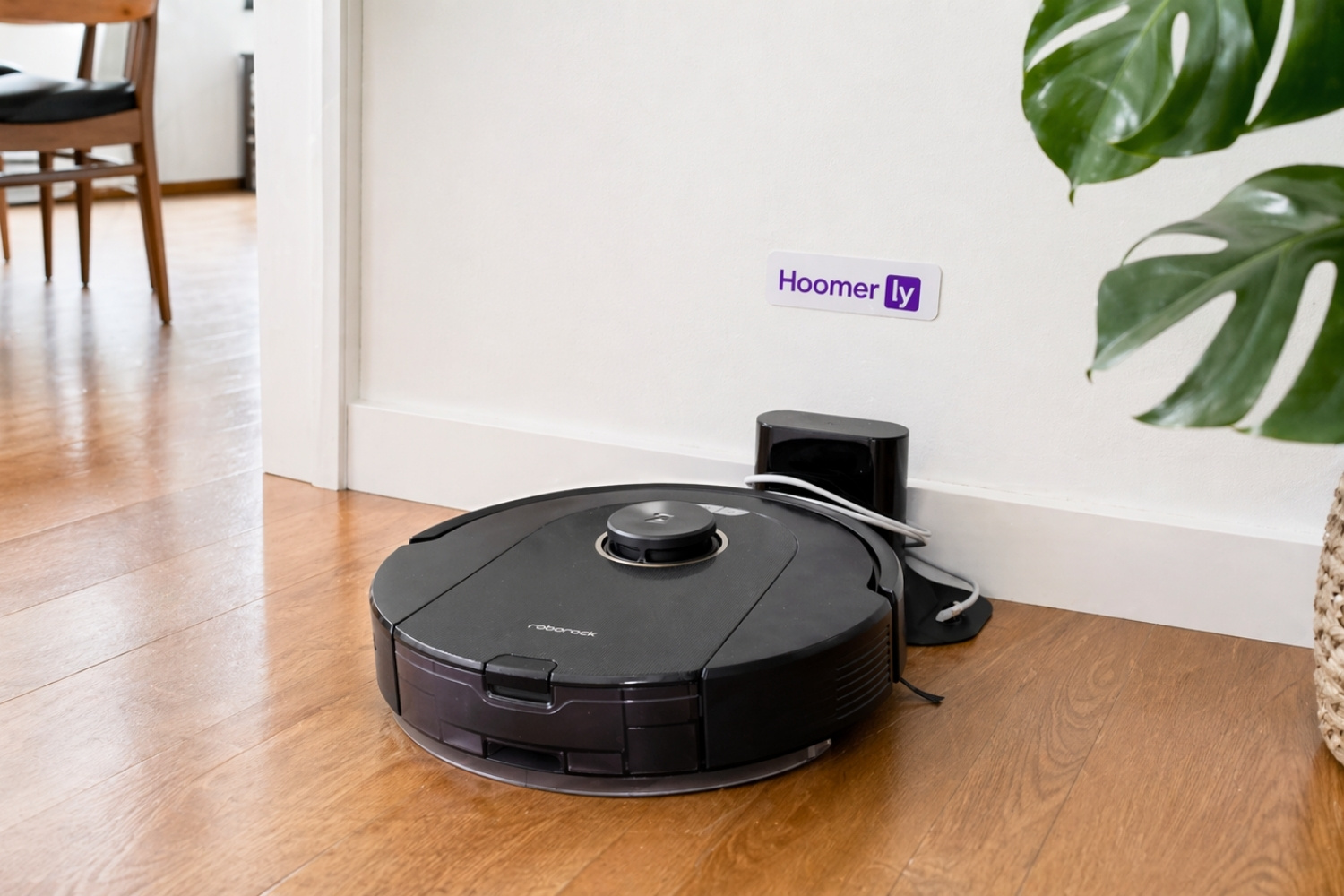
Vacuum cleaners, robot vacuums, floor washers, and upholstery cleaners all rely on the same basic principle: vacuum suction. With so many models on the market, these devices make cleaning easier than ever. But that same abundance of choice creates a real problem. How is anyone supposed to judge how powerful a vacuum actually is?
In many markets, manufacturers advertise suction using Pascals (Pa) or kilo-Pascals (kPa). Others use a less familiar unit called Air Watts (AW). Here’s the catch: these two numbers cannot be compared or converted into each other, because they’re measured under completely different conditions.
Airflow and Pressure: The Two Numbers That Matter
Before going further, it helps to understand the two core values behind any vacuum’s suction performance.
- Pressure is measured in Pa or kPa.
- Airflow covers both air velocity (measured in m/s) and air flow rate (measured in m3/s).
In any vacuum system, these two values move in opposite directions. When airflow drops to nearly zero, pressure hits its peak. When airflow reaches its maximum, pressure drops to its lowest point.
A vacuum with high pressure is better at lifting heavy debris or dust buried deep in carpet fibers and crevices. A vacuum with high airflow is better at sweeping up light dust, fine particles, hair, and lint across hard flooring.
What Is Pascal (Pa) and Why It Only Tells Half the Story
Pascal (Pa) measures pressure, and it’s the most commonly advertised spec for vacuums. The Pa rating usually represents the maximum pressure recorded under test conditions, typically measured with the suction inlet completely sealed off. To make things messier, different manufacturers measure at different points on the device, so even Pa numbers aren’t consistent across brands.
In real world use, nobody vacuums with the inlet fully blocked. That means the Pa rating only captures half the picture. Real cleaning performance also depends on the design of the suction head, including its size, the airflow rate, and air velocity. A vacuum with an impressively high Pa rating becomes meaningless if its airflow and velocity can’t keep up.
This is why Pa alone fails to reflect real world cleaning performance. A vacuum with a higher Pa rating doesn’t necessarily clean better than one with a lower rating.
Airflow Numbers Have the Same Problem
Airflow specs, whether measured as velocity (m/s) or flow rate (m3/s), are less common but face a similar issue. These numbers usually represent the highest reading recorded when there’s no obstruction at the suction inlet at all.
Once again, a single number like this doesn’t tell the full story. A vacuum can have impressively high airflow numbers on paper and still underperform in real use, especially once the suction head becomes partially blocked by debris or fibers, which happens constantly during actual cleaning.
What Is Air Watts (AW) and Why It’s a Better Metric
Air Watts gives users a more accurate way to judge a vacuum’s true suction power, and it’s arguably the best single metric available for evaluating suction performance.

Think of it this way: for a given amount of energy fed into the motor, AW measures how much of that energy actually converts into usable suction output. Higher suction efficiency means stronger suction for the same power draw. That said, suction efficiency isn’t the same as cleaning efficiency, since factors like suction head design, airflow channels, and whether the vacuum has a rotating brush all affect real world results too.
Still, compared to motor wattage, Pa, or peak airflow figures, AW gives a much more complete picture of a vacuum’s actual suction power.
How Is Air Watts Actually Measured?
The industry standard for measuring AW is designed to capture the energy level of airflow being pulled into the device under normal usage conditions, not just when the inlet is fully sealed or wide open.
AW represents the peak energy value carried by the airflow per second throughout the test. During testing, the suction head opening is gradually narrowed to simulate the different levels of partial blockage a vacuum experiences during real use. The best possible AW rating is one where the vacuum maintains strong airflow and pressure even while partially blocked, which mirrors what actually happens on your floors and carpets.
AW is calculated using both pressure (Pa) and airflow rate together. A high AW score only happens when both pressure and airflow are strong at the same time, which translates directly into real world suction power.
The Real Problem With How Vacuums Are Rated
The biggest issue in the vacuum industry right now is that there’s no standardized measurement or test protocol that allows for fair comparisons across brands.
Manufacturers publish suction specs using different units. Some use Pa, others use AW, and some don’t disclose any suction figures at all. Even when two products use the same unit, whether that’s Pa or AW, each manufacturer often follows its own testing method, which means the results still aren’t directly comparable unless you know exactly how each one was measured.
Given all this, relying on Pascal ratings alone to judge a vacuum’s suction power is not accurate. Air Watts offers a more reliable comparison point.
That said, suction power is only one factor. Real cleaning performance depends on several other variables working together.
For manufacturers, publishing Air Watts figures measured at the suction inlet would give consumers a much clearer picture. For shoppers, don’t rely on spec sheets alone when choosing a vacuum. Look at independent reviews and hands on tests that show real cleaning performance, or better yet, visit a store and try the device yourself before making a decision.

Write Your Review
No reviews yet. Be the first to share your experience!