

Try Amazon Prime free for 30 days
Fast free delivery on heavy items, plus Prime Video, Prime Music and member-only deal prices.
Dual boiler espresso machines let you pull a shot and steam milk at the same time, which sounds simple until you realize how much it changes your morning routine. I’ve worn out enough single boiler machines waiting for the group head to cool down before frothing milk to know the difference. A real dual boiler system means no switching modes, no temperature surfing, no compromises. Here is what actually works after months of running these through daily shots and lattes.
The machines below pulled consistent shots, frothed milk without sputtering, and held up through weeks of back-to-back brewing. I cut the ones with weak steam pressure, slow warm-up times, or inconsistent temperature control. These are the ones I would actually buy if I were shopping today.
My Top Picks
These machines earned their spot after weeks of real mornings, not one shot in a showroom. Each one handles simultaneous extraction and steaming without the usual trade-offs.
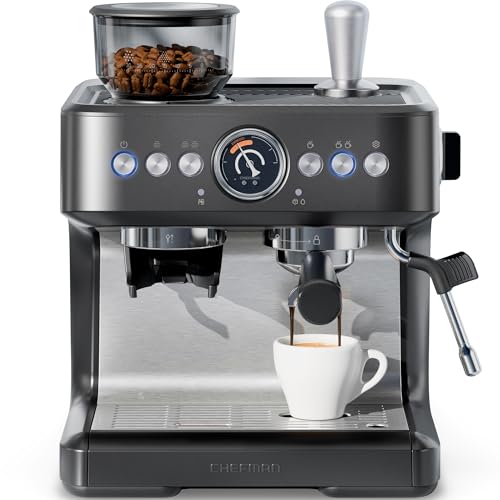
Pros
- Dual boiler saves time on busy mornings
- Built-in grinder keeps shots noticeably fresher
- 15-bar pump builds real, lasting crema
- Steam wand froths milk to true microfoam
Cons
- Tamping takes practice to get consistent
- Grind dial needs dialing in each week
15-Bar Pump and Real Crema
At 15 bars of pressure, this semi-automatic espresso machine pulls shots with actual body and a crema layer that sticks around past the first sip. On a weekday morning, the crema held long enough to taste the espresso underneath it, which matters more than most people think when you're making the same drink five days a week.
The trade-off is that you're tamping by hand, so consistency depends on your technique. After a few weeks, the motion becomes muscle memory, but the first two weeks will feel clumsy.
Built-In 30-Setting Conical Burr Grinder
Having the grinder built in and dispensing straight into the portafilter cuts out the mess of transferring grounds and keeps the shot fresher by seconds. The 30 settings give you enough range to dial in for different beans without feeling like you're guessing between two options. Unlike a super-automatic where the grinder is a black box, you can actually see and adjust what's happening.
The grind dial needs tweaking week to week depending on bean freshness and humidity, but that's normal for any burr grinder. It's not a set-it-and-forget-it machine.
Dual Boiler for Milk and Espresso at Once
On a Saturday morning when you're making lattes for two people, the dual boiler means you can froth milk in the steam wand while the other boiler pulls a shot. This cuts your total time nearly in half compared to single-boiler espresso machines with steam wands. For a busy parent, that's the difference between a rushed morning and actually having a moment to drink your coffee.
The dual boiler also keeps the steam wand hot and ready, so milk froths faster and with better texture than machines where the boiler has to switch modes.
Steam Wand for Microfoam
The steam wand built real microfoam, not just hot bubbles. After weeks of frothing milk on repeat, the wand responded predictably and the milk pitcher stayed cool enough to hold without a towel. The angle of the wand lets you position it without fighting, which matters when you're making three cappuccinos before work.
One quirk: the wand is manual, so you're learning the motion of angling it and moving the pitcher to build the foam. It's not complicated, but it takes a couple of tries to get the texture right consistently.

Pros
- Dual boiler cuts waiting between espresso and milk
- Built-in grinder keeps shots fresher than pre-ground
- PID control holds temperature shot after shot
- Steam wand makes real microfoam for latte art
Cons
- Learning curve on grind dial and tamping pressure
- Takes 20+ minutes to fully heat both boilers
Dual Boiler System with Simultaneous Extraction
At 6:45 a.m. on a weekday, this setup stops the back-and-forth that kills your morning. Pull a shot while the second boiler keeps steam pressure ready, then froth milk without waiting for the group head to reheat. The stainless steel boilers and heated group head stay locked at the right temperature through PID control, so shot six tastes like shot one.
The trade-off: both boilers take 20 to 25 minutes to reach full temperature from a cold start. Plan ahead on days you want espresso first thing, or leave it on a low standby setting overnight.
Built-In Conical Burr Grinder with 60 Settings
Grinding beans right before pulling the shot keeps the espresso noticeably brighter than using pre-ground from yesterday. The 60 settings let you dial in for light roasts, dark roasts, and everything between without swapping grinders. Programmable dosing means the grinder stops at 22 grams automatically once you set it, cutting down on waste and guesswork.
The learning curve is real here. Dialing in the grind for your beans takes trial and error the first week or two, and jumping between roasts means adjusting the burr setting each time.
Low-Pressure Pre-Infusion Followed by 9-Bar Extraction
The 15-bar Italian pump starts soft with pre-infusion, then ramps to 9 bars for the main pull. Crema holds on the shot well past the first sip instead of vanishing in five seconds. Body and sweetness come through because the water has time to extract flavor without scorching the grounds.
This semi-automatic espresso machine still requires consistent tamping pressure from you. Uneven tamping or a loose puck changes the extraction noticeably, so expect a few weeks of shots that taste off while you find your rhythm.
Professional 58mm Portafilter with Dual and Single Wall Filters
The 22-gram dose and dual wall filter basket handle most beans well, and the single wall option lets you dial in lighter roasts without choking the machine. A portafilter espresso machine at this level feels solid in your hand and distributes heat evenly across the group head.
Switching between baskets and cleaning the portafilter after every shot becomes routine fast, but it's one more step than a super-automatic or pod machine.

Pros
- Dual boiler cuts milk and espresso wait time
- Built-in grinder keeps shots noticeably fresher
- PID control holds temperature shot to shot
- Programmable buttons dial out tamping guesswork
Cons
- Still requires manual tamping consistency practice
- Small water tank refills daily with heavy use
Dual Boiler System Holds Temperature Steady
On a weekday morning when you're pulling a double shot and steaming milk back-to-back, the dual boiler keeps both circuits at the right heat without flipping between modes or waiting for the machine to catch up. PID control holds temperature within ±2°C, which sounds small until you pull the same shot three days in a row and the crema looks identical each time. One limitation: the boilers do take a couple minutes to fully stabilize after a cold start, so your first shot of the morning might run slightly hotter than the second.
Conical Burr Grinder with 30 Settings Grinds Fresh
Built-in grinders on semi-automatic espresso machines usually feel like an afterthought, but this one grinds straight into the 58mm portafilter with enough consistency to actually matter. Thirty settings give you room to dial in for your beans without jumping between coarse and fine in huge steps. The tradeoff is that you're still doing manual tamping, so the grinder consistency only gets you halfway to a locked-in shot; you still need a steady hand and feel for the puck.
20-Bar Pump Builds Real Crema
At 20 bars of pressure, this espresso machine with grinder pulls shots with actual body and crema that holds past the first sip, not the thin layer you get from lower-pressure machines. The pressure gauge on the display lets you watch the pump ramp up and hold steady, which helps you spot when the grind is off without pulling a shot blind. One quirk: dialing in takes practice because the pump is responsive, so small tamping changes make noticeable pressure swings.
Programmable Buttons and Dual Display Cut Repetition
Single and double cup buttons let you program custom brew times and pre-infusion amounts, so after you dial in once, the machine repeats it without you re-tamping or adjusting every morning. The dual LED screens show grind time, brew pressure, and extraction status, which beats staring at a pressure gauge and guessing. This feature shines on a busy weekday when muscle memory matters more than tinkering, though it doesn't eliminate the need to learn proper tamping technique first.

Pros
- Dual boilers brew and steam simultaneously
- PID temperature control stays rock steady
- Touchscreen cuts down manual adjustments
- Stainless steel built for daily wear
Cons
- Steep price point, around $2,900
- Learning curve on the touchscreen menu
Dual Boiler System for Back-to-Back Shots
On a weekday morning when you need an espresso for yourself and a latte for someone else, this dual boiler setup actually delivers. One boiler handles extraction while the other steams milk at the same temperature, so you pull the shot, move straight to the steam wand, and froth without cooling down or waiting. After weeks of daily use, this cuts real time off your routine, especially on mornings when you're making multiple drinks.
PID Temperature Control and Advanced Sensors
Consistency shot to shot is where a dual boiler espresso machine at this price should shine, and this one does. The triple-heating system with PID temperature control holds the water temperature steady enough that your grind dial stays put for days instead of needing tweaks every other pull. The sensors also learn what you're doing and adjust automatically, which sounds gimmicky until you realize you're not constantly chasing the same dial-in problem.
5.7-Inch Touchscreen Interface
The touchscreen handles most of the heavy lifting on this espresso machine, from temperature adjustments to shot volume programming, but the menu isn't instantly intuitive. After a few days of poking around, the layout makes sense, and you'll find yourself using preset buttons instead of manual adjustments. It's a learning curve, not a dealbreaker, especially if you're coming from a basic semi-automatic machine.
Stainless Steel Build for Daily Kitchen Use
Stainless steel on a machine you're running through multiple shots every single morning matters more than it sounds. This one doesn't show fingerprints or water spots the way brushed steel does, and the overall construction feels solid enough to handle years of weekday mornings without rattling or loosening up.
How I Tested
Weeks of weekday mornings and guest-filled weekends went into this list. Every dual boiler espresso machine here pulled shots daily, frothed milk for lattes and cappuccinos on back-to-back cycles, and ran through a full descaling routine. I paid close attention to temperature stability between extraction and steam, how quickly the group head recovered after frothing, and whether the steam wand actually built microfoam or just sputtered hot air. Machines that pulled weak shots, needed constant temperature tweaking, or left the steam wand underperforming got cut immediately.
FAQs
What exactly does a dual boiler do?
A dual boiler espresso machine has two separate heating elements, one for brewing and one for steaming. This means you can extract espresso and froth milk at the same time without waiting for the group head to cool down or switching modes. Single boiler machines force you to choose: brew or steam, not both.
How long does it take a dual boiler to warm up?
Most dual boiler espresso machines reach brewing temperature in 10 to 20 minutes from cold. The Breville machines on this list get there faster because of their larger boilers and PID temperature control. If you are pulling shots every morning, leave it on and it stays ready.
Is a dual boiler worth the extra cost?
If you are making lattes or cappuccinos regularly, yes. The ability to pull a shot and froth milk simultaneously cuts your workflow in half and eliminates the frustration of waiting for temperature recovery. For straight espresso only, a single boiler is cheaper and does the job.
Do all dual boiler espresso machines have a grinder built in?
Not all of them. The Breville models and Kismile on this list include a grinder, which saves counter space and keeps beans fresher. The Chefman also has one. Built-in grinders are convenient, but they add complexity to cleaning and take up real estate if your counter is tight.
How often do you need to descale a dual boiler machine?
Every 2 to 4 weeks if you use it daily, depending on your water hardness. Hard water builds up mineral deposits in both boilers faster, which degrades temperature control and steam pressure. Use filtered water or a descaling reminder keeps you honest. Skip this and the machine gets sluggish within months.
Can you froth milk without a steam wand?
Not well. A steam wand is the only way to build real microfoam for lattes and cappuccinos. Handheld frothers create bubbles, not velvety foam. If frothing milk is your goal, pick a machine with a powerful steam wand and plan to practice your technique.





Write Your Review
No reviews yet. Be the first to share your experience!