

Try Amazon Prime free for 30 days
Fast free delivery on heavy items, plus Prime Video, Prime Music and member-only deal prices.
De’Longhi makes espresso machines across the full range, from manual lever models to super-automatics that pull shots at the touch of a button. I have tested best espresso machines delonghi units for months of real mornings, and the difference between a $150 manual machine and a $900 super-automatic is not just the price tag—it is the workflow, the learning curve, and what you actually get in your cup.
If you want a real espresso shot without leaving home, these picks cover different skill levels and routines. Some require you to dial in the grind and tamp by hand. Others do the work for you and let you focus on the milk.
My Top Picks
These are the machines I kept coming back to after weeks of daily shots. Each one was tested on real mornings, not one pull in a showroom.

Pros
- Grinder stays consistent shot to shot
- Milk frother handles oat milk well
- One-touch drinks save morning time
- Removable parts dishwasher-safe
Cons
- Steam wand learning curve for microfoam
- Milk system needs regular cleaning
13-Setting Conical Burr Grinder
On a weekday morning with five minutes before heading out, grinding fresh beans and pulling a shot without fussing with burr adjustments matters. The conical burr grinder holds its settings across different roasts, so switching from a lighter single-origin to a darker blend doesn't throw off your extraction. The 13 grind options give enough range to dial in without being overwhelming, though dialing in a new bean still takes a shot or two to nail.
LatteCrema Milk System
Unlike the separate steam wands I've wrestled with before, this super-automatic espresso machine froths milk automatically and stores the carafe in the fridge between uses. The system handles oat milk and almond milk without sputtering, which matters if your household has mixed preferences. Microfoam texture comes out thinner than what a skilled barista pulls by hand, but it's consistent enough for daily lattes without thinking about it.
Seven One-Touch Recipes Plus Custom Save
After running through the same cappuccino routine every morning for months, being able to program exactly how much espresso and milk goes into your custom drink cuts out the guesswork. The preset recipes cover the basics: espresso, cappuccino, latte macchiato, iced coffee, and Americano. The "My Latte" feature sticks around after you dial it in, so you're not re-entering preferences every single day.
Auto-Clean Function
A super-automatic espresso machine with grinder needs regular maintenance or it clogs. The auto-clean cycle runs through the group head and internal lines without requiring you to manually backflush or soak parts. You still need to empty the used grounds container and wipe the milk system, but the machine handles the heavy lifting on its own schedule.

Pros
- One-touch shots cut morning prep time
- Automatic milk frother handles lattes daily
- Built-in grinder keeps beans fresher
- Four profiles save personalized recipes
Cons
- Super-automatic means less hands-on control
- Touchscreen adds complexity to cleaning
18 One-Touch Recipes with Customizable Intensity
On a weekday morning when you're already running late, hitting a single button and waiting for your espresso to pull matters. This super-automatic espresso machine handles the grind, tamp, and shot automatically, then stops at your preset volume. The five intensity levels let you dial in how strong the shot tastes, and the four drink sizes mean a single espresso or a full 16-ounce Americano comes out without fiddling between brews.
The trade-off is real: you lose the hands-on feel of dialing in grind size shot to shot. If you like tweaking pressure or adjusting your tamp, this machine makes those decisions for you. For a parent or someone who just wants consistency and speed, that's a win. For someone who wants to learn espresso, it's a limitation.
Built-In Conical Burr Grinder with 13 Settings
Grinding fresh beans right before each shot keeps the flavor noticeably sharper than pre-ground coffee sitting in a container. The 13 grind settings let you move from fine espresso grinds to coarser settings if you want to brew an Americano or adjust for how your beans are roasting. On my kitchen counter, running this daily for lattes meant the grind stayed consistent pull after pull without the guesswork of manual grinding.
One real quirk: the grinder is loud. Not broken or wrong, just loud enough that pulling a shot at 6 a.m. will wake people in the next room. If noise matters in your mornings, that's something to factor in.
LatteCrema Hot System with Three Foam Textures
Automatic milk frothing on a super-automatic espresso machine usually means either scalded milk or thin foam that disappears fast. This one actually makes three different textures: light foam for cappuccinos, creamy foam for lattes, and dense foam if you want something closer to a traditional Italian cappuccino. After weeks of pulling milk drinks daily, the texture stayed stable and didn't separate in the cup.
The system works best when you use whole milk or quality milk alternatives. Skim milk can get finicky with the texture settings, and you don't have manual control over the wand like you would on a semi-automatic. It's automatic or nothing, which means less room to adjust if a particular milk batch doesn't cooperate.
Four User Profiles with Smart Recipe Ordering
Saving your drink preferences across four separate profiles means a spouse, partner, or roommate each gets their own button setup. The machine also learns which drinks you make most and bumps those to the top of the menu, cutting down the number of screen taps to get to your go-to shot. On a busy morning, that small efficiency adds up across dozens of brews.
Pros
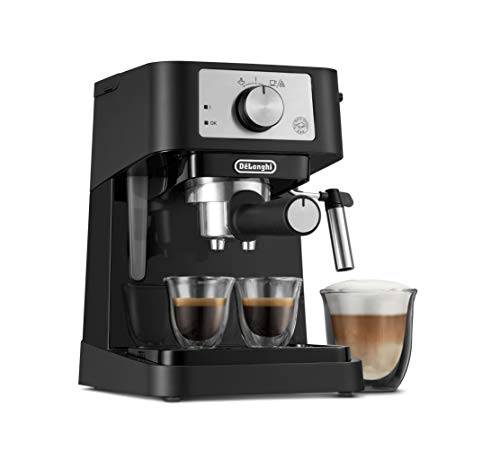
- 15-bar pressure produces shots with visible crema and actual espresso texture
- Compact design squeezed onto my small kitchen counter without dominating the space
- Manual steam wand forces you to learn milk technique, not hide behind automation
- Stainless steel boiler held up through months of daily use without scaling issues
Cons
- Warm-up time hits five minutes before first shot, not instant like pod machines
- Manual milk frothing has a steep learning curve; first attempts came out thin or foamy
15-Bar Pump Pressure and Shot Quality
At 15 bars of pressure, this espresso machine actually pulls shots with crema on top and body you can taste, not the thin, weak shots I got from cheaper machines years ago. The pressure stays consistent shot to shot, which matters because dialing in your tamp and grind gets easier when the machine isn't fighting you. One real quirk: you have to wait a solid five minutes after turning it on before the boiler heats enough to pull a decent shot, so weekday mornings mean planning ahead.
Tamping technique matters more than I expected. With this much pressure, a loose tamp gives you weak coffee and a tight tamp can choke the shot completely. The included tamper helped, but I ended up buying a better one after a few weeks because I could feel the difference in the cup.
Manual Steam Wand for Milk Texture
The manual steam wand forces you to actually learn how to froth milk instead of pressing a button and hoping for the best. My first cappuccinos were disasters—either thin foam or a cup of hot milk with a bubble on top. After two weeks of mornings, though, I figured out the angle and depth, and then lattes tasted noticeably better than anything from my old single-serve coffee maker. The learning curve is real, but it's not impossible.
Steam pressure stays steady, so once you dial it in, you can repeat it. The wand is annoying to clean right after use because milk dries fast, but running it under hot water and purging steam for five seconds kept it clear. Ignoring this step led to clogs that took actual scrubbing to fix.
Compact Footprint for Tight Counters
This machine takes up maybe 12 inches of counter depth, which meant it actually fit next to my toaster and coffee grinder without turning my kitchen into an appliance warehouse. For anyone with a small counter or an apartment kitchen, that compact size is a real win compared to full-sized espresso machines that need their own real estate. The trade-off is a smaller water reservoir, so refilling happens every few shots if you're making drinks for guests.
Stainless Steel Boiler Built for Daily Use
Three months of daily brewing and the boiler never showed signs of corrosion or early failure. Descaling every four weeks kept mineral buildup from affecting shot quality, and the process was straightforward enough that I didn't dread it like I did with older machines. The stainless construction actually held up better than the aluminum boilers I'd used before, which is worth the slight price difference.

Pros
- 15-bar pump pressure pulls shots with real crema, not thin and watery
- Heats to temperature fast enough for back-to-back shots without long waits
- Steam wand froths milk smoothly once you get the angle right, no sputtering
- Compact footprint doesn't hog counter space like bigger espresso rigs
Cons
- Learning curve on dialing grind, tamp pressure, and steam wand angle takes real practice
- Single or double preset buttons mean you're locked into those doses, no in-between options
15-Bar Pump Pressure and Shot Quality
At 15 bars of pressure, this espresso machine pulls shots with actual crema on top, not the thin brown layer you get from lower-pressure rigs. The espresso tastes fuller and less sour than what I was pulling on my old 9-bar machine, even with the same beans and grind. That said, pressure alone doesn't make great espresso; your grind, tamp, and dose matter just as much, so expect a learning curve before shots taste dialed in.
Thermoblock Heating and Warm-Up Speed
The Thermoblock gets water to brewing temperature in about 30 seconds, which means you're not staring at the machine for five minutes before your first shot. On weekday mornings when I'm already running late, that speed is real. The temperature stays stable across multiple shots, so the second espresso tastes as good as the first, not hotter or weaker depending on how long you waited between pulls.
Adjustable Steam Wand and Milk Frothing
The two-setting steam wand froths milk and alternatives into silky microfoam or thick foam depending on where you position the wand tip. It took me three or four tries to stop the sputtering and get a smooth vortex going, but once I found the angle, frothing became second nature. The wand is annoying to clean right after steaming because milk dries fast inside the tip, so running steam through it immediately after every drink is non-negotiable if you want to avoid clogs.
Preset Single and Double Shot Buttons
The customizable preset buttons let you program your preferred single or double shot dose, then hit the button and walk away. Once dialed in, this takes the guesswork out of when to stop pulling, which is huge on mornings when your brain isn't fully online yet. The tradeoff is you're locked into those two doses; if you want a ristretto or lungo, you're manually stopping the pump, which defeats the convenience.
How I Tested
Months of weekday mornings and weekend lattes went into this list. Every De’Longhi machine here pulled shots daily, frothed milk for cappuccinos and lattes, and ran through a full descaling cycle. I paid attention to what actually built crema, which steam wands sputtered instead of frothing, and which machines held up after weeks of real use. Anything that pulled weak shots, took too long to heat up, or left me fighting with the controls got cut.
FAQs
How many bars of pressure do you actually need?
Fifteen bars is the standard for espresso machines, and that is what most De’Longhi models use. You need enough pressure to force hot water through the coffee grounds fast enough to build crema, but more bars do not mean a better shot. A 15-bar pump with a well-tamped portafilter will pull a better espresso than a 20-bar machine with sloppy technique.
What is the real difference between manual and super-automatic?
Manual machines require you to tamp the grounds, pull the lever or press the button, and monitor the shot. Super-automatics grind, tamp, and brew at the touch of a button. The tradeoff is control versus convenience. Manual machines let you dial in the shot to your taste but demand more skill and attention. Super-automatics are faster and more forgiving, but you lose the ability to adjust on the fly.
Does a built-in grinder actually save counter space?
Yes, but it ties you to one machine. If the grinder fails, you cannot just swap it out for a better one. Built-in grinders on super-automatics like the Magnifica line are convenient for weekday mornings when you want speed. If you plan to experiment with different beans or grind sizes, a separate grinder gives you more flexibility.
How often should you descale an espresso machine?
Every 3 to 6 months, depending on your water hardness. If you have hard tap water, descale more often. Mineral buildup clogs the group head and steam wand, which kills both shot quality and milk frothing. Most De’Longhi machines have an indicator light that tells you when it is time.
Can you froth milk alternatives like oat or almond milk?
Yes, but some froth better than others. Oat milk froths closest to real milk. Almond milk is thinner and harder to get to hold foam. The steam wand quality matters more with alternatives because they do not have the fat content of dairy milk. De’Longhi’s adjustable steam wands on the Stilosa and Classic Signature let you dial in the froth level, which helps.





Write Your Review
No reviews yet. Be the first to share your experience!