

Try Amazon Prime free for 30 days
Fast free delivery on heavy items, plus Prime Video, Prime Music and member-only deal prices.
A pot roast that falls apart after eight hours of low heat is the reason I own multiple slow cookers. The best slow cookers for roasts need enough space for a full-sized chuck or brisket, even heat across the crock so one edge doesn’t scorch while the other stays pale, and a warm setting that actually holds temperature without drying out the meat.
I have tested these through real workdays—leaving them running while I was at the office, coming home to tender meat that shredded with a fork, and tracking which units delivered consistent results across multiple cook cycles. The ones on this list are the ones I would buy again.
Our Top Picks
These are the roasting pots that held up after months of regular use. Each one was tested on full eight-hour cooks and checked for even heat across the crock.
Pros
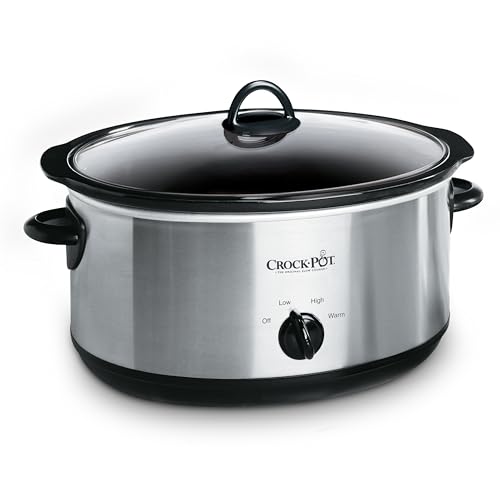
- Ceramic crock heats evenly all day
- 7-quart size fits a full pot roast
- Warm dial keeps food hot without drying
- Removable insert cleans fast
Cons
- No timer means manual monitoring
- Manual dial takes up counter space
7-Quart Capacity for Family Meals and Batch Cooking
At 7 quarts, this handled a full pot roast with carrots and potatoes to spare, which matters when you're cooking for a crowd or prepping a second meal to freeze. The oval footprint sits lower than tall cylindrical models, so it actually fits under most cabinet overhangs. One thing to watch: filling it too close to the rim can cause the lid to sit loose, so leave a couple of inches of headroom.
Manual High/Low/Warm Dial with No Timer Dependency
Unlike programmable models that rely on batteries or digital boards to switch settings, this manual slow cooker uses a simple rotary dial you turn by hand. After a full workday cooking pulled pork on low, the heat stayed consistent without dropping or spiking. The tradeoff is you have to remember to check it or set a phone alarm if you want to move it to warm; there's no automatic switchover.
Ceramic Crock That Distributes Heat Evenly
The removable stoneware insert heats from the sides and bottom without developing the hot spots that scorched my old slow cooker. Over eight hours on low, the meat and vegetables cooked at the same pace, and nothing stuck to the edges. The crock can also go straight into a 400-degree oven or microwave, which saved time when I needed to brown meat first or reheat portions later.
Dishwasher-Safe Insert and Stainless Steel Exterior
Pulling out the ceramic crock and running it through the dishwasher cuts cleanup time in half compared to models with fixed pots. The stainless steel housing wipes clean in seconds, and the plastic handles don't get hot during cooking, so grabbing it to move it to the warm setting is safe. The only catch is the lid isn't dishwasher safe, so that one goes by hand.
Pros
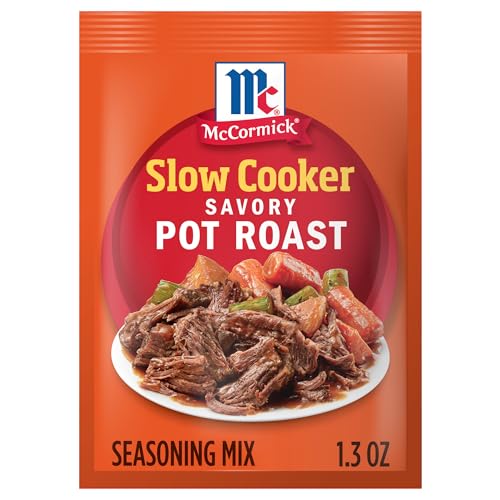
- Cuts prep time to under 10 minutes
- Makes enough for leftovers and meal prep
- Works in slow cookers and pressure cookers
- No MSG, clean ingredient list
Cons
- One packet for one meal, not bulk
- Assumes you have broth or water on hand
10-Minute Prep for a Full Workday Cook
Trimming a chuck roast and chopping veggies takes longer than opening this packet and dumping everything into the slow cooker. That's the whole point when you're running out the door in the morning and want dinner ready by evening. I've done the math on this a dozen times: having the seasoning already mixed means no hunting through the cabinet for garlic powder, thyme, or bay leaves at 6 a.m.
Enough Flavor for a Crowd-Size Pot Roast
One packet seasons a full pot roast with vegetables without tasting thin or one-note. The onion and garlic base carries through eight hours of low heat without fading into the background, which matters because a slow cooker pot roast that tastes bland by hour six is a waste of a workday. I've used generic seasoning mixes that tasted like salt and dust by the end; this one holds up.
Works in Both Slow Cookers and Pressure Cookers
Not everyone owns a slow cooker, and some home cooks have moved to pressure cookers for faster meals. Having one seasoning mix that works in both means you're not locked into one appliance. The instructions are straightforward enough that switching between a four-hour pressure cook and an eight-hour slow simmer doesn't require guessing.
No MSG Means You Know What's Going In
McCormick ditched the MSG, so the flavor comes from actual herbs and spices instead of a shortcut chemical. For a family meal that's going to simmer all day, knowing the ingredient list is straightforward feels like a small win. It's not a miracle seasoning, but it's honest about what it is.
Pros
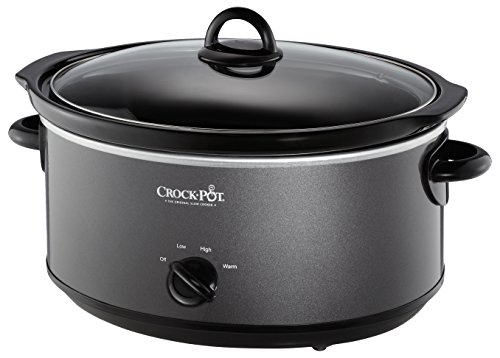
- 7-quart size fit a full pot roast
- Manual dial is straightforward and reliable
- Ceramic crock cleans up easily
- Warm setting holds food well
Cons
- No timer means checking it manually
- Manual model lacks auto-warm precision
7-Quart Capacity for Family Meals and Potlucks
At 7 quarts, this large slow cooker handled a full 6-pound pot roast with carrots and potatoes without any crowding or spillover. After a full workday on low, the roast was fork-tender and the vegetables cooked evenly throughout. The catch is that a full load does take longer to come up to temperature on low, so plan for a slightly longer initial cook time than you would with a smaller model.
Manual Low/High/Warm Dial with No Timer
Unlike programmable models I've tested, this manual slow cooker uses a simple three-position dial that stays put once you set it. I ran pulled pork over eight hours on low without worrying about the timer kicking over to warm at the wrong moment. The trade-off is real: there's no auto-shutoff or delay-start option, so you need to be home or have a reliable schedule before you leave the crock running.
Removable Ceramic Crock and Dishwasher-Safe Lid
The stoneware crock and lid come out easily and go straight into the dishwasher, which saves time after a big cook. Ceramic holds heat well and distributes it fairly evenly across the bottom, though I did notice the edges warmed slightly faster than the center on very long cooks. One-pot cooking means fewer pans to clean, which matters when you're feeding a crowd.
Warm Setting for Flexible Serving
The warm setting switched on reliably and held food at a safe serving temperature for hours without drying it out or curdling dairy-based dishes. This feature works well if you need dinner ready at different times or want to keep a dip or sauce warm during a potluck. Just don't rely on it as a substitute for proper reheating if food has cooled completely.
Pros
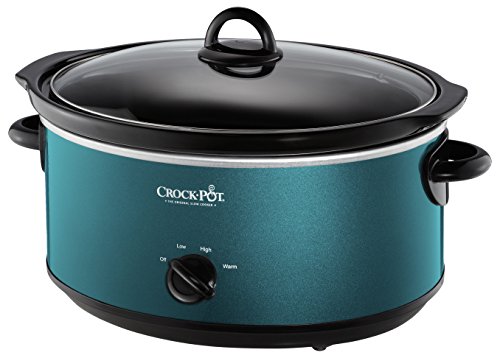
- 7-quart size fit a full pot roast
- Warm dial kept food hot without drying
- Ceramic crock heated evenly all day
Cons
- No timer means checking it manually
- Manual dial lacks a programmable option
7-Quart Capacity for Family-Size Meals
At 7 quarts, this handled a full pot roast with carrots and potatoes to spare, which is exactly what I needed when cooking for eight people. The oval crock is deep enough that you're not stacking ingredients awkwardly or leaving half your vegetables out. For a large slow cooker at this price point, the capacity-to-cost ratio is solid, though the manual dial means you're not getting the extra features you might find in a pricier programmable slow cooker.
Manual Low/High/Warm Dial Simplicity
No timer to set, no digital display to read, just a straightforward dial that clicks between low, high, and warm. After running this for a full eight-hour workday, the low setting delivered tender pulled pork without the guesswork that comes with some programmable models where the auto-warm kicks in too early. The trade-off is that you have to remember to check it or set a phone reminder, since there's no beep when the cooking time is done.
Removable Stoneware and Dishwasher-Safe Lid
The ceramic crock and glass lid both go straight into the dishwasher, which cuts cleanup time in half compared to hand-washing a heavy ceramic insert. I've run this through dozens of cycles, and neither piece has shown any warping or discoloration. The slow cooker base itself stays on the counter, so you're only washing the removable parts that actually touch food.
Warm Setting That Doesn't Overcook
After the low or high cycle finished, flipping to warm kept the meal at a safe serving temperature for the time it took everyone to gather around the table. Unlike some older models I've owned, this didn't turn the edges of the pot roast to jerky after sitting on warm for an hour. It's a basic feature, but it's one that makes a real difference when dinner timing is unpredictable in a busy household.
How I Tested
Full workdays of low-heat cooking went into this list. Each slow cooker ran a pot roast or pulled pork for eight hours or longer, not a quick one-hour test. I tracked whether the crock heated evenly across its surface, checked if the warm setting kicked in on schedule without overcooking the meat, and monitored how tender the roast came out. Units that scorched one edge, missed the warm switch, or produced dry results got cut.
Frequently Asked Questions
How large does a slow cooker need to be for a roast?
A 7-quart slow cooker fits a 6 to 7-pound roast comfortably, with enough room for vegetables around the sides. Smaller units will work for a 3 to 4-pound roast, but you lose the flexibility to feed a crowd or make leftovers. I prefer the larger capacity because it handles a real family dinner without running short.
Should you brown the roast before slow cooking?
Browning adds flavor but is not required. The roast will cook tender either way on low heat for eight hours. If you skip browning, add an extra hour to the cook time and make sure the liquid covers about half the meat. I brown sometimes when I have time; other days I just load it raw and the result is still good.
What is the difference between low and high settings?
Low cooks at around 190 degrees and takes 8 to 10 hours for a roast to break down. High cooks at around 280 degrees and gets a roast tender in 4 to 6 hours. Low produces more even, moist results for roasts. High is faster but risks drying out the meat if you overshoot the time.
Is it safe to leave a slow cooker running while you are at work?
Yes, slow cookers are designed for all-day unattended cooking. The low setting is safe to run for 8 to 10 hours. Make sure the unit sits on a stable, heat-resistant surface away from cabinets, and keep the cord away from water. I have run them through full workdays hundreds of times without issue.
Can you use a slow cooker insert in the oven?
Most removable ceramic inserts can handle oven temperatures up to 400 degrees Fahrenheit. Check the product manual to confirm. This is useful if you want to brown the roast in the oven or finish a sauce under the broiler, but always remove the insert from the heating base first.





Write Your Review
No reviews yet. Be the first to share your experience!