

Try Amazon Prime free for 30 days
Fast free delivery on heavy items, plus Prime Video, Prime Music and member-only deal prices.
Stainless steel pressure cookers cook tough cuts and dried beans faster than any other method, and the ones that actually hold up are worth the counter space. I have run stovetop and electric models through weeks of real cooking—pot roasts, beans straight from the bag, and canning batches—to find which ones deliver consistent results without leaking at the lid or holding onto garlic smell for months.
The best stainless steel pressure cookers here handle high heat evenly, seal reliably, and fit different kitchen setups. Whether you cook on induction, gas, or electric, or you prefer hands-off electric models, this list covers what actually works.
Our Top Picks
These are the pots I keep coming back to. Each one was tested on real meals, not just a single test batch.

Pros
- Comes to pressure in a few minutes
- Stainless steel seals clean, no garlic odor
- Works on any stovetop, including induction
- Spring valve is simpler than weighted gauges
Cons
- 4-quart size is tight for large batches
- Not USDA-rated for pressure canning
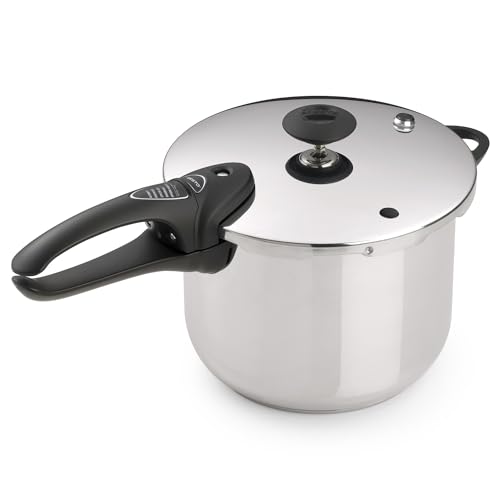
11.6 PSI Spring Valve for Consistent Pressure
At 11.6 PSI, this stovetop pressure cooker builds steam fast enough that a pot of tough chuck roast or dried beans doesn't linger on the stove for hours. The spring valve automatically holds pressure without needing to monitor a dial or fuss with weighted regulators. One quirk: the spring valve is audible when pressure stabilizes, so the first time feels louder than expected, but it settles into a steady hiss after that.
4-Quart Capacity for Weeknight Portions
Four quarts fits a whole chicken, a batch of pulled pork for tacos, or enough chili for dinner and leftovers without crowding the pot. For a family of three to four, this size hits the sweet spot between versatility and counter real estate. If you're cooking for six or canning tomatoes by the case, you'll want to step up to a larger model.
Induction, Gas, Electric, and Ceramic Compatibility
The U-shaped bottom makes contact with any cooktop type, so switching from gas to an induction burner doesn't require a new pressure cooker. That matters if you're testing recipes on different stoves or planning to take it to a vacation rental with unfamiliar cookware. The stainless steel exterior stays cool enough on the sides that handling feels safe, though the bottom gets hot fast.
Multiple Safety Valves and Emergency Release
This design stacks three safety layers: a pressure indicator that rises and falls with internal pressure, an automatic regulator that maintains the set PSI, and an emergency release valve if pressure climbs too high. It's the kind of redundancy that lets you step away from the stove without obsessing over whether the lid will blow. The manual release valve is small and requires a careful hand to avoid steam burns, so keep a kitchen towel nearby.
Pros
- Comes to pressure in a few minutes
- 6-quart size fits whole chicken easily
- Works on gas, electric, and induction
- Sealing ring rinsed clean, no garlic smell
Cons
- Stovetop models need hands-on monitoring
- Not rated for USDA-approved canning
Tri-Clad Base for Even Heat Distribution
The aluminum core sandwiched between stainless steel layers distributes heat across the bottom without the hot spots that plague cheaper stovetop pressure cookers. Dried beans cook evenly, and broth simmers without scorching on one side. After a few seasons of regular use, the base still sits flat on the burner and hasn't warped.
6-Quart Capacity for Real Family Meals
A 2-pound chuck roast with potatoes and carrots fits comfortably without packing too tight, which matters because crowding slows pressure buildup and uneven cooking. I've fit a whole chicken with broth and aromatics, plus a full batch of dried beans straight from the bag with no soaking. For a family of four or batch cooking, this size hits the sweet spot between capacity and stovetop real estate.
Automatic Pressure Regulation Without Fussing
Unlike older weighted-gauge pressure cookers that rattle and hiss constantly, this one maintains steady pressure automatically. The dial tells you when you're at pressure, and the pot handles the rest. You still need to watch it and time your cook, but you're not babysitting the stove every five minutes like you would with a weighted-gauge model.
Works Across All Cooktop Types
Gas, electric coil, smooth-top, and induction compatibility means this pot moves with you if you ever upgrade your kitchen. The stainless steel body and flat tri-clad base perform consistently whether you're cooking on a rental apartment's electric range or your own gas cooktop at home.
Pros
- Audible click confirms seal every time
- 6.3-quart size fits whole chicken easily
- Works on induction stoves too
- Stainless steel holds up to regular use
Cons
- No natural release valve, quick release only
- Stovetop model requires active monitoring
5-Point Locking System for Confident Sealing
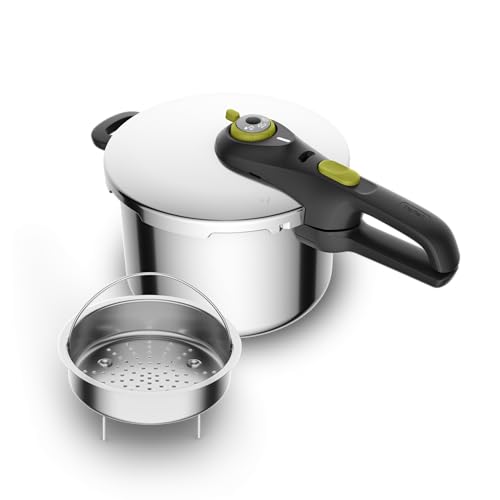
That audible click when you twist the lid closed is not just noise; it tells you the seal is actually set. After years of running stovetop pressure cookers, I know the difference between a lid that feels locked and one that actually is. The rotating mechanism on this T-Fal clicks distinctly at each stage, so you never second-guess whether it's ready to pressurize.
6.3-Quart Capacity Cuts Batch Cooking in Half
A whole chicken, a pound and a half of dried beans, or enough tough chuck roast for a family dinner all fit without cramming. For weeknight cooking, this size means I am not splitting recipes or running the pot twice. The trade-off is that it takes up real counter and cabinet space; this is not a compact pressure cooker for a small kitchen.
Two Presets for Vegetables and Meat
The vegetable program keeps broccoli and carrots from turning to mush while the meat program runs hot enough to break down collagen in tougher cuts. Rather than guessing at pressure levels or time, the presets handle the thinking. The catch is that you are locked into these two settings; if you want to pressure-cook something in between, you are adjusting on the fly.
Induction Compatible Across All Cooktops
The flat stainless steel base works on gas, electric, and induction burners without adapters or workarounds. For anyone switching stove types or renting a place with an unfamiliar cooktop, this removes one headache. Cleanup is straightforward too since the body goes straight into the dishwasher after each use.

Pros
- Lid locks securely, no rattling during cook
- Comes to pressure in a few minutes
- 6.3-quart size fits a whole chicken easily
- Adjustable valve beats chasing lost weights
Cons
- No natural release option, only quick release
- Sealing ring can hold garlic smell for days
One-Hand Lid with Adjustable Pressure Valve
Opening and closing this lid with one hand beats fumbling with a traditional locking mechanism, especially when you're holding a pot holder in the other hand. The adjustable valve means no hunting through drawers for a weighted regulator you misplaced last month. That said, the quick-release valve is the only option here, so if you need a slow natural release for certain cuts or a canning batch, you're doing it the hard way by letting pressure drop on its own.
6.3-Quart Capacity for Family-Sized Meals
A whole chicken with vegetables fits comfortably, and dried beans straight from the bag fill the pot without crowding. For a family of four eating through the week, this size means fewer batches and more actual cooking time instead of standing around waiting for the next round. The trade-off is that it takes up real counter and cabinet space, so if your kitchen is small, measure before ordering.
Stainless Steel Build for Long-Term Use
After years of running pressure cookers through regular weeknight dinners, the ones that hold up are built from solid stainless steel, not thin aluminum. This one feels substantial when you're locking the lid down, and the five-point safety system means you're not white-knuckling it during cooking. It works on induction stovetops too, which matters if you've upgraded or are planning to.
Sealing Ring and Cleanup Reality
The pot and components are dishwasher-safe, which cuts cleanup time after a long cooking session. The sealing ring, though, hangs onto garlic and curry smells longer than I'd like, even after a hot wash. If you cook aromatic foods regularly, budget extra time rinsing that ring separately or keep a dedicated stovetop pressure cooker sealing ring just for savory dishes.
Pros
- 6-quart size fits a whole chicken easily
- Sauté browns meat before pressure cooking
- Sealing ring rinsed clean after garlic
- Comes to pressure in a few minutes
- Dishwasher-safe pot and lid
Cons
- Not USDA-rated for home canning
- Quick release can be loud
6-Quart Capacity for Real Family Meals
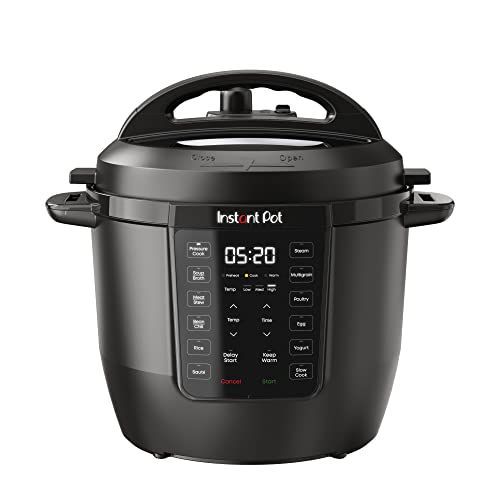
A 6-quart electric pressure cooker means you can fit a whole chicken, a 3-pound chuck roast, or enough dried beans for two weeks of lunches without splitting the batch. I've run this alongside my old 4-quart model, and the extra 2 quarts makes the difference between one dinner and meal prep that actually covers the week. The trade-off is counter space, so this works best if your kitchen has room to leave it out.
Sauté Function Replaces the Extra Pan
Browning a tough cut of meat before pressure cooking usually means dirtying a skillet, then transferring everything to the pot. The dedicated sauté function on this multi-cooker lets you brown directly in the inner pot, then lock the lid and go. The stainless steel pot with tri-ply bottom holds heat evenly enough that meat browns without sticking, though you'll still need to work in batches for a full roast.
13 Presets Cover Most Weeknight Proteins
The preset buttons handle chicken, beef, beans, rice, and a few others without guessing cook times. After running through dried beans, frozen chicken breasts, and a few pots of soup, the presets got the texture right most of the time, though I still check tougher cuts halfway through. The yogurt function actually works if you're into making your own, but it's not something I use every week.
Quick Cleanup with Dishwasher-Safe Parts
The inner pot and lid go straight into the dishwasher, which saves time on busy nights. The sealing ring rinses clean without holding onto garlic or curry smell the way some older models do, so you're not running it through the wash cycle twice. One note: the base unit doesn't go in the dishwasher, so you'll wipe that down by hand.

Pros
- Large 8-quart size fits whole chickens
- Sauté function browns meat before pressure
- Quiet steam release won't startle you
- Two extra sealing rings included
Cons
- Not USDA-approved for pressure canning
- Sealing ring holds garlic smell for days
8-Quart Capacity for Larger Families and Batch Cooking
This size actually fits what I need to cook on a weeknight. A whole chicken, a big batch of dried beans, or enough chili to freeze half fits without crowding. The 8-quart pressure cooker capacity means I'm not running two pots for a family dinner or splitting a canning batch into two rounds.
One quirk: with this much space, you need to respect the minimum liquid rule. Fill it too thin and the pressure sensor won't engage properly.
Sauté Function Built In for One-Pot Browning
Browning a chuck roast or chicken thighs before pressure cooking used to mean dirtying a skillet first. The multi-cooker sauté function does that work right in the pot, and the tri-ply bottom keeps the pot from sliding around while you're working the meat. I got real crust development without the extra cleanup.
The catch is that sautéing in an electric pressure cooker heats slower than cast iron or a heavy skillet, so plan an extra minute or two if you're browning in batches.
WhisperQuiet Steam Release for a Peaceful Kitchen
Most pressure cookers hiss loud enough to make you jump the first few times. This one uses WhisperQuiet technology to keep that noise down, which matters when you're cooking after kids go to bed or early before anyone's awake. The one-touch button is placed where your hand naturally reaches, and steam releases smoothly without that violent burst.
It still makes noise, just not the alarming kind that sounds like something's about to blow.
Two Extra Sealing Rings and Steam Rack for Flexibility
Having a spare sealing ring means you can keep one soaking while you use the other, which is crucial if you're cooking curry one night and plain rice the next. The included steam rack with handles works for steaming vegetables or stacking smaller pots inside for batch cooking. This electric pressure cooker comes ready to work without hunting for accessories.
Fair warning: even with a spare ring, the silicone holds onto strong smells like garlic or fish sauce stubbornly. Baking soda soak helps, but plan on it.

Pros
- 8-quart size fits a whole chicken easily
- Stainless steel pot rinses clean, no odor
- Sauté function browns meat before pressure cooking
- Dishwasher-safe inner pot saves hand washing
Cons
- No weighted or dial gauge for canning
- Electric-only, no stovetop backup option
8-Quart Capacity for Family Meals and Batch Cooking
Fitting a whole chicken with vegetables or a full pound of dried beans straight from the bag without soaking is where this size shows its worth. The 8-quart electric pressure cooker gives you enough room to cook once and eat twice, which matters on nights when the schedule is packed. One limitation: filling it too close to the rim can slow pressure buildup slightly, so leaving about an inch of headspace keeps things moving.
12 Preset Programs with Sauté Function
Browning a chuck roast or softening onions before the pressure builds means deeper flavor in the final dish, and doing it in the same pot cuts cleanup in half. The multi-cooker presets handle pressure cooking, slow cooking, steaming, and rice without switching equipment, though the pressure function itself is the real workhorse here. The sauté mode heats quickly and browns evenly, though it doesn't match the precision of a dedicated stovetop sauté pan if you're building a complex sauce.
Stainless Steel Inner Pot That Actually Stays Clean
After a batch of garlic-heavy curry or tomato canning, the stainless steel pot rinsed completely clean without holding onto lingering smells the way nonstick coatings do. The non-reactive surface means acidic foods like tomatoes or vinegar-based broths won't react with the pot, keeping flavors true. This matters most if you're canning or cooking multiple batches back-to-back, since a sealing ring that doesn't absorb odor stays fresher longer.
Dishwasher-Safe Components for Busy Weeknights
Tossing the inner pot and lid into the dishwasher instead of hand washing saves real time on nights when the kitchen is already chaos. The pressure cooker lid seals tightly, but the removable parts come apart easily for thorough cleaning, which matters if you're cooking beans or broth regularly and want to avoid buildup in crevices.
How I Tested
Weeks of tough cuts and dried beans went into this list. Each unit cooked a pot roast down to fork-tender, handled dried beans straight from the bag with no soaking, and held pressure without leaking at the lid. I paid attention to how fast pressure built, whether sealing rings held onto garlic smell after heavy use, and how easy the lid was to open and close. Anything that felt unsafe or failed to seal cleanly got cut.
FAQs
How fast does a stainless steel pressure cooker actually cook?
Most stainless steel pressure cookers cut cooking time by 50 to 70 percent compared to traditional methods. A tough pot roast that takes three hours in the oven comes out fork-tender in under an hour. Dried beans cook in 20 to 30 minutes without soaking overnight first.
Do I need a stainless steel model, or will aluminum work?
Stainless steel lasts longer and resists rust and dents better, especially if you cook acidic foods like tomatoes regularly. Aluminum heats faster but can react with acidic ingredients and dent more easily. For a pot you plan to keep for years, stainless steel is worth the difference.
Can you can food in a stainless steel pressure cooker?
Stovetop models with a dial or weighted gauge can handle canning safely if they are USDA-approved. Electric pressure cookers are rarely certified for canning low-acid foods like vegetables and meat. If canning is your main goal, stick with a stovetop model rated for it.
Why does my sealing ring smell like garlic weeks later?
Silicone rings absorb strong smells permanently. Soak the ring separately in baking soda and water after cooking with garlic or onions, then air-dry it away from the lid. Some rings hold odor worse than others—the ones that clean easily are worth noting for your next purchase.
What size stainless steel pressure cooker do I need?
A 6-quart model works for most families and handles both weeknight dinners and batch cooking. A 4-quart fits a kitchen for one or two people without wasting counter space. If you cook for more than six regularly or can in large batches, an 8-quart gives you room without overcrowding.
Should I choose quick release or natural release?
Quick release drops the pressure fast and works for vegetables and pasta where you want to stop the cooking immediately. Natural release lets pressure drop slowly on its own and works better for tough meat and dried beans—it keeps them tender instead of tough. Most recipes tell you which to use, but read the manual for your model first.





Write Your Review
No reviews yet. Be the first to share your experience!