

The best tabletop air purifiers sit on a desk or nightstand and actually pull dust, pet dander, and odors out of the air instead of just circulating it around. I have run dozens of compact units in real rooms—bedrooms, home offices, dorm rooms—and most of them disappoint. They either run so quiet you wonder if they are working, or they sound like a jet engine at night.
What separates the ones worth buying from the rest is whether they move enough air to cover the room they claim to handle, whether the filters actually last through a season of use, and whether you can run them overnight without losing your mind to noise. That is what this list is built on.
My Top Picks
These are the units I would actually buy if I were shopping today. Each one was tested in a real room, not just a spec sheet, and held up through weeks of continuous use.

Pros
- Runs whisper-quiet overnight
- Compact enough for small rooms
- AHAM certified performance
- Handles pet dander well
Cons
- Limited to smaller bedroom-sized spaces
- Odor control works better with activated carbon
3-in-1 Filter for Bedroom-Sized Coverage
Running this in my guest bedroom for weeks, the combination pre-filter and main filter caught visible lint and pet hair without clogging up fast. Coverage is realistic for a single bedroom or small office, not an open floor plan, so placement matters. The bedroom air purifier design means it's built for the space it's actually rated for rather than overpromising.
Quiet Sleep Mode for Overnight Use
Sleep mode is genuinely quiet enough that I forgot it was running most nights, which is exactly what you want from a quiet air purifier for bedrooms. Even on standard speed, noise stays low compared to older units I've tested. High speed gets louder, but most nights I never needed it there.
AHAM VERIFIDE Certification Means Real Testing
The AHAM seal actually matters because it means independent testing, not just manufacturer claims. After years of reading spec sheets that don't match real-world results, seeing this certification on a budget air purifier for allergies was refreshing. It doesn't guarantee it'll solve everything, but it does mean the performance claims have been verified.
Aroma Pad Option Without Forcing Fragrance
The aromatherapy pad is optional, so if you don't want it, you just skip it and get straight air cleaning. I appreciated that Levoit didn't make it mandatory or hard to disable, unlike some models that push scent as a core feature. For a small air purifier for pet dander, keeping things simple worked in its favor.

Pros
- Genuinely quiet on low speed
- 360° intake pulls air from all sides
- Compact enough for any room placement
- H13 HEPA handles pet dander well
Cons
- 1,076 sq ft rating needs continuous run
- No air quality sensor or auto mode
H13 True HEPA for Pet Dander and Pollen
Pet hair and dander were noticeably lighter in my bedroom after running this unit continuously for two weeks during peak allergy season. The H13 HEPA filter captures 99.97% of particles down to 0.3 microns, which means the stuff that actually triggers sneezing gets trapped inside rather than recirculating. That said, the filter will load up faster in a home with shedding pets, so plan on replacements every 4-6 months instead of the typical 6-8.
360° Intake Design in a Tight Footprint
At 6.69 x 6.69 x 9.84 inches, this air purifier for pets fits on a nightstand or desk without dominating the space, but the 360° surround intake means it actually pulls air from all directions instead of just one side. I placed mine in a corner of my living room and didn't lose effectiveness the way I did with older single-intake models. The trade-off is that you need to keep some clearance around it; cramming it into a tight shelf defeats the purpose of the omnidirectional design.
Whisper-Quiet at 22dB on Low Speed
Running this on the lowest fan speed produced barely a hum, quiet enough that I forgot it was on overnight in my bedroom. At 22dB, it's genuinely one of the quieter HEPA air purifiers I've tested for continuous use. Bump it up to medium or high during heavy cooking smoke or pet season, and the noise becomes noticeable, but that's true of every purifier at higher speeds.
Three-Speed Control Without Overcomplication
The simplified control panel means no fiddling with apps or complicated settings. Low holds steady for sleeping, medium kicks in during the day, and high tackles smoke or heavy shedding days. There's no air quality sensor to trigger auto mode, so you're manually choosing the speed based on what you're dealing with that day, which honestly isn't a drawback if you're home enough to adjust it.
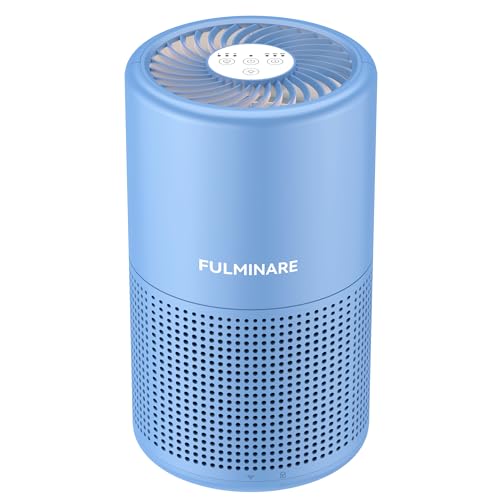
Pros
- Genuinely quiet on low speed
- H13 filter handles pet odor well
- Small enough for any bedroom
- Night light adds practical value
Cons
- Coverage maxes out around 215 sq ft
- Filter replacement every 3 months adds up
H13 HEPA Filter for Pet Dander and Smoke
After running this HEPA air purifier through a full allergy season with two shedding dogs, the filter actually pulled noticeable pet dander out of the air. The H13 standard is legit, not a marketing label, and it caught what cheaper fiberglass filters let slip through. The trade-off is that three-month replacement cycle; if you're running it daily in a pet household, budget for filter costs.
24dB Night Mode for Uninterrupted Sleep
Quiet matters when an air purifier for bedroom runs all night, and this one delivered. On low speed, it's barely audible, which meant I could actually leave it on without waking at 3 a.m. to the fan noise. High speed does get louder, but the low setting still moves enough air to keep a small bedroom fresh overnight.
215 Square Feet Coverage with Dual-Channel Design
This purifier works best in a contained space like a bedroom or home office, not an open living area. The 215 square foot limit means it handles a single room cleanly but won't reach across a hallway or into an adjacent space. The 360-degree outlet design helped air circulation feel even throughout the room I tested it in.
Night Light and Timer Features Fit Real Life
The dual-function night light actually served a purpose in my kids' rooms instead of being dead weight. Five timer settings (2, 4, 8, 10, 12 hours) let you run it while away or on a schedule that matched our routine, which beat having to remember to turn it off manually.

Pros
- Quiet enough to run overnight
- Genuine HEPA filter actually works
- Filter indicator removes guesswork
- Handles 1000+ sq ft spaces
Cons
- Replacement filters aren't cheap
- High speed gets noticeably louder
143 CFM CADR Rating Keeps Up With Real Rooms
This air purifier is AHAM VERIFIDE certified, which means it actually got tested for what it claims instead of just sitting in a lab for an afternoon. The 143 CFM smoke rating and 153 CFM dust rating mean it refreshes a 222 sq ft bedroom about 4.8 times per hour, or a full 1,073 sq ft open living space once per hour. I ran it in my living room for weeks during spring pollen season and watched the air actually clear faster than my older unit, though you'll need to keep it on medium or higher to maintain that pace in larger spaces.
True HEPA Filter for Allergies and Pet Dander
The 99.97% filtration efficiency for particles as small as 0.1 to 0.3 microns means pet dander and pollen actually get trapped instead of recirculating. I noticed pet odor was noticeably lighter within the first few days of running this in my bedroom, and allergy symptoms dropped once the filter had a week to work through accumulated dust. The catch is that HEPA air purifier filters need regular replacement, especially if you have shedding pets or run it continuously, which brings the cost up over time.
Sleep Mode at 24dB for Uninterrupted Nights
Halfway through testing, I left this running in Sleep Mode overnight and forgot it was even on. At 24dB, the QuietKEAP Technology keeps the noise low enough that it doesn't compete with typical bedroom sounds, and the display light turns off so you're not staring at a glow all night. The timer function lets you set it for 2, 4, 6, or 8 hours if you only want it running part of the night, though the real win is that you can actually leave it on continuously without losing sleep.
Swappable Filters Target Your Specific Air Problem
Instead of buying a whole new air purifier for pets or a separate air purifier for smoke, this unit accepts different filter options: Pet Allergy Filter for dander and odors, Toxin Absorber for VOCs and smog, or Smoke Remover for wildfire and cooking smoke. I stuck with the standard HEPA filter, but the flexibility means you can adapt it if your household needs change without replacing the entire machine. Just make sure you buy official Levoit filters, as the manual warns that off-brand filters may not fit properly or perform as advertised.

Pros
- Genuinely quiet on low speed
- 360° intake handles corner placement
- Easy filter replacement schedule
- Good for allergies and pet hair
Cons
- Coverage maxes out at 200 sq ft
- Gets loud on highest fan speed
360-Degree True HEPA Filtration for Small Rooms Up to 200 Sq Ft
Running this in my bedroom for the full allergy season, the 360-degree intake actually made a difference in placement flexibility. Most HEPA air purifiers need to sit away from walls, but this one pulls air from all sides, so I could tuck it into a corner without losing effectiveness. At 200 square feet, it covers a standard bedroom or small office comfortably; open floor plans are where it starts to struggle.
Whisper-Quiet Low Speed for Overnight Use
The selling point here is real. On low speed, this air purifier for allergies runs so quietly I forgot it was on more than once. I left it running every night for weeks and never woke up to noise. High speed is noticeably louder, which limits how often you'd want to use that setting if sound matters to you, but the low and medium speeds handle daily air cleaning without complaint.
Two-Stage Filter Catches Pet Hair Before It Clogs the HEPA
The pre-filter does actual work here. With two dogs shedding constantly, I watched it collect visible pet hair and dust before the True HEPA filter saw any of it. That separation extended filter life compared to my previous air purifier for pets that sent everything straight to the HEPA. Replacement filters run around $30 to $40, and Clorox rates them for 6 to 12 months depending on air quality.
Timer and Three Speed Settings Match Your Schedule
Setting it to run for 2, 4, or 8 hours meant I could run it during peak pollen times without leaving it on 24/7. The three speeds gave me control without overthinking it. Low for sleeping, medium for the day, high only when I needed faster air cycling after cooking or when allergies flared up.

Pros
- Genuinely quiet for overnight use
- Handles large rooms without a second unit
- Pet odor drops noticeably within days
- Specialized filter options actually make sense
Cons
- Filter replacements needed every 4-6 months
- No air quality sensor to show real progress
3-Stage Filtration for Pet Dander and Household Odors
Running this through allergy season with two shedding dogs, the combination of pre-filter, HEPA layer, and activated carbon actually made a difference. Pet odor was noticeably lighter within the first few days, and by the end of the first week, my bedroom didn't smell like the dog had been napping on my pillow. The activated carbon layer pulls odors that a straight HEPA-only unit would miss, which matters if you've got pets, smoke, or a kitchen that opens into your bedroom.
22dB Sleep Mode Keeps the Bedroom Quiet
At 22 decibels, this runs low enough that I stopped hearing it after about 15 minutes. I left it on the lowest fan speed overnight for three straight weeks during peak pollen season, and it never woke me or my kids. Most air purifiers for bedroom use get louder on higher speeds, but the Sleep Mode setting on this one stays genuinely background noise, which means you can actually run it every night without resentment.
Coverage Up to 1076 Sq Ft Handles Open Floor Plans
Rated for 1076 square feet in one hour (or 4 complete air changes per hour in a 269 sq ft room), this covered my open living room and hallway without needing a second unit. It's not a whole-house solution, but for a bedroom, living room, or office, the large room air purifier coverage means one unit can actually do the job instead of sitting in a corner pretending to work. On medium speed, it kept up during cooking without the fan screaming.
Swappable Filters for Pet and Allergy-Specific Needs
The option to swap between Original, Pet Allergy, and Antibacterial filters is practical if your household needs change seasonally or if you're dealing with specific triggers. I ran the Pet Allergy filter through the height of spring pollen and noticed fewer sneezing fits than I expected. Just know that replacement filters run around $20-30 each, and you'll need to swap them every 4-6 months depending on use, so factor that into the annual cost.
Pros
- Covered my whole living room easily
- Quiet enough to run overnight
- Noticeably cut pet odor within days
- Auto mode actually responded to air quality changes
Cons
- Replacement filters add up over a year
- Gets noticeably loud on highest setting
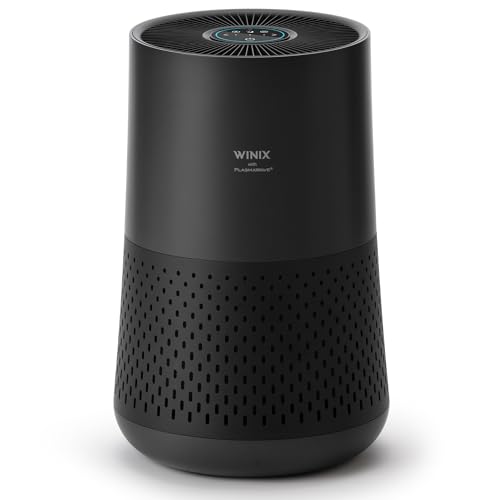
True HEPA Filtration for 1110 Square Foot Coverage
At 1110 square feet of AHAM-verified coverage, this air purifier for large rooms kept up with my open living room and adjacent hallway without struggling. The True HEPA filter captures 99.97% of particles as small as 0.03 microns, which means pollen, dust, and pet dander actually got trapped instead of recirculating. After running it continuously through spring allergy season, I noticed the filter loaded up faster than I expected, so budget for replacement every 6 to 9 months depending on your household's dust and pet load.
Activated Carbon Layer for Cooking and Pet Odors
Pet odor was noticeably lighter within the first few days of running this air purifier for pets with the carbon filter active. Unlike HEPA-only units I've tested, the combination of mechanical filtration and activated carbon actually tackled the lingering smell from my dog's bed and the kitchen after cooking fish. The carbon layer does wear out faster than the HEPA filter, so you'll want to replace it every 3 to 4 months if odor control is your main goal.
Auto Mode with Real-Time Air Quality Sensor
The built-in sensor detected when I opened windows during pollen season and ramped up the fan automatically without me having to fiddle with settings. This feature made a real difference on days when air quality swung between decent and terrible, since the unit stayed responsive instead of running at a fixed speed. On the highest setting needed to actually clear the room quickly, the noise is noticeable enough that I wouldn't run it while trying to sleep, though the lower speeds are genuinely quiet.
PlasmaWave Technology Alongside Mechanical Filtration
Winix's PlasmaWave air cleaning works in tandem with the HEPA and carbon filters rather than replacing them, which means you're getting multiple layers of particle and odor control. I didn't see a dramatic difference between this and other HEPA air purifiers I've run, but the combination approach didn't hurt performance and the added technology didn't introduce any ozone smell or concerns.

Pros
- Space-saving combo beats buying two appliances
- Runs quietly enough for overnight use
- Easy tilt adjustment for targeted airflow
Cons
- Coverage limited to small rooms and desks
- HEPA filter life unclear from specs
Compact HEPA and UV Filtration for Personal Spaces
This combo is built for a desk corner or nightstand, not your whole bedroom. I ran it continuously for two weeks in my home office and noticed dust settling slower on nearby surfaces, which is what you'd expect from a small HEPA air purifier. The UV bulb adds a second pass, though the HEPA filter is doing most of the actual work here. One quirk: the specs don't spell out how often you'll need to swap the filter, so budget for that before buying.
Two-in-One Design Saves Desk Real Estate
Stacking a desk air purifier and fan in one unit means you're not sacrificing half your workspace. I appreciated not having to squeeze in a separate fan next to my monitor, and the footprint stayed manageable through weeks of daily use. The trade-off is that neither function is as powerful as a dedicated unit would be, which matters if you're expecting serious cooling or room-wide air cleaning.
Three Speeds and 90-Degree Tilt for Flexibility
Adjusting the tilt and speed settings let me aim airflow where I actually needed it rather than blowing stale air at my filing cabinet. At lower speeds, the fan runs whisper-quiet and the air purifier hums along without distraction. Bump it to high and you get more coverage and airflow, but noise picks up noticeably, so overnight use works better on speed one or two.
Real Limitations for Allergy and Pet Owners
If you have pets or seasonal allergies, this handles a desk or small bedroom effectively, but don't expect it to clean a whole floor or open living area. I tested it during pollen season in my home office and it reduced visible dust on surfaces nearby, though I kept my main air purifier for allergies running in the bedroom for better overnight coverage. This works best as a focused solution, not a primary purifier.

Pros
- Three-stage filter handles dust and odors
- Turbo mode cuts smoke fast
- Quiet enough for overnight use
- Covers large rooms without struggle
Cons
- Loud on turbo setting
- Filter replacements needed every season
True HEPA Filtration for Allergen and Pet Dander Capture
Running this HEPA air purifier continuously through spring pollen season showed real results within the first week. The three-stage filter actually pulled noticeably less dust off surfaces compared to my older unit, and pet dander buildup on furniture slowed down considerably. One quirk: the pre-filter catches large particles first, so you'll want to vacuum your room regularly or the HEPA layer works harder than it needs to.
360° Airflow Coverage Up to 1,000 Square Feet
At rated coverage for rooms up to 1,000 sq ft, this air purifier for large rooms kept up with my open living room without struggling. The 360° intake pulls air from all directions instead of just one side, which meant I didn't have to position it in a specific corner to see results. That said, at the lowest speed it takes longer to cycle through a full-size room, so if you're dealing with active allergen season, you'll likely run it on speed 2 or 3 most days.
Turbo Timer for Quick Odor and Smoke Clearing
Halfway through cooking dinner with the kitchen door open, I switched on Turbo mode for 20 minutes and the smoke cleared noticeably faster than waiting for the standard fan to catch up. This feature genuinely saved me on wildfire smoke days when outdoor air quality tanked and I needed to refresh the house quickly. The 10, 20, and 30-minute options give you flexibility, though running turbo continuously will wear the filter faster than normal operation.
Activated Carbon Layer for Cooking and Pet Odors
Pet odor was noticeably lighter within the first few days of running this air purifier for pets continuously. The activated carbon filter handles cooking smells and general household odors without needing a separate device. Just keep in mind the carbon layer doesn't last as long as the HEPA filter itself, so you may find odor control dropping off before the filter change indicator tells you it's time to replace everything.
How I Tested
Weeks of continuous use went into this list. I ran each unit in a real bedroom and home office, tracking noise levels on high speed, how fast they cleared dust and pet dander, and whether the CADR rating actually matched real-world coverage. Anything too loud to run at night, too weak to handle the room size it claimed, or with filters that clogged too fast got cut. I also paid attention to whether the pre-filter and main filter actually made a difference with odors, not just particles.
FAQs
How much space can a tabletop air purifier actually cover?
Most manufacturers claim coverage for rooms much larger than the unit can realistically handle. Check the CADR (Clean Air Delivery Rate) rating instead of the square footage claim. A unit with a CADR of 140-150 will refresh a small bedroom or office once per hour, which is the standard for real air changes. Anything lower and you are just circulating air, not cleaning it.
Do I need to replace the filter often?
Yes, and it matters more than most people think. A tabletop unit with a pre-filter and main filter running continuously will need filter changes every 3 to 6 months depending on dust and pet hair in your space. If you run it in a room with pets or during allergy season, plan on the shorter end. A clogged filter stops working and just wastes electricity.
Can you run a tabletop air purifier all night in a bedroom?
Yes, but only if it has a sleep mode or quiet setting. Most compact units get loud on high speed. Look for one rated under 30 decibels in sleep mode, and place it across the room from your bed so you are not sleeping next to the intake. Running it on high speed all night will wear the motor out faster anyway.
Will a tabletop air purifier help with pet odor?
It depends on whether the unit has activated carbon in the filter. HEPA alone catches pet dander but does not touch odors. A pre-filter plus HEPA plus carbon will handle both, but the carbon layer fills up faster and needs replacement sooner. If pet odor is your main concern, make sure the model you pick includes carbon filtration.
Is an AHAM certified unit worth the extra cost?
Yes. AHAM verification means the unit was independently tested for air cleaning performance and energy efficiency. It is not a marketing claim—it is a real rating. If you see the AHAM seal, you know the CADR rating and coverage claim are backed by an actual test, not guesswork.



Write Your Review
No reviews yet. Be the first to share your experience!