

No-plastic rice cookers sound like a luxury until you realize how many coatings flake into your food or scratch off after a month of real kitchen use. I have ditched more nonstick pots than I care to admit, which is why I started hunting for rice cookers with stainless steel inner pots that actually hold up. These are the units that proved themselves over weeks of white rice, brown rice, and the kind of daily scrubbing a family kitchen demands.
The difference between a coated pot and a bare steel one shows up fast. Steel pots survive the dishwasher, handle a metal spoon without flinching, and do not shed particles into your rice. Below are the best no plastic rice cookers that earned their place through real cooking, not marketing promises.
My Top Picks
These are the ones that held up after months of daily rice. Each unit features a food-grade stainless steel inner pot that does not need replacing after a season of use.

Pros
- Brown rice setting genuinely extends cook time instead of just relabeling the same cycle
- 4-cup capacity handles a family batch without needing two runs on busy weeknights
- Steam tray actually works for quick vegetables while rice finishes, saves counter space and dishes
- Delay timer reaches 15 hours, real flexibility for morning prep and evening meals
Cons
- Keep-warm function past six hours starts forming a crust on the bottom layer of rice
- Sensor Logic works best with standard white and brown rice; grains can be hit-or-miss
4-Cup Capacity for Real Family Dinners
At 4 cups uncooked (8 cups cooked), this rice cooker handles what my family actually eats on a weeknight without forcing me to run two batches. I've loaded it for four people with leftovers for lunch the next day, and it fills without overflowing. The trade-off is counter space; it's not tiny, so if you're working with limited room, measure your spot first.
Sensor Logic and Brown Rice That Actually Cooks Right
The brown rice setting doesn't just slap a label on the same cycle like cheaper models do. Fuzzy logic sensor technology actually extends the cooking time and adjusts heat, so brown rice comes out fully tender without the chewy center I used to get. White rice stays fluffy and separate, which matters when you're eating it three nights a week.
Flash Rice Mode Saves Time on Rushed Nights
Flash Rice cuts cooking time down to under 30 minutes, which is real help on nights when I forgot to plan ahead. It's not a full substitute for regular white rice if you have time, but when dinner is tight and you need rice fast, it works. The texture isn't quite as fluffy as the standard setting, so I reserve it for stir-fries or fried rice where it blends in anyway.
Steam Tray Multitasking Without Extra Pans
Steaming broccoli or chicken on the tray while rice cooks below means one less burner tied up and fewer dishes to wash. It's genuinely useful on meal-prep Sundays when I'm juggling multiple tasks. Just don't crowd the tray; give vegetables room to steam or they'll come out unevenly cooked.

Pros
- Stainless steel pot survives aggressive scrubbing without scratching after months of use
- 6-cup capacity handles family portions without needing to run two batches
- Keep-warm function maintains rice quality for several hours on busy evenings
Cons
- Basic on/off design with no settings for brown rice or other grain types
- No delay timer, so you cannot set it to start cooking while you are away
Stainless Steel Inner Pot Built for Daily Scrubbing
After a month of weeknight dinners, the stainless steel inner pot showed zero signs of the scratches and discoloration that plagued my old aluminum cooker. Rice residue wipes clean in seconds, and even stuck-on bits from sushi rice soaking overnight come off without scrubbing hard enough to worry about damage. The pot is removable, so I can serve straight from it or transfer to a bowl.
6-Cup Capacity Handles Family Portions Without Doubling Up
At 6 cups cooked (3 cups raw), this rice cooker fits a family dinner for four with leftovers or a full meal-prep session for two people across several days. I stopped running back-to-back batches on busy Sundays, which saved time and counter space. The only catch is that if you are feeding six or more regularly, you may find yourself wishing for a larger capacity.
Keep-Warm Function Holds Rice for Hours Without Hardening
The automatic keep-warm mode kept rice at a safe serving temperature through a long evening of homework and phone calls. After four hours, the rice was still soft and moist, though by hour six a thin crust started forming on the bottom. For a family that eats in shifts or a weeknight where dinner stretches across two hours, this function actually works.
Simple One-Button Operation with No Learning Curve
No settings, no display, no buttons to decode. Fill the pot, add water, press the button, and walk away. This stripped-down design means there is nothing to troubleshoot or learn, which is exactly what a busy parent needs when rice is one of five things cooking at once. The tradeoff is that you cannot adjust for brown rice or adjust cook time on the fly.

Pros
- Stainless steel pot survives months of daily washing without scratching or peeling
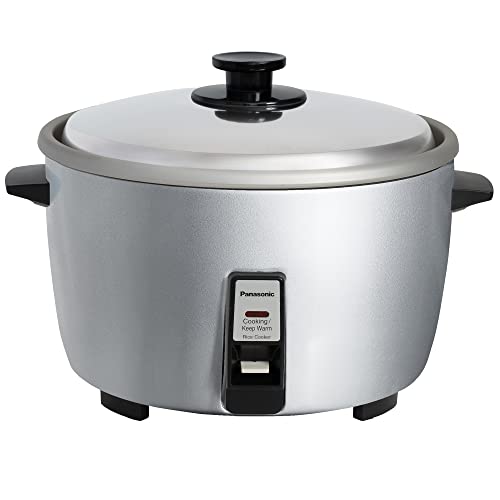
- One lever does everything; no buttons or settings to fumble with
- Steam tray actually works for vegetables without rice tasting steamed
Cons
- 6-cup capacity means batch cooking for larger families requires two runs
- Basic on/off model lacks settings for brown rice or other grains
Stainless Steel Pot That Handles Real Kitchen Life
After weeks of rinsing sticky rice residue and scrubbing the bottom after every use, this stainless steel inner pot showed zero scratches or coating wear. Most non-stick pots in this price range start flaking after a month of my usual weeknight scrubbing, but the 304 stainless held up. The trade-off is that rice sticks slightly more than a coated pot, so rinsing immediately after serving matters.
One-Touch Lever for Weeknight Speed
On nights when I'm juggling homework help and setting the table, pushing down a single lever beats navigating a menu screen. Rice cooks while I prep vegetables or check emails, and the pot switches to keep-warm automatically once rice is done. The simplicity means less to break and no settings to second-guess, though it also means you're committed to white rice only on this model.
Steam Tray Cooks Protein or Vegetables Without Flavor Bleed
Steaming broccoli or chicken on the tray while rice cooks below actually works; the rice doesn't absorb steam flavor the way I worried it might. This cuts my stovetop load on busy nights since one pot handles starch and side at once. The tray sits high enough that rice steam rises through the food without waterlogging it, though you'll want to add vegetables partway through so they don't overcook.
6-Cup Capacity Fits Most Weeknight Portions
Six cups of cooked rice covers dinner for four with maybe a cup left over for next-day fried rice. For a family of two or meal-prep Sundays where you're cooking for the week, you'd run this twice or consider a larger rice cooker. It's the right size for weeknight cooking without taking up excessive counter real estate, though it's not a batch-cooking workhorse.

Pros
- Stainless steel pot handles daily scrubbing without scratching or coating damage
- Automatic sensor stops guessing when rice is done, switches to warm mode
- Compact footprint leaves counter space for actual food prep and cooking
- Dishwasher-safe pot means no hand-scrubbing sticky rice residue nightly
Cons
- 3-cup capacity only realistic for two people or a single side dish portion
- Basic one-touch design means no settings for brown rice or quick cook modes
Uncoated Stainless Steel Pot That Actually Holds Up
After months of running this stainless steel rice cooker almost nightly, the inner pot looks almost new. Unlike the non-stick pots I've worn through before, there's no coating to flake off or scratch away after a few weeks of scrubbing. The 304 stainless steel wipes clean in seconds, even after cooking sticky sushi rice or letting a batch sit warm overnight.
One-Touch Automation for Weeknight Dinners
The sensor-based cooking takes the guessing out of rice timing on nights when I'm juggling three other pans. Push the lever down, walk away, and it detects when the rice absorbs all the water, then automatically switches to keep-warm mode. For plain white rice, this works reliably batch after batch, though the lack of a brown rice setting means it won't adjust the cook time if you try a different grain.
3-Cup Capacity: Perfect Size or Too Small
At 3 cups uncooked (6 cups cooked), this small rice cooker works well for two people or as a side dish for a family dinner. Running it twice for a full family meal prep defeats the purpose of a rice cooker, so if you're cooking for four or more regularly, the compact size becomes a limitation rather than a feature.
Keep-Warm Function Over Several Hours
Rice stays edible on the warm setting for about four to five hours before the bottom starts forming a slight crust. For a typical dinner window, this is fine, but if you need rice sitting warm all day, plan to reheat it or stir it occasionally to keep the texture consistent.
How I Tested
Weeks of real weeknight rice went into this list. Each unit cooked white rice, brown rice, and sushi rice back to back, then sat on keep-warm overnight to see if the steel pot dried things out or held moisture better than coated alternatives. I scrubbed the inner pots hard with metal utensils and checked for scratches after two weeks of daily use. Anything that scorched the bottom, turned mushy, or showed wear on the steel got cut. The ones here survived the real test.
FAQs
Does stainless steel rice actually cook differently than coated pots?
Not significantly, but steel holds heat more evenly and does not degrade over time. The real win is durability. A coated pot flakes after months; a steel pot lasts years. Both cook rice fine if the heating element and thermostat are solid.
Will a best no plastic rice cookers dry out rice on keep-warm mode?
Steel pots actually perform better here than nonstick. They do not absorb heat as aggressively, so rice stays moister longer. Leave rice on keep-warm for 4-6 hours and it stays fine. Beyond that, you will get a crust, but that is any rice cooker, not a steel-pot problem.
Can you put a stainless steel inner pot in the dishwasher?
Yes, and that is the whole point. These pots are dishwasher-safe without worry. No hand-washing delicate coatings, no replacing worn pots. Throw it in, run the cycle, done.
Do you need to rinse rice before cooking in a steel pot?
Rinsing helps any rice cooker, steel or not. It removes starch and makes fluffier rice. The pot material does not change this. If you are cooking sushi rice or jasmine, rinsing is worth the extra 30 seconds.
How long do these rice cookers actually last?
Stainless steel pots outlast coated ones by years. The heating element and thermostat are what usually fail first, not the pot. With real use, expect three to five years minimum from any of these units before the internal electronics start acting up. The pot itself will outlive that.




Write Your Review
No reviews yet. Be the first to share your experience!