

Try Amazon Prime free for 30 days
Fast free delivery on heavy items, plus Prime Video, Prime Music and member-only deal prices.
Pressure washing vinyl siding can make your home look cleaner in a short amount of time. It removes dirt, pollen, mildew, algae, and light stains from the exterior surface. But vinyl siding also needs the right technique. Too much pressure, the wrong nozzle, or spraying upward can push water behind the panels and cause problems later.
The goal is simple: use enough pressure to clean the siding, but not so much that you damage the panels, loosen seams, or force water into places it should not go.
Can You Pressure Wash Vinyl Siding?
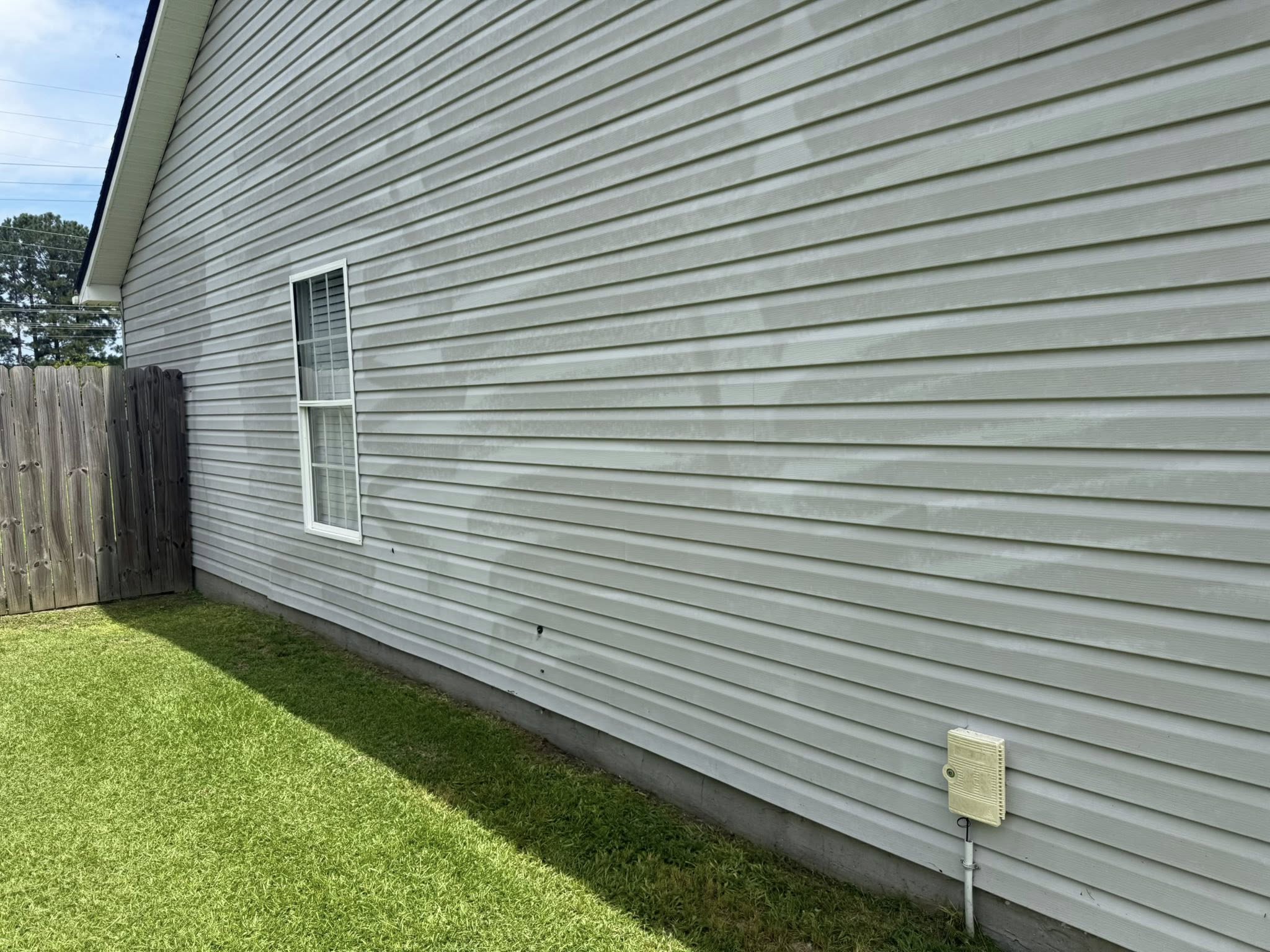 Yes, you can pressure wash vinyl siding, but you need to do it carefully. Vinyl is durable, but it is not the same as concrete or brick. A strong jet of water can crack older panels, leave marks, or drive water behind the siding.
Before you start, check the siding manufacturer’s cleaning instructions if possible. Some brands may have specific limits for PSI, cleaners, or washing methods.
Best PSI for Pressure Washing Vinyl Siding
For most vinyl siding, a low to moderate pressure setting is best. Many homeowners can clean siding effectively around 1,300 to 2,000 PSI, depending on the condition of the siding and the distance from the surface.
Start with the lowest effective pressure and increase only if needed. If the siding is old, brittle, loose, or already damaged, use extra caution or clean it by hand with a soft brush instead.
| Surface Condition | Recommended Approach |
|---|---|
| Light dirt or pollen | Low pressure with water only |
| Mildew or algae | Low pressure plus siding-safe cleaner |
| Old or brittle siding | Soft brush or very low pressure |
| Loose or cracked panels | Repair before washing |
Best Nozzle for Vinyl Siding
A wide fan nozzle is the safest choice for vinyl siding. A 25-degree or 40-degree nozzle works well for most siding jobs. The wider spray spreads the pressure over a larger area, reducing the risk of damage.
Avoid using a 0-degree nozzle on vinyl siding. It creates a narrow, concentrated stream that can cut into surfaces, damage panels, and force water behind the siding.
What You Need
- Pressure washer with adjustable pressure
- 25-degree or 40-degree nozzle
- Siding-safe cleaner
- Garden hose
- Soft brush for stubborn spots
- Safety glasses
- Gloves
- Plastic sheeting for plants or outlets if needed
How to Pressure Wash Vinyl Siding
Step 1: Inspect the Siding First
Walk around the house and look for loose panels, cracks, gaps, damaged trim, open vents, and weak caulking around windows or doors. Fix obvious damage before washing.
Also cover outdoor outlets, light fixtures, and delicate plants near the cleaning area.
Step 2: Rinse the Siding
Start by rinsing loose dirt from the siding with plain water. Keep the nozzle at a safe distance from the wall and use a wide spray pattern.
Do not stand too close to the siding. If the spray feels aggressive or leaves marks, move farther back or reduce the pressure.
Step 3: Apply Cleaner from Bottom to Top
Apply a vinyl siding-safe cleaner in small sections. Working from bottom to top helps reduce streaking and gives the cleaner time to loosen grime.
Do not let the cleaner dry on the siding. On hot or sunny days, work in smaller sections so you can rinse before the solution dries.
Step 4: Scrub Tough Areas Gently
If you see mildew, algae, or stubborn dirt, use a soft brush instead of increasing the pressure too much. Gentle brushing is safer than blasting one spot with a narrow nozzle.
Step 5: Rinse from Top to Bottom
After the cleaner has had time to work, rinse from top to bottom. This helps wash dirt and soap down the wall instead of leaving streaks.
Keep the spray pointed straight at the siding or slightly downward. Do not spray upward under the laps, seams, vents, or trim.
Step 6: Check for Missed Spots
After rinsing, step back and look for remaining dirt or streaks. Re-clean small areas if needed, but avoid repeatedly blasting the same spot with high pressure.
Important Safety Tips
- Never spray upward under vinyl siding panels.
- Avoid spraying directly into vents, outlets, light fixtures, and window seals.
- Do not use a 0-degree nozzle.
- Keep the nozzle moving instead of holding it in one spot.
- Use a ladder carefully, or use an extension wand for higher areas.
- Test a small hidden area before washing the full wall.
- Do not use harsh cleaners that are not safe for vinyl siding.
Common Mistakes to Avoid
Using Too Much Pressure
More pressure does not always mean better cleaning. High pressure can damage siding, especially if the panels are older or already loose.
Spraying Upward
Spraying upward can force water behind the siding. This is one of the biggest mistakes homeowners make when pressure washing vinyl siding.
Using the Wrong Cleaner
Use a cleaner that is safe for vinyl siding and compatible with your pressure washer. Avoid harsh chemicals that can stain, fade, or damage the surface.
Letting Cleaner Dry
If cleaner dries on the siding, it can leave streaks or residue. Work in sections and rinse before the surface dries.
How Often Should You Pressure Wash Vinyl Siding?
Most homes only need vinyl siding cleaned once a year or when dirt, mildew, or algae becomes noticeable. Homes near trees, shade, dust, or humid areas may need cleaning more often.
If the siding only has light dirt, a garden hose and soft brush may be enough. You do not need to pressure wash every time.
Should You Use Hot Water?
Cold water is usually enough for vinyl siding. Hot water is not necessary for most siding jobs and may not be recommended for some vinyl materials. A safe cleaner, light pressure, and proper rinsing matter more than heat.
Final Thoughts
Pressure washing vinyl siding is safe when you use the right pressure, a wide nozzle, and a careful spray angle. Start low, keep the nozzle moving, and avoid spraying upward into seams or gaps.
If your siding is old, cracked, loose, or heavily stained, clean a small test area first. When in doubt, use a soft brush or hire a professional instead of risking damage.
FAQs About Pressure Washing Vinyl Siding
Is it safe to pressure wash vinyl siding?
Yes, it is safe if you use low to moderate pressure, a wide fan nozzle, and avoid spraying upward under the siding panels.
What PSI should I use for vinyl siding?
Many vinyl siding jobs can be done around 1,300 to 2,000 PSI. Start lower and increase only if needed.
What nozzle should I use on vinyl siding?
A 25-degree or 40-degree nozzle is best for most vinyl siding. Avoid 0-degree nozzles because they are too concentrated.
Should I pressure wash vinyl siding from top to bottom?
Apply cleaner from bottom to top to reduce streaking, then rinse from top to bottom to wash dirt and soap away.
Can pressure washing damage vinyl siding?
Yes. Too much pressure, a narrow nozzle, or spraying upward can crack panels, loosen siding, or push water behind the wall.

Write Your Review
No reviews yet. Be the first to share your experience!